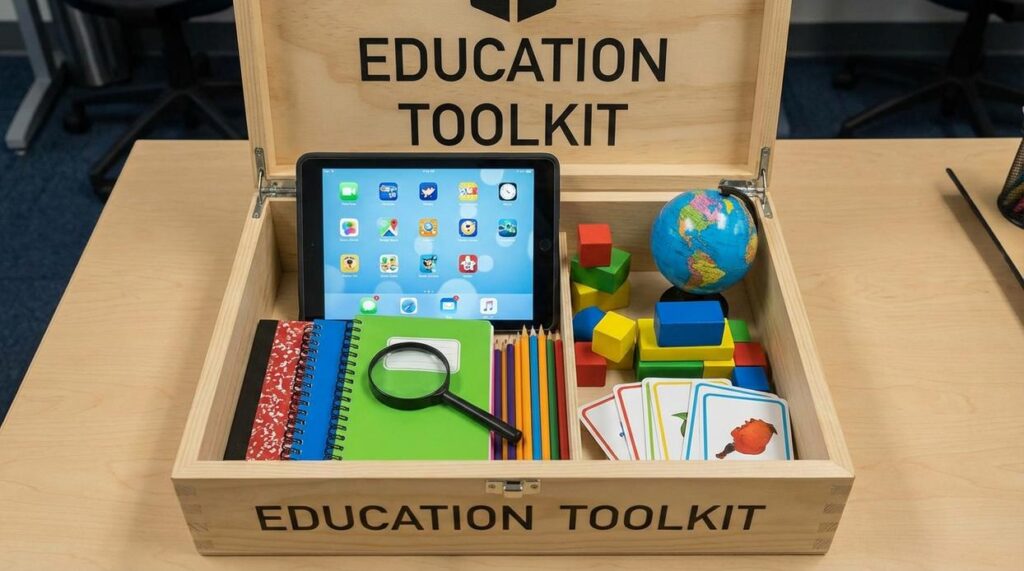

Traveling the world as a family sounds magical — but making it work day to day is a different story. If you’re searching for practical ways to balance adventure with consistency, this guide is designed for you. We’ll explore travel-friendly parenting basics, smart child development strategies, and realistic routines that help families thrive on the move. Most importantly, we’ll address how to create stability for kids in nomadic lifestyle situations without sacrificing the freedom that inspired you to travel in the first place.
Many parents worry about disrupted schedules, social development, and emotional security while living on the road. This article breaks down proven, experience-backed approaches that help children feel grounded no matter the destination. Drawing on established child development research and real-world nomadic family practices, you’ll gain practical, adaptable tools to support learning, connection, and structure wherever your journey leads.
A World Classroom: Your Blueprint for Nomadic Family Success
At first glance, trading a classroom for cobblestone streets and ocean air can feel risky. After all, won’t constant motion create gaps? Yet research shows homeschooled and travel-educated children often perform as well as or better than peers academically (NHERI). The key is structure. Create daily learning rhythms—morning math at a sunlit café, reading practice to the hush of a mountain breeze. Meanwhile, community grows through local clubs, language exchanges, and sports meetups. Stability for kids in nomadic lifestyle comes from predictable routines, not fixed addresses. In other words, consistency is a feeling—warm, steady, and intentionally built.
Crafting a Consistent and Engaging Educational Journey
I’ll start with a confession: the first time we tried algebra in a camper van parked near the Pacific, it did not go well. My child was distracted by crashing waves; I was distracted by the Wi-Fi signal blinking like it was in a horror movie. That’s when I realized worldschooling isn’t about copying a classroom on wheels—it’s about designing something better.
The Hybrid “Worldschooling” Model
Worldschooling blends structured academics with location-based learning. Think of it as homeschool meets field trip—permanently.
For core subjects like math and language arts, an accredited online program provides backbone and accountability. Accreditation simply means the program meets recognized academic standards, which can ease transitions back to traditional schools (pro tip: confirm regional accreditation, not just platform reviews).
Some critics argue that too much flexibility leads to gaps in learning. That can happen. But structure and freedom aren’t opposites—they’re dance partners. We schedule math four mornings a week, rain or shine. Afternoons? That’s where geography becomes real.
Project-Based Learning on the Go
Project-based learning means students explore a topic deeply through hands-on experience rather than worksheets alone. Studying marine biology while living near the coast turns tide pools into living textbooks. Visiting ancient ruins transforms history from memorization into memory.
When we stayed in Mexico for a month, my child practiced Spanish daily with local shopkeepers. Vocabulary stuck faster than any flashcard app (and yes, the bakery became our unofficial language lab).
Skeptics say travel distracts from rigor. I’d argue the opposite. When a child calculates currency exchange rates before buying a souvenir, that’s applied math. When they journal about cultural differences, that’s language arts with heart.
Essential Tools for the Traveling Student
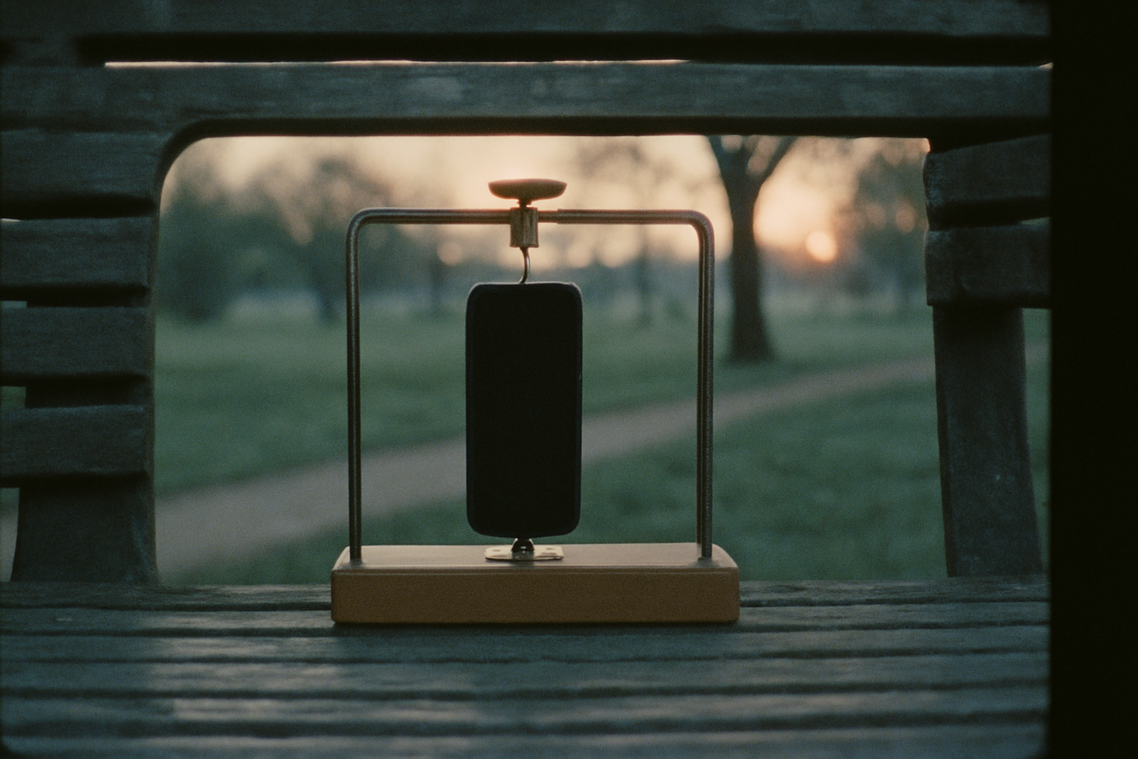
A simple checklist keeps chaos at bay:
- Durable tablet or e-reader with protective case
- Offline educational apps for low-connectivity days
- Physical workbooks for screen-free focus
- Compact keyboard and headphones
- A sturdy binder for printed materials
Low-tech backups matter more than you think (especially during surprise power outages).
Tracking Progress and Maintaining Records
We keep a digital and physical portfolio: writing samples, photos of projects, reading logs, and quarterly reflections. A portfolio is simply a curated collection of student work showing growth over time.
This record-keeping supports stability for kids in nomadic lifestyle and provides documentation if re-entering traditional school becomes necessary.
Travel changes the classroom walls—but consistency, reflection, and intention keep learning grounded.
Building a Strong Social Foundation, Anywhere in the World
Have you ever wondered how your children will build real friendships when “home” changes every few months? Or worried that constant movement might leave them feeling untethered? The truth is, connection on the road doesn’t happen by accident—it’s built with intention.
Finding Your Tribe on the Road
First, look for families walking a similar path. Dedicated apps like Tinybeans and Travel Mates, along with niche Facebook or WhatsApp groups, make it easier than ever to meet other traveling parents. These platforms act as digital campfires—places where stories, meetups, and advice are shared in real time. A quick post like, “Anyone in Lisbon this month?” can turn into a park playdate by Friday. (Yes, it can be that simple.)
Still skeptical about online connections? That’s fair. Not every interaction turns into a lifelong friendship. However, even short-term bonds teach children how to introduce themselves, navigate differences, and say meaningful goodbyes—essential life skills.
Leveraging Local Communities
Next, plug into local life. Enroll your child in a short-term football club, art workshop, or music class. Even a four-week commitment creates repeated exposure—the key ingredient for friendship, according to developmental psychology research (Rubin et al., 2015). When kids see the same peers weekly, familiarity turns into comfort.
Of course, some argue that short stays aren’t worth the effort. But isn’t any authentic interaction better than isolation?
The Importance of Slow Travel
This is where slow travel matters. Staying 1–3 months allows relationships to deepen beyond small talk. It also supports stability for kids in nomadic lifestyle, offering routine and predictability in unfamiliar places.
Nurturing Sibling and Family Bonds
Finally, look inward. With fewer external peers, siblings often become best friends—and occasional rivals (normal, by the way). Create dedicated family rituals: weekly game nights, shared journaling, or cooking local dishes together.
And if you’re balancing education on the road, explore designing flexible homeschool schedules for traveling families to maintain rhythm while leaving room for connection.
After all, isn’t belonging less about geography—and more about who you share it with?
The Power of Routine in a Life of Change
Constant movement can feel exciting—but for kids, it can also feel like the ground keeps shifting. That’s where routine becomes your secret weapon. Predictable rhythms create stability for kids in nomadic lifestyle families, giving them something solid to hold onto (even if their bedroom view changes weekly).
Anchor Points in the Day
Non-negotiable rituals act like emotional seatbelts:
- Morning learning blocks
- Afternoon quiet time
- Evening read-alouds
Because these happen no matter the zip code, children relax faster and transition smoother. In fact, consistent routines are linked to better emotional regulation and sleep quality (American Academy of Pediatrics).
Creating a “Mobile Home” Feel
Next, recreate familiarity fast:
- Set up a small learning corner first
- Unpack favorite toys
- Cook one familiar meal
It’s the parenting version of “home is where the heart is.”
Balancing Structure and Spontaneity
Plan anchor days for learning and social time—then leave room for spontaneous adventures. Structure builds security; spontaneity builds curiosity. Together, they create confident, adaptable kids.
Building Your Nomadic Foundation
Think of your family life like a sailboat, not an anchor. A boat doesn’t stay safe because it never moves; it stays safe because its ropes, sails, and crew work in rhythm. Consistency becomes your rigging. Through deliberate routines, a hybrid education plan, and proactive community building, you create stability for kids in nomadic lifestyle without needing a fixed address.
The fear of your child “missing out” fades when you see each destination as a living classroom. Start small: implement one anchor routine this week and research one activity for your next stop. (Momentum loves beginnings.)
Building a Thriving Nomadic Family Life
You came here looking for practical ways to raise confident, well-adjusted children while living life on the move. Now you have clear strategies to create routines, support emotional growth, and maintain stability for kids in nomadic lifestyle without sacrificing adventure.
The biggest fear for traveling parents isn’t the logistics — it’s whether constant change will disrupt their child’s sense of security. But with intentional routines, consistent connection, and thoughtful planning, mobility can become a strength instead of a stressor.
The key is taking action. Start by establishing one predictable daily ritual, create a flexible learning rhythm, and prioritize meaningful family check-ins wherever you are. Small, consistent steps make the biggest difference.
If you’re ready to make travel life smoother, more structured, and deeply enriching for your children, explore our trusted parenting-on-the-go resources today. Thousands of traveling families rely on our proven tips to reduce overwhelm and build confident, adaptable kids. Start now and turn your next destination into a foundation for growth.
 Child Development & Nomadic Lifestyle Advisor
There is a specific skill involved in explaining something clearly — one that is completely separate from actually knowing the subject. Madeleine Klecknerona has both. They has spent years working with helpful reads in a hands-on capacity, and an equal amount of time figuring out how to translate that experience into writing that people with different backgrounds can actually absorb and use.
Madeleine tends to approach complex subjects — Helpful Reads, Daily Parenting Highlights, Child Development Strategies being good examples — by starting with what the reader already knows, then building outward from there rather than dropping them in the deep end. It sounds like a small thing. In practice it makes a significant difference in whether someone finishes the article or abandons it halfway through. They is also good at knowing when to stop — a surprisingly underrated skill. Some writers bury useful information under so many caveats and qualifications that the point disappears. Madeleine knows where the point is and gets there without too many detours.
The practical effect of all this is that people who read Madeleine's work tend to come away actually capable of doing something with it. Not just vaguely informed — actually capable. For a writer working in helpful reads, that is probably the best possible outcome, and it's the standard Madeleine holds they's own work to.
Child Development & Nomadic Lifestyle Advisor
There is a specific skill involved in explaining something clearly — one that is completely separate from actually knowing the subject. Madeleine Klecknerona has both. They has spent years working with helpful reads in a hands-on capacity, and an equal amount of time figuring out how to translate that experience into writing that people with different backgrounds can actually absorb and use.
Madeleine tends to approach complex subjects — Helpful Reads, Daily Parenting Highlights, Child Development Strategies being good examples — by starting with what the reader already knows, then building outward from there rather than dropping them in the deep end. It sounds like a small thing. In practice it makes a significant difference in whether someone finishes the article or abandons it halfway through. They is also good at knowing when to stop — a surprisingly underrated skill. Some writers bury useful information under so many caveats and qualifications that the point disappears. Madeleine knows where the point is and gets there without too many detours.
The practical effect of all this is that people who read Madeleine's work tend to come away actually capable of doing something with it. Not just vaguely informed — actually capable. For a writer working in helpful reads, that is probably the best possible outcome, and it's the standard Madeleine holds they's own work to.