
Planning a family trip brings a mix of pure excitement and quiet anxiety. You picture unforgettable memories, new experiences, and shared laughter—but safety concerns can quickly creep in and overshadow the joy. Every parent wants adventure without unnecessary risk. This guide is designed to ease that tension. Inside, you’ll find a comprehensive, practical checklist that walks you through each stage of your journey, from early planning to your safe return home. These travel safety tips for families are grounded in real-world travel experience, giving you clear, confidence-building steps so you can focus less on worry and more on making meaningful memories together.
Medical Preparedness: Start by building a child-specific first-aid kit. Include weight-appropriate pain relievers, antihistamines for allergies, adhesive bandages in multiple sizes, antiseptic wipes, digital thermometer, and any prescription medications. For example, if your child is prone to motion sickness, pack pediatrician-approved remedies before boarding a long flight. Next, schedule a pre-trip visit with your pediatrician to discuss destination-specific vaccines or health risks; the CDC recommends tailored travel consultations for international trips. Pro tip: keep medications in original containers to avoid airport confusion.
Documentation and Identification: Before you leave, scan passports, birth certificates, insurance cards, and consent letters, then store encrypted copies in the cloud and on your phone. Additionally, pack printed duplicates in a separate bag. For non-verbal children, consider ID bracelets or temporary tattoos displaying a parent’s phone number; this simple step can speed reunification in crowded spaces like theme parks.
Accommodation Safety Check: As you book, confirm pool fences, window guards, secure balcony locks, and cribs that meet current safety standards. Once you arrive, do a five-minute sweep: test smoke detectors, locate exits, and move breakables. Bring portable outlet covers, a door wedge, and a compact nightlight to make unfamiliar rooms safer. These practical steps turn general travel safety tips for families into real-world action you can implement immediately, giving you confidence before you even unpack. Remember accidents happen quickly, but preparation buys precious time and peace of mind, whether you are road-tripping across states or flying overseas with toddlers in tow. Plan ahead and stay flexible. Always.
On the Move: Safety in Transit
Travel days can feel like an Olympic sport for parents. You’re juggling snacks, boarding passes, bathroom breaks—and a toddler who suddenly forgets how to walk. Let’s talk about making it safer (and slightly less stressful).
Air Travel Safety
Yes, it’s tempting to hold your toddler on your lap to save money. But the FAA strongly recommends using an FAA-approved car seat on planes because turbulence can cause serious injuries to unrestrained children (FAA). An approved seat means it’s certified for aircraft use. Check the label before you fly.
Busy airports are another headache. Create a simple rule: one hand on the stroller at all times. No exceptions. Prep kids for security by explaining the process in advance—shoes off, bag on the belt, quick body scan. When they know what’s coming, anxiety drops (and so do meltdowns).
Pro tip: Board early to install the seat without side-eyes from impatient passengers.
Road Trip Security
Improper car seat installation is a leading safety risk; the NHTSA reports many seats are installed incorrectly. Double-check tightness and harness position before every trip. Pre-trip checks matter.
Never leave a child unattended in a vehicle—even for “just a minute.” Heatstroke can happen fast (CDC). Plan frequent stops to fight driver fatigue and let kids reset.
Public Transportation Awareness
Crowded stations are overwhelming. Teach kids to hold hands and identify a uniformed employee if separated. Practice a clear plan beforehand.
Awareness beats assumption.
If you’re overwhelmed organizing gear, review packing smart essential travel gear for parents with kids.
These travel safety tips for families aren’t about paranoia—they’re about preparation. And preparation makes the journey smoother for everyone.
At Your Destination: Staying Alert and Aware
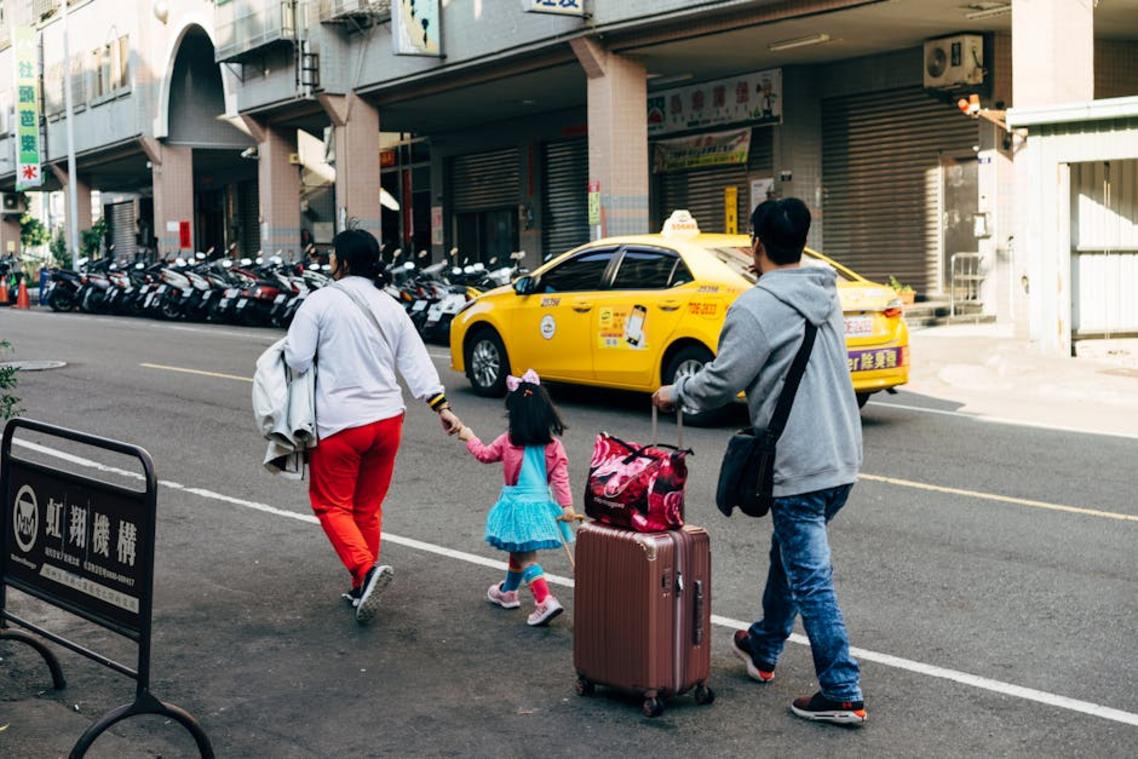
Arriving should feel like the exhale moment. But seasoned traveling parents know the real work starts here (yes, even at the “happiest place on earth”).
Crowd & Environment Safety
In busy spaces—theme parks, markets, festivals—use the Safe Spot Strategy. A Safe Spot is a pre-chosen, highly visible meeting point if anyone gets separated. Think: a giant ferris wheel, a bright customer service desk, or the main entrance fountain. Not “near the snacks.” Specific beats vague every time.
Teach kids how to identify a safe helper: a uniformed police officer, a store employee with a name tag, or another parent with children. Some argue kids are too young to remember this. Research on child preparedness shows rehearsal improves recall under stress (American Academy of Pediatrics). Practice it like a fire drill—CALM, CLEAR, REPEAT.
Water Safety Protocols
Near pools, lakes, or beaches, use touch supervision—staying within arm’s reach of young children at all times. Drowning is quick and silent (CDC). Floaties and pool noodles are toys, not life-saving flotation devices. U.S. Coast Guard–approved life vests are.
On arrival, check pool gates latch properly and drains are covered. Few guides mention inspecting drains, yet suction hazards remain a real risk (CPSC).
Food & Health Precautions
To avoid foodborne illness, choose bottled water and well-cooked foods (WHO guidance). For allergies, carry translated allergy cards and pack safe backup snacks. Some say this is overkill. Until you’re decoding a menu in another language.
Smart preparation isn’t paranoia—it’s practical travel safety tips for families done right.
Creating Safe and Lasting Memories
Family travel doesn’t require eliminating every possible risk—it requires preparation. When you plan ahead, you give your family the freedom to relax, explore, and truly enjoy the experience. The real challenge has never been the journey itself, but the fear of the unknown that can stop families from taking that first step. With the right map in hand, those fears become manageable.
By focusing on travel safety tips for families before you leave, staying aware in transit, and creating smart routines at your destination, you build a strong foundation for a smooth and secure trip. Preparation transforms uncertainty into confidence.
You set out wanting peace of mind and practical guidance. Now you have a framework to make that happen.
Use it to plan your next adventure with clarity and calm. Start preparing today so your next family trip is filled with laughter, connection, and lasting memories—not anxiety.