Traveling with kids sounds like a dream until you’re in the air and your toddler starts crying. We’ve all been there, right? I’ve spent years on the road with my family, figuring out what truly works.
What if I told you it’s possible to transform those trips from stressful to enjoyable? This article promises practical solutions learned from real nomadic family experiences. You’ll find everything you need, from pre-trip mindset adjustments to establishing comforting routines in new places.
Think of it as your go-to guide (like the parenting books for travelers you wish existed) to making family travel stress-free.
Shift Your Mindset: Family Travel 101
Before you even think about packing, let’s talk about mindset. Traveling with kids is not a pre-kids vacation. It’s an adventure in chaos and joy.
You have to shift from the “we’ll see it all” mentality to “we’ll see some of it, and that’s okay.” Your pace will slow (deliberately). But isn’t that the point?
Managing expectations means embracing the beautiful messiness of family trips. What do you really want out of this trip? Spoiler: It’s not exhaustion from over-scheduling.
Plan one anchor activity each day. Something everyone can look forward to. Keep those backup options handy.
A local park or playground can save the day when (not if) things go off script.
Involving the kids in planning is key. For toddlers, it’s as simple as picking their travel snacks. Older kids?
Let them research one activity. It builds excitement and cuts down on travel anxiety (theirs and yours).
Now, about that “flexible itinerary.” It’s not just a buzzword. It’s your secret weapon. Stick to one major plan daily.
Fill in the gaps with easy local spots. This keeps everyone happy. And sane.
When booking, think practically. A kitchenette is golden for quick meals. A separate sleeping area for parents is a must.
Proximity to grocery stores and parks is just smart.
For more on making family travel smoother, check out these guidebooks for family travel easier. They’re packed with tips for juggling parenting and wanderlust. Let’s face it, any help is welcome.
Mastering the Journey: The Go-Bag and Beyond
Traveling with kids? It’s not for the faint-hearted. But with the right Go-Bag, you’re halfway there.
Entertainment is a lifesaver. Slip in something new as a surprise. And don’t overlook comfort.
Snacks? Bring more than you think you need. Trust me, hunger hits when you least expect it.
A blanket from home can be a game-changer. Cleanup? Wipes and a change of clothes for everyone (yes, even you) are non-negotiable.
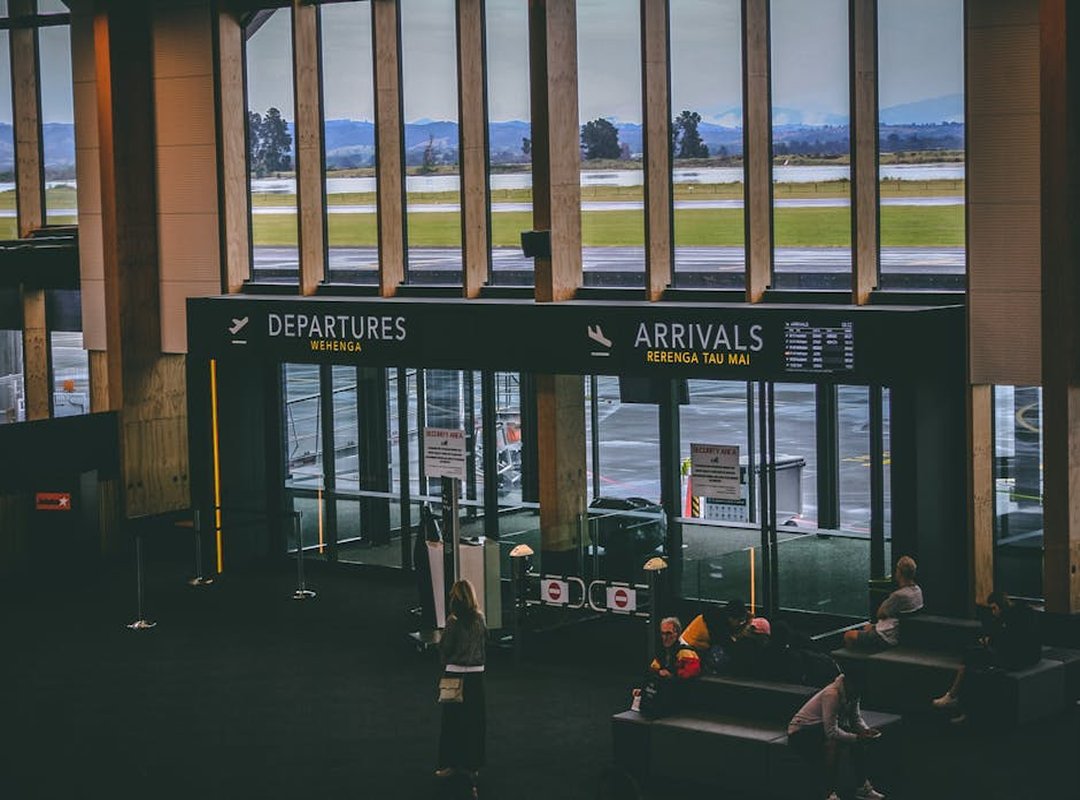
Now, the airport. Talk to your kids about security beforehand. Make it an adventure.
Family boarding is a godsend, so use it wisely. Once on the plane, settle in fast. Kids love routine, so establish one quickly.
Screen-time isn’t evil. Use it smartly. Download fresh content before the trip.
The “when/then” model works wonders. When we’re cruising, then you can watch your show. Clear boundaries keep everyone happy.
Common Transit Problems, Solved
Ear pressure during takeoff? Lollipops are your friend. Or a bottle.
Jet lag is a beast. Have a plan before you land. Delays are inevitable.
That surprise toy? It’s more than just a distraction. It’s a sanity saver.
If you’re looking for more tips, 11 books every parent needs to can provide great takeaways. These resources can be a treasure trove. Parenting books for travelers are often packed with advice from those who’ve been there.
Remember, you’re not alone. Many parents have navigated these skies before you. And with the right prep, you can too.
Thriving on Arrival: Building Routines in New Places
Let’s talk about anchor routines. Kids love predictability. It’s their comfort zone.
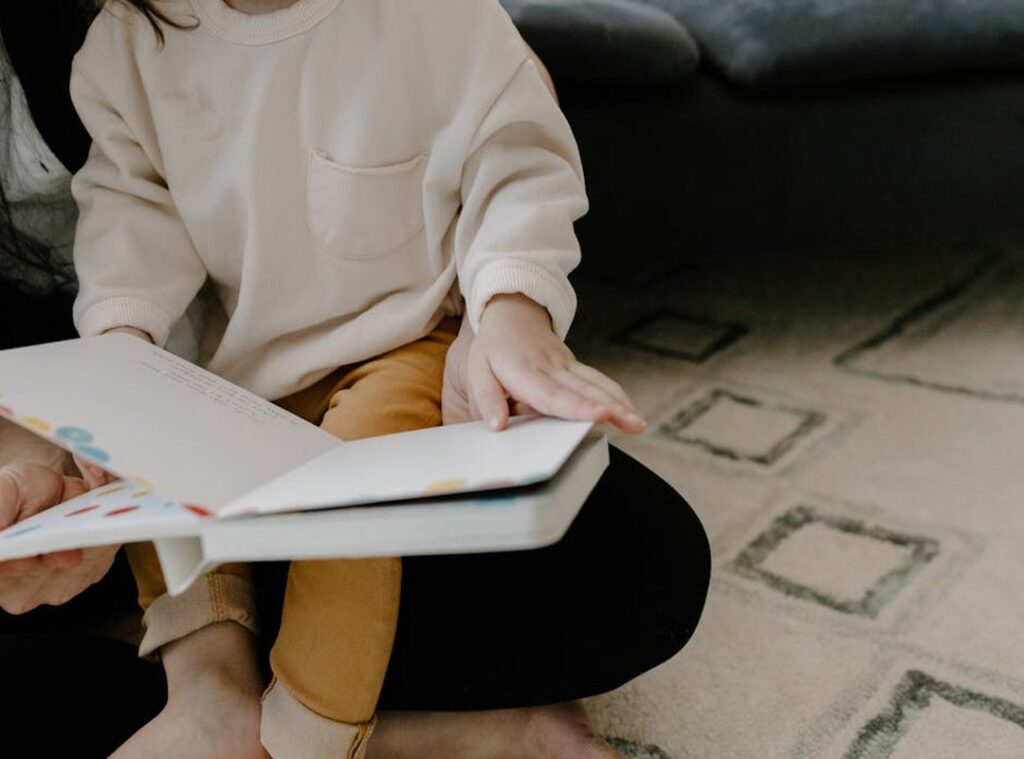
You can’t bring every piece of home with you, but you can recreate a few small routines wherever you go. Maybe it’s reading the same book before bed (even if it’s falling apart) or starting the day with their favorite song. These tiny rituals mean the world to them.
Now, mealtime. Stressful, right? Here’s a trick: the “one safe food” rule.
Always have something on their plate you know they’ll eat. It’s a sanity saver. And for heaven’s sake, visit a grocery store on day one.
Stock up on familiar, non-perishable snacks. Trust me, a granola bar from home can feel like a hug when everything else is unfamiliar.
Sleep is another beast. New places can mess with their sleep cycle. Make it dark and quiet.
Binder clips on curtains? Genius. A portable white noise machine or app?
Lifesaver. And don’t forget their pillowcase from home. That familiar scent can work wonders.
Sleep is precious (for them and for you).
Let’s not forget downtime. Schedule it. Seriously.
It’s not just about kids; adults need it too. Afternoons with no plans allow everyone to decompress. Avoid that sensory overload.
You’ll thank yourself when the meltdowns are minimal.
While on the move, consider audiobooks parents long trips. They keep kids entertained and calm, giving you a breather. We all know how rare those can be.
I’ve read countless parenting books for travelers. They all emphasize routine and predictability. It’s not just theory; it’s survival.
When you’re moving from place to place, these little routines can be the difference between chaos and calm. So, pack the essentials and those routines. They’re your secret weapon.
Smart Packing: Gear That Matters
Forget packing for every possibility. It’s a myth. You don’t need half the stuff in your suitcase.
Embrace a minimalist approach. Focus on versatile items that actually make a difference. Less to carry, less to manage.
Why lug that portable high chair when a muslin swaddle can double as a blanket, sunshade, and nursing cover?
Here’s a pro tip: solid toiletries are a game-changer. No spills, lighter load. Collapsible water bottles save space and keep you hydrated.
I learned the hard way on a road trip when my bag was a moving disaster. But not anymore.
Let’s talk clothes. Ever heard of the ‘Rule of Three’? It’s simple: pack three tops for every bottom.
Layering is your friend. Plan to do laundry once if your trip is over a week. Saves space, saves sanity.
Trust me.
Now, the big-ticket gear: travel strollers, car seats, carriers. Should you bring them or rent? It depends on your trip.
City breaks? Renting is often less hassle. Road trips?
Your own gear is a better fit. We all have our parenting books for travelers but nothing beats hands-on experience.
To wrap up, packing smart is less about what you think you need and more about knowing what you can do without. It’s liberating. You’ll never go back to overpacking once you see how easy travel can be with the right gear.
The world’s out there. Travel light, travel smart.
Embrace the Adventure
Traveling with kids can feel like a daunting task. You’re not alone if the idea seems more trouble than it’s worth. But here’s the thing: with the right mindset and a few solid strategies, family travel isn’t just manageable; it’s rewarding.
You’ve got the tools now. Those travel-friendly parenting guides have set you up for success. So stop worrying about the ‘what-ifs.’ Dive into planning your next adventure.
You’ve got everything you need to make it amazing. Need help? Check out those parenting books for travelers.
They’re the #1 rated resource. Start your journey today.
 Child Development & Nomadic Lifestyle Advisor
There is a specific skill involved in explaining something clearly — one that is completely separate from actually knowing the subject. Madeleine Klecknerona has both. They has spent years working with helpful reads in a hands-on capacity, and an equal amount of time figuring out how to translate that experience into writing that people with different backgrounds can actually absorb and use.
Madeleine tends to approach complex subjects — Helpful Reads, Daily Parenting Highlights, Child Development Strategies being good examples — by starting with what the reader already knows, then building outward from there rather than dropping them in the deep end. It sounds like a small thing. In practice it makes a significant difference in whether someone finishes the article or abandons it halfway through. They is also good at knowing when to stop — a surprisingly underrated skill. Some writers bury useful information under so many caveats and qualifications that the point disappears. Madeleine knows where the point is and gets there without too many detours.
The practical effect of all this is that people who read Madeleine's work tend to come away actually capable of doing something with it. Not just vaguely informed — actually capable. For a writer working in helpful reads, that is probably the best possible outcome, and it's the standard Madeleine holds they's own work to.
Child Development & Nomadic Lifestyle Advisor
There is a specific skill involved in explaining something clearly — one that is completely separate from actually knowing the subject. Madeleine Klecknerona has both. They has spent years working with helpful reads in a hands-on capacity, and an equal amount of time figuring out how to translate that experience into writing that people with different backgrounds can actually absorb and use.
Madeleine tends to approach complex subjects — Helpful Reads, Daily Parenting Highlights, Child Development Strategies being good examples — by starting with what the reader already knows, then building outward from there rather than dropping them in the deep end. It sounds like a small thing. In practice it makes a significant difference in whether someone finishes the article or abandons it halfway through. They is also good at knowing when to stop — a surprisingly underrated skill. Some writers bury useful information under so many caveats and qualifications that the point disappears. Madeleine knows where the point is and gets there without too many detours.
The practical effect of all this is that people who read Madeleine's work tend to come away actually capable of doing something with it. Not just vaguely informed — actually capable. For a writer working in helpful reads, that is probably the best possible outcome, and it's the standard Madeleine holds they's own work to.