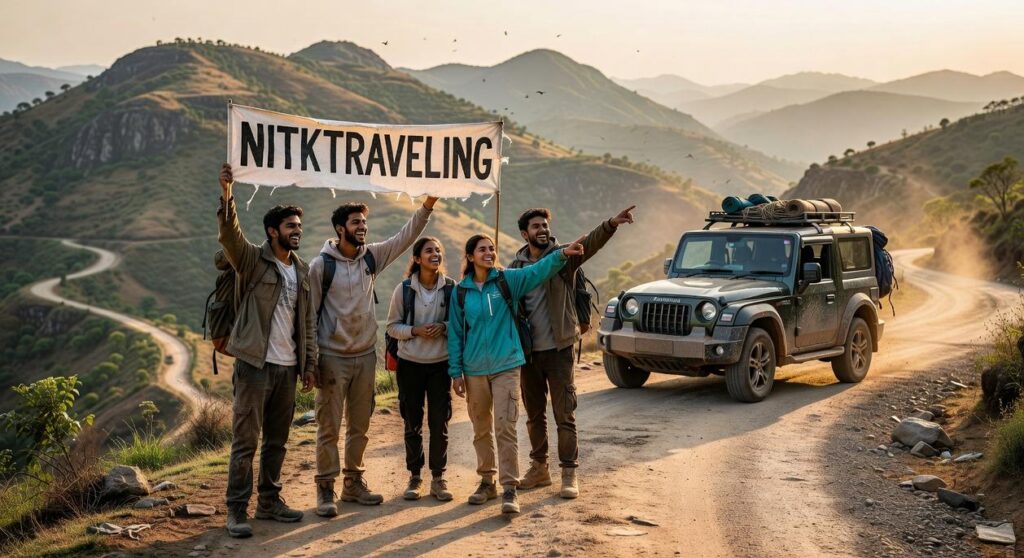
I remember the exact moment I realized my kids didn’t have to stop me from chasing adventure.
You’re probably here because you miss that rush of exploring somewhere new. But now you’ve got kids and it feels like those days are over until they’re in college.
They’re not.
Here’s what most parents don’t know: there are travel services built specifically for families who want real adventure. Not watered-down theme parks. Actual excursions that get your heart pumping while keeping your kids safe and engaged.
I’ve spent years figuring out how to make adventure travel work with children in tow. Through nitkatraveling, I’ve tested what works and what doesn’t when you’re trying to hike, explore, and experience the world with little ones.
This guide shows you how to find and book adventure travel services that actually understand families. I’ll walk you through vetting companies, spotting red flags, and choosing trips that match your family’s abilities.
You’ll learn which questions to ask before you book and how to tell if a company knows what they’re doing with kids.
Your adventurous life isn’t on pause. You just need the right approach.
Beyond the Resort Pool: Why Adventure Travel is Crucial for Child Development
Look, I love a good resort pool as much as the next parent.
There’s something beautiful about watching your kid splash around while you pretend to read a book (but really just scroll your phone).
But here’s what nobody tells you about those all-inclusive vacations. Your kid won’t remember the buffet. They won’t remember the pool shaped like a dolphin.
They’ll remember the time they thought they couldn’t make it up that trail. And then they did.
Building Resilience Through Real Challenges
I’m not talking about throwing your six-year-old into survival mode. I mean giving them chances to figure things out.
A kayak that won’t go straight. A hiking trail that’s longer than they expected. A meal that doesn’t come with chicken nuggets as an option.
These small moments? They stack up. Research from the American Psychological Association shows that children who face manageable challenges develop better coping skills than those who don’t (and honestly, you can see it in action).
When my kid figured out how to paddle in sync with me, something clicked. She realized she could do hard things.
The Memory Factor
Here’s the thing about core memories. They don’t come from routine.
Your brain is wired to remember novel experiences. That’s why you can recall that random Tuesday when you got lost in a new city but can’t remember last Thursday’s dinner.
Shared adventures create what psychologists call “peak moments.” Times when your family worked together to do something none of you had done before.
That’s the stuff that bonds you. Not another day by the pool (though again, pools are great).
Learning Without the Lecture
You know what’s better than reading about rainforests in a textbook? Standing in one.
This is what people in the Nitkatraveling community call world-schooling. Your kid learns geography by actually going places. They understand ecosystems by seeing them. They get cultural awareness by meeting people who live differently.
And the best part? They don’t even realize they’re learning. They’re just having an experience.
I’ve watched my daughter absorb more about tide pools in twenty minutes on a beach than she ever did from videos.
That’s not magic. That’s just how humans learn best.
Finding Your Perfect Guide: How to Choose a Family-Focused Adventure Travel Service
You want your kids to see the world.
But you also want them to come home in one piece.
I’ve talked to parents who booked what looked like the perfect family adventure only to find out their guide had zero experience with children. The itinerary was too aggressive. The safety protocols were nonexistent. And their eight-year-old spent half the trip exhausted and cranky.
Some people say kids are adaptable and any decent tour guide will work fine. They argue that you’re overthinking it and should just book the cheapest option.
Here’s what that misses.
Safety First: The Non-Negotiables
A good guide keeps everyone alive. A GREAT guide keeps your kids safe AND engaged.
Look for current wilderness first aid certification at minimum. Better yet, find guides with pediatric emergency training. It matters when your kid twists an ankle three miles from the trailhead.
Guide-to-guest ratios tell you everything. I won’t book anything worse than 1:6 for young children. You need eyes on your kids, especially near water or heights.
Ask about their emergency protocols. Not just “we have a plan” but actual details. How do they communicate with base camp? What’s their evacuation procedure? If they can’t answer quickly, walk away.
Age-Appropriate Itineraries
Your ten-year-old can’t handle the same pace as a teenager.
Good services at nitkatraveling break down trips by age ranges. You’ll see options for 5-8, 9-12, and teens. That’s not marketing. That’s understanding child development.
Check the daily mileage and elevation gain. Then cut that number in half for what your kid can actually handle without melting down.
Look for built-in flexibility. Weather happens. Moods happen. The best itineraries have backup plans.
What Makes a Kid-Friendly Guide Different
I’ve seen guides who are incredible with adults completely bomb with children.
The difference? A family guide knows how to turn a boring hike into a scavenger hunt. They carry extra snacks (always). They can explain why leaves change color in terms a six-year-old gets.
They’re patient when your kid needs the bathroom for the third time in an hour.
Reading Reviews the Smart Way
Skip the five-star ratings and read the three-star ones first. That’s where you find the truth.
Search for words like “patient” and “flexible” in family reviews. Those tell you the guide adapted when things went sideways.
Red flags? Reviews mentioning “rushed” or “didn’t slow down for the kids.” That’s your sign to keep looking.
Look for mentions of how guides handled tired children or unexpected weather. Those moments show you who they really are.
From Toddlers to Teens: Adventure Ideas for Every Stage
I remember the first time I tried planning an adventure with my kids.
My three-year-old wanted to climb everything. My ten-year-old rolled her eyes at anything that seemed “babyish.” And I stood there wondering how on earth I was supposed to make everyone happy.
Here’s what nobody tells you about family adventures. One size definitely doesn’t fit all.
Some parents say you should just pick activities you enjoy and bring the kids along. They’ll adapt, right? And sure, sometimes that works. Your toddler might surprise you on that five-mile hike.
But here’s the reality I’ve learned.
Pushing kids into adventures they’re not ready for? That’s how you end up with meltdowns, tears, and a family that never wants to leave the hotel again.
The better approach is matching the adventure to where your kids actually are. Not where you wish they were.
Ages 3-6: The Little Explorers
These years are all about sensory experiences without the pressure.
I’m talking guided nature walks where stopping to examine a weird bug is totally fine. Scavenger hunts where finding three pinecones counts as a win. Calm-water kayaking where you paddle for ten minutes and float for twenty.
Farm stays work great too. Kids this age love animals and getting their hands dirty (which they’ll do whether you plan for it or not).
Ages 7-12: The Budding Adventurers
This is when you can start teaching actual skills.
Introductory rock climbing with certified instructors gives them a challenge they can handle. Zip-lining courses let them feel brave without real danger. Snorkeling in protected coves opens up a whole new world.
The key here is structured adventure. They want to feel independent but they still need guardrails.
Ages 13+: The Thrill-Seekers
Teenagers need something that feels real.
Multi-day treks where they carry their own pack. White-water rafting on Class I-II rapids that get the adrenaline going. Surf lessons where wiping out is part of the fun.
At this stage, they’re looking for accomplishment. Something they can tell their friends about.
Want more specific guidance on How to Travel with Children Nitkatraveling style? I’ve got detailed breakdowns for every age group.
The truth is simple. Match the adventure to the kid, not the other way around.
The Smart Parent’s Checklist: Planning and Packing for the Wild
Your kid says they want to go hiking.
Two hours later, they’re complaining about their socks.
I’ve been there. Every parent who takes their kids into the backcountry has lived this exact moment.
Pre-Trip Preparation
Get your kids involved before you even leave the driveway. Pull up the trail map together. Let them pick one snack they want to bring. (Within reason. No, we’re not carrying a watermelon up Mount Rainier.)
Here’s what works: do a practice run at your local park first. I’m talking a real one where they wear the same pack and shoes they’ll use on the actual trip.
You’ll figure out real fast if those new boots are going to destroy their heels.
The Adventure-Ready Daypack
Pack high-energy snacks they actually like. Trail mix is great until your seven-year-old reminds you they hate raisins.
I always throw in a compact first-aid kit with blister pads and antibiotic ointment. And here’s the thing most nitkatraveling guides won’t tell you: bring a comfort item. That stuffed animal or favorite bandana can turn around a meltdown faster than any motivational speech.
Portable activities matter too. A small notebook or pocket-sized card game saves you during those rest stops.
Layering is Key
Dress them in layers. Start with a moisture-wicking base layer, add an insulating mid-layer, and top it with a waterproof shell.
Mountain weather changes fast. What starts as sunny can turn into sleet by lunch.
Keep extra socks in your pack. Wet feet equal miserable kids.
On-the-Go Parenting: Managing Meltdowns and Maximizing Fun
You know that moment when your kid goes from happy to full meltdown in about thirty seconds?
Yeah. I’ve been there too many times to count.
The thing is, most parenting advice tells you to just stay calm and ride it out. And sure, that works when you’re at home with backup snacks and their favorite stuffed animal within reach.
But when you’re on the road? Different story.
I learned something after watching my own kids hit the wall during travel days. The meltdowns weren’t random. They followed a pattern. And once I saw it, I could actually do something about it.
The Snack Reset
Here’s what I want you to try. Before your kid shows any signs of losing it, stop and offer a snack.
Not when they’re already melting down. Before.
I call it the snack reset because that’s exactly what it does. It interrupts the energy crash before it turns into chaos.
Pack protein-heavy options. Cheese sticks, nut butter packets, hard-boiled eggs. The stuff that actually stabilizes blood sugar instead of spiking it.
(Goldfish crackers don’t count, even though my kids would disagree.)
When to Deploy the Reset
| Situation | Timing | What to Offer |
|---|---|---|
| Long car rides | Every 90 minutes | Protein + water |
| Museum visits | Midway through | Quick carbs + protein |
| Airport waits | Before boarding | Something filling |
The key is reading your kid before they tell you they’re hungry. Because by then, you’re already behind.
Now, some parents say this creates picky eaters or kids who expect food on demand. I hear that argument. But managing energy levels while traveling isn’t the same as giving in to every request at home.
Ditch the Perfect Plan
Here’s the other thing that’ll save you. Let go of your itinerary.
I know you spent hours researching the best spots at nitkatraveling. You mapped out the perfect day. You even timed it around nap schedules.
And then your kid decides they want to spend forty minutes watching pigeons in a parking lot instead of seeing that famous landmark.
Let them.
The goal isn’t checking boxes. It’s not coming home with everyone miserable because you forced a schedule that stopped working two hours in.
Watch for the signs that your plan needs to change. Whining, dragging feet, asking “how much longer” every five minutes. Those aren’t character flaws. They’re your kid telling you something isn’t working.
When that happens, I find the nearest park or open space and just stop. Sometimes we sit. Sometimes they run around for twenty minutes. Either way, we reset.
Pro tip: Keep a mental list of backup activities that require zero planning. Playgrounds, ice cream shops, bookstores with kids’ sections. Places you can pivot to when the original plan falls apart.
The parents who seem to have it all together? They’re not following some perfect system. They’re just better at adjusting on the fly.
Stop Dreaming and Start Exploring
You now have everything you need to find the right travel service and plan that family adventure you’ve been putting off.
I know what you’ve been telling yourself. Adventure has to wait until the kids are older. Until you have more money saved. Until the timing is perfect.
That’s a myth.
The right specialized travel service changes everything. You can create memories that shape your children’s lives while keeping them safe and engaged.
Here’s what I want you to do: Research one family-friendly adventure excursion you can actually take in the next year. Not someday. Not when everything aligns perfectly. Next year.
Pick a destination that excites you. Find a service that specializes in families. Start asking questions and getting real numbers.
Your family’s next great story is waiting to be written. The only thing stopping you is the decision to start.
nitkatraveling exists because I believe families shouldn’t wait for perfect conditions to explore the world together. We’ve helped countless parents discover that adventure and responsibility can coexist.
Stop planning the perfect trip and start planning a real one.