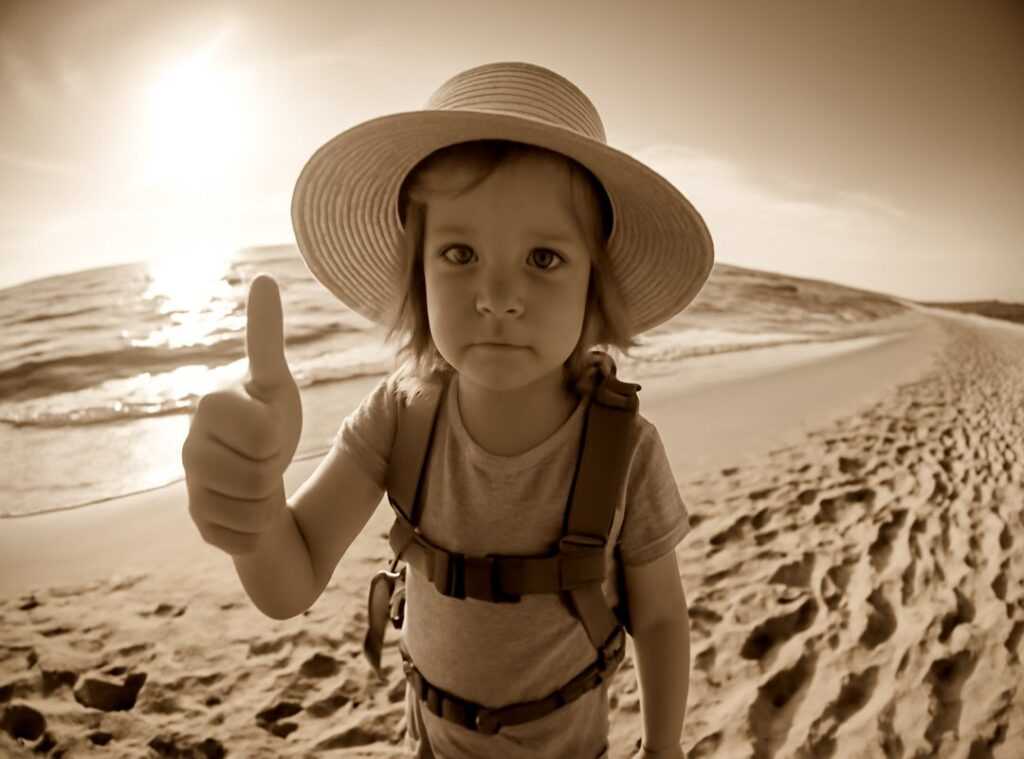
Planning a family trip is a wild mix of excitement and dread. Who hasn’t felt that stomach-knotting anxiety about keeping kids safe in a new place? I’ve been there more times than I can count, with loads of sticky travel moments (literally and figuratively) teaching me a thing or two.
That’s why I’m sharing my kids safety travel tips. I know the drill. You’re here because you want to relax, not freak out the whole trip.
Trust me, these aren’t just theories. They’re lessons I’ve learned from endless miles and flights. Let’s focus on making memories, not managing fears.
Safety First: Pre-Trip Essentials
Before you even think about grabbing your suitcase, start with the safety groundwork. This isn’t just about peace of mind; it’s about setting yourself up for a smooth journey. Proactive preparation is key.
First off, let’s talk about the ‘Digital & Physical Safety Kit.’ I always keep digital copies of important documents like passports stored securely online. Trust me, it’s a lifesaver. A recent, clear photo of each child on your phone?
Non-negotiable. And don’t forget a physical card with emergency contacts and allergy info for your child’s pocket. Simple, yet effective.
Now, the dreaded ‘Safety Talk.’ How do you chat about safety without scaring the kids? Start with role-playing scenarios like ‘what to do if you get separated.’ I tell mine to look for another mom with kids or a person in uniform. It’s about making them feel empowered, not fearful.
Practice memorizing your phone number together. It becomes a game, and they love it.
Packing a specialized first-aid kit is next. Go beyond bandages. Think travel-specific: child-safe motion sickness meds, insect repellent tailored for where you’re headed, and electrolyte packets.
Don’t skip prescription meds (bring a doctor’s note). It seems like a lot, but you’ll thank yourself later.
For more on-the-go parenting strategies, check out 5 quick tips on the go parenting. It’s packed with practical advice.
These kids safety travel tips are more than just ideas. They’re lifelines. Think of them as your pre-trip mantra.
Safe travels start long before you leave home.
Phase 2: Navigating with Confidence (Safety) on the Move
In the Car: Let’s talk about car seat laws first. They can be a total pain. But they’re important. You need to check car seat regulations for your destination because they vary everywhere. Trust me, you don’t want to get caught off guard. If you’re traveling internationally or even state-to-state, find a reliable resource. And here’s a tip: secure loose items in your car. They become dangerous projectiles in a crash. Plan frequent stops on long drives, too. Kids can get restless (as if you didn’t know that). Packing non-choking snacks is smart. Why take the risk?
On the Plane: Airports are chaos incarnate. I’ve learned a use or stroller in crowded areas is important. It keeps your child close. Have a clear meeting point in case you get separated. It’s a lifesaver. During check-in and security, keep a hand on your child. You don’t want them wandering off. Now, in-flight safety. Seatbelts aren’t just for show. Even when the sign is off, turbulence can come out of nowhere. Make sure the kids stay buckled. For ear pressure during takeoff and landing, encourage gum chewing or yawning. It helps. Keeping a child in their seat is a challenge. Bring distractions (the good kind).
For more on this topic, check out 10 travel safety tips for kids for additional takeaways. These small, actionable tips can make a huge difference when you’re on the move.
On Trains & Public Transit: Trains and buses have their own quirks. Platform safety is a must. The ‘mind the gap’ rule is real (and scary). Always have a plan for boarding and disembarking together. No one wants to be left behind. It happens more than you’d think. These public transit tips can keep you sane.
So, does all this make you more prepared? I hope so. Traveling with kids isn’t easy, but with these kids safety travel tips, you’ll get through like a pro.
And remember, a little preparation goes a long way. Safe travels!
Phase 3: Arriving Safe and Sound
So, you’ve finally reached your destination. Now what? Let’s talk safety.
The first thing I do is what I call the “5-Minute Hotel Room Sweep.” You gotta be quick and thorough. Check for accessible cleaning supplies (kids love finding what they shouldn’t), secure those balcony doors, cover outlets, and don’t forget those pesky blind cords. They’re more dangerous than they look.
Water safety is another biggie. Drowning is silent and quick. It’s terrifying how fast it can happen.
Always use “touch supervision” for young children. Meaning, stay within arm’s reach. And if you’re at the beach or pool, have a designated “water watcher.” One person, no distractions.
This isn’t a time to scroll Instagram.
Crowded places? They can be a nightmare. But they don’t have to be.
My go-to trick is dressing kids in bright colors. Makes them easier to spot. Establish a clear, simple meeting point as soon as you arrive.
Trust me, it’s a lifesaver.
Now, GPS tracking devices for kids. They’re a double-edged sword. On one hand, they give peace of mind.
On the other, they can make you lax. We need balance here. If you’re considering them, weigh the pros and cons.
Don’t rely on them as the only safety measure.
Traveling with kids is no joke. You need to stay on top of things, especially when managing time family trips. Speaking of which, check out some strategies on managing time family trips to make life easier.
It’s all about planning and being vigilant.
None of this is rocket science, just basic, practical steps. But they matter (big) time. Safety first, always.
That’s the bottom line. Now go enjoy your trip. Just keep these tips in mind.
The ‘What If’ Plan: Staying Calm and Prepared
Being prepared isn’t about fear. It’s about feeling empowered. When kids wander off, panic hits fast.
But let’s get practical. Stop, listen, call their name. Describe them to the nearest employee.
Contact local authorities if needed. Simple, right? It’s a plan, not paranoia.
Traveling with kids has its own set of challenges. You might wonder: What if they get sick abroad? First, find a local pharmacy or clinic.
Google is your friend here. Travel insurance isn’t just a formality; it’s your safety net. Keep that info handy.
And here’s a pro tip: make sure your kids know your phone number by heart. Yes, even in 2023.
Kids safety travel tips aren’t just about keeping them close. It’s about the peace of mind knowing you can handle whatever comes your way. Traveling should be an adventure, not a stress-fest.
So pack your bags, and prepare your mind.
Your Family Adventure Awaits
Traveling with family shouldn’t feel daunting. You worry about family travel anxiety, but this guide tackles that head-on. Preparation is your ticket to freedom.
It’s simple. You follow the steps, anxiety takes a back seat, and you’re left with the joy of exploration. Isn’t that the goal?
Bookmark this guide. It’s your blueprint for happy trips. Check out kids safety travel tips for extra peace of mind.
You’re in control. Dive into other resources to build those positive routines. Ready for stress-free adventures?
You bet. Embrace the journey and let go of the worry. Claim the travel joy you deserve.
 Family Travel Content Strategist
There is a specific skill involved in explaining something clearly — one that is completely separate from actually knowing the subject. Morris Spearodeso has both. They has spent years working with nomadic family routines in a hands-on capacity, and an equal amount of time figuring out how to translate that experience into writing that people with different backgrounds can actually absorb and use.
Morris tends to approach complex subjects — Nomadic Family Routines, Child Development Strategies, On-the-Go Parenting Tips being good examples — by starting with what the reader already knows, then building outward from there rather than dropping them in the deep end. It sounds like a small thing. In practice it makes a significant difference in whether someone finishes the article or abandons it halfway through. They is also good at knowing when to stop — a surprisingly underrated skill. Some writers bury useful information under so many caveats and qualifications that the point disappears. Morris knows where the point is and gets there without too many detours.
The practical effect of all this is that people who read Morris's work tend to come away actually capable of doing something with it. Not just vaguely informed — actually capable. For a writer working in nomadic family routines, that is probably the best possible outcome, and it's the standard Morris holds they's own work to.
Family Travel Content Strategist
There is a specific skill involved in explaining something clearly — one that is completely separate from actually knowing the subject. Morris Spearodeso has both. They has spent years working with nomadic family routines in a hands-on capacity, and an equal amount of time figuring out how to translate that experience into writing that people with different backgrounds can actually absorb and use.
Morris tends to approach complex subjects — Nomadic Family Routines, Child Development Strategies, On-the-Go Parenting Tips being good examples — by starting with what the reader already knows, then building outward from there rather than dropping them in the deep end. It sounds like a small thing. In practice it makes a significant difference in whether someone finishes the article or abandons it halfway through. They is also good at knowing when to stop — a surprisingly underrated skill. Some writers bury useful information under so many caveats and qualifications that the point disappears. Morris knows where the point is and gets there without too many detours.
The practical effect of all this is that people who read Morris's work tend to come away actually capable of doing something with it. Not just vaguely informed — actually capable. For a writer working in nomadic family routines, that is probably the best possible outcome, and it's the standard Morris holds they's own work to.