
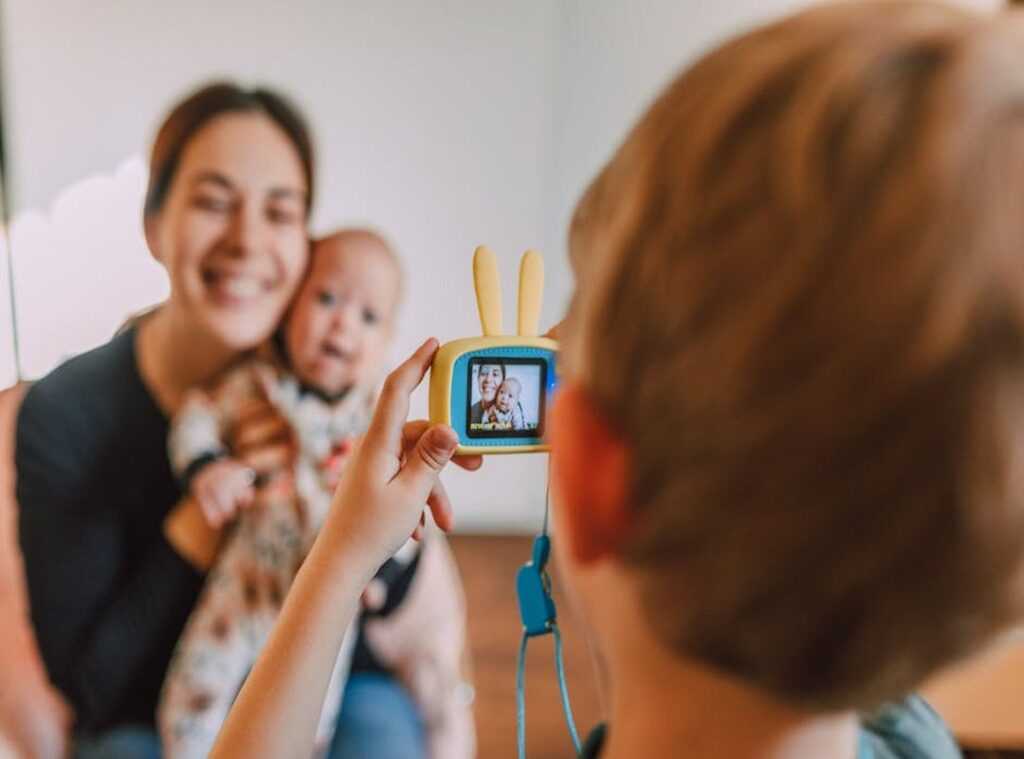
Ever feel like time with your kids is slipping through your fingers? I get it. The days fly by, and you’re left wondering if you’ll remember the small, precious details.
So many parents feel the pressure to create perfect baby books or blogs. But who has the energy for that when you’re just trying to survive each day? Let’s face it, most of us are too exhausted to even start.
Here’s the good news: I’ve found simple, sustainable ways to fit capturing parenting moments into the beautiful chaos of real family life. No more guilt. No more stress.
You deserve a guide that understands your life and offers practical strategies. That’s what you’ll get here. Real, meaningful ways to keep those moments alive without losing your sanity.
Why It Matters: Memories That Love Built
Do you ever think about how fast time flies? I bet you do. Capturing parenting moments isn’t just about snapping endless photos.
It’s about creating a foundation of love for your child. When kids look back at these memories, they don’t just see pictures. They see the story of being cherished, which helps them know who they are.
This sense of identity isn’t just important. It’s important.
As parents, we struggle. There are days when it feels like everything’s falling apart. Looking back at past memories can anchor us.
They remind us of the joy and progress that’s sometimes hidden beneath the chaos. Remember that scraped knee you kissed better or the disastrous family dinner that ended in laughter? Those times are golden.
Here’s the thing. It isn’t about creating a flawless timeline. It’s about curating a heartfelt collection of moments.
Warts and all. Imperfections make them real and beautiful. The act of remembering together strengthens family bonds.
Reading through memory jars as a family can become a cherished tradition.
The point isn’t to get every detail right. It’s about sharing those experiences. The love, the connection.
For the whole family, this act of collective reminiscence fortifies bonds. It turns memories into the glue that holds everyone together.
And those quirky little surprises that come with parenting? I’ve found those are some of the 5 Unexpected Joys Parents Experience. You might just find unexpected treasures among your own moments too.
Real joys that make every chaotic day worth it.
5-Minute Methods: Capturing the Chaos of Parenthood
Life’s a blur, right? Between school runs, work, and trying to remember if you fed the dog, finding time to capture memories seems impossible. But it doesn’t have to be.
These quick methods will help you bottle those moments without derailing your day.
Let’s talk about “The Email-to-Your-Child” method. It’s genius. Create an email address for your kid and send them little notes, funny quotes, or a picture of that messy spaghetti dinner.
Takes seconds. When they’re older, they’ll have a digital time capsule of your love and chaos. It’s like writing a diary, but for the digital age.
Next up, “The Voice Memo Journal.” Seriously, who has time to sit and write? Not me. Use your phone’s voice recorder to capture your child’s stories, songs, or your raw thoughts about the day.
It’s personal and unpolished (perfect for capturing parenting moments). Your future self will thank you.
Now, consider “The Shared Photo Album.” Create one on your phone and share it with your partner or family. Add just one photo each day. It becomes a real-time, collaborative story of your child’s life.
This isn’t about perfect photos. It’s about real life. Messy hair, goofy smiles, and all.
Finally, there’s “The Daily Highlight Note.” Keep a notepad by your bed or use a notes app. Jot down one positive or funny moment from the day before you sleep. It’s quick, less than a minute.
Shifts your focus to the good stuff. And let’s face it, we could all use a little more of that.
These methods aren’t just easy. They’re solid in their simplicity. They help you cherish the chaos and beauty of parenting.
Because let’s be real, these days won’t last forever. So grab those moments when you can.
Beyond the Photo: Creative Ways to Document Their World
Capturing parenting moments doesn’t have to be all about photos and videos. Sure, they’re great, but let’s think outside the box. Ever tried an “Art Portfolio Folder”?

It’s simple. Have your child pick a favorite drawing each month. Date it.
Store it. Over time, you’ll see their creativity evolve without drowning in paper.
Here’s another idea: “The Annual Interview.” I love this one. Ask your child a few questions on their birthday. Things like, “What makes you happy?” or “Who’s your best friend?” Record their answers in a dedicated notebook or on video.
You’ll get a snapshot of their personality every year.
For those of us who wander (or just love new places), a “Sensory Memory Box” can be magical. Collect small mementos from your adventures. A special seashell, a train ticket, or even a leaf from a park.
Just label each with the date and place. It’s a tactile way to remember where you’ve been.
And don’t overlook the power of maps. “Mapping Your Journey” is an awesome concept. Use a pin map or even something digital like Google My Maps. Mark the places you’ve visited as a family.
Add a photo or a note. It’s a visual diary of your travels.
All these methods add depth to how we remember life with our kids. Photos are wonderful, but these ideas? They capture different dimensions of your child’s world.
Plus, they fit perfectly with routine joys parenting counts. Give them a try. You might find these more meaningful than a thousand snapshots.
Memories Made Simple: No More Chaos
Organizing memories can feel like an impossible task. Digital and physical clutter piles up faster than laundry. Let’s get real: who has time to scroll through thousands of photos on a phone?
That’s why I swear by the Monthly Digital Dump. Create a folder for each month on your device or cloud. For example, ‘2024-May’.
At month’s end, move all your photos, videos, and voice notes there. This keeps everything clean and easy to find. It’s like Marie Kondo for your memories.
Automating photo books is another game-changer. Services like Chatbooks or Groovebook can sync with your camera roll and mail you a monthly photo book. Seriously, it’s ‘set it and forget it’.
You get a tangible memory book without lifting a finger. Imagine flipping through those moments with your kids. It’s capturing parenting moments in a way that’s both meaningful and manageable.
And then there’s the ‘End-of-Year Favorites’ ritual. Set aside an afternoon in December or January. Go through those monthly folders and pick the top 50-100 highlights.
Create a photo book or slideshow. This ritual makes the overwhelming volume of memories feel special and curated. You remember the best parts without drowning in data.
Pro tip: Make this a family event. Pop some popcorn, gather around, and relive the year’s best times together. Memories should be enjoyed, not just stored.
With these strategies, you’re not just organizing (you’re) celebrating.
Create Memories That Last
Being a parent is exhausting. We all want to remember every little moment, but let’s be real. Who has time for that?
The trick isn’t in grand, unfinished projects. It’s in those simple, consistent acts. They’re more solid.
Parenting is about connection, not perfection. You don’t need a million-dollar scrapbook. You need a plan that works for you.
So here’s my advice: choose one idea that feels easy, something joyful. Try it for a week. That’s all it takes.
Soon, you’ll be capturing parenting moments that become priceless treasures. Ready to start? Begin today and see the difference.
 Founder & Lead Travel Parenting Strategist
There is a specific skill involved in explaining something clearly — one that is completely separate from actually knowing the subject. Tyvian Kelthorne has both. They has spent years working with nomadic family routines in a hands-on capacity, and an equal amount of time figuring out how to translate that experience into writing that people with different backgrounds can actually absorb and use.
Tyvian tends to approach complex subjects — Nomadic Family Routines, Helpful Reads, Child Development Strategies being good examples — by starting with what the reader already knows, then building outward from there rather than dropping them in the deep end. It sounds like a small thing. In practice it makes a significant difference in whether someone finishes the article or abandons it halfway through. They is also good at knowing when to stop — a surprisingly underrated skill. Some writers bury useful information under so many caveats and qualifications that the point disappears. Tyvian knows where the point is and gets there without too many detours.
The practical effect of all this is that people who read Tyvian's work tend to come away actually capable of doing something with it. Not just vaguely informed — actually capable. For a writer working in nomadic family routines, that is probably the best possible outcome, and it's the standard Tyvian holds they's own work to.
Founder & Lead Travel Parenting Strategist
There is a specific skill involved in explaining something clearly — one that is completely separate from actually knowing the subject. Tyvian Kelthorne has both. They has spent years working with nomadic family routines in a hands-on capacity, and an equal amount of time figuring out how to translate that experience into writing that people with different backgrounds can actually absorb and use.
Tyvian tends to approach complex subjects — Nomadic Family Routines, Helpful Reads, Child Development Strategies being good examples — by starting with what the reader already knows, then building outward from there rather than dropping them in the deep end. It sounds like a small thing. In practice it makes a significant difference in whether someone finishes the article or abandons it halfway through. They is also good at knowing when to stop — a surprisingly underrated skill. Some writers bury useful information under so many caveats and qualifications that the point disappears. Tyvian knows where the point is and gets there without too many detours.
The practical effect of all this is that people who read Tyvian's work tend to come away actually capable of doing something with it. Not just vaguely informed — actually capable. For a writer working in nomadic family routines, that is probably the best possible outcome, and it's the standard Tyvian holds they's own work to.