
Traveling with kids can be one of the most rewarding experiences for a family—but it also comes with real challenges, especially when it comes to keeping kids safe in crowded places. If you’re searching for practical, realistic advice on how to travel confidently with children, you’re in the right place.
This article is designed to help you navigate busy airports, packed attractions, public transportation, and bustling city streets without feeling overwhelmed. We’ll cover proactive safety strategies, age-appropriate communication tips, and simple routines that help children stay close and aware of their surroundings while still enjoying the adventure.
Our guidance is rooted in hands-on travel experience, child development principles, and proven parenting strategies that work in real-world situations—not just in theory. By the end, you’ll have clear, actionable steps to reduce stress, prevent common safety issues, and travel with greater peace of mind, no matter where your family journeys take you.
Keeping Your Little Explorer Safe in a Big World
There’s universal parenting paradox: joy and anxiety arrive together, especially in theme parks, airports, or buzzing city markets. One distracted second—buying tickets, checking directions—and your child slips from view. That fear is real.
Back in 2019, after three months of testing strategies across crowded European train stations, we built a layered plan for keeping kids safe in crowded places. First, prepare. Next, practice. Finally, respond.
| Stage | Action | Timing |
|—|—|—|
| Prepare | ID bracelet, meeting point | Before arrival |
| Practice | Role-play separation | Weekly |
| Respond | Alert staff immediately | Within minutes |
As a result, confidence replaces panic.
Before You Go: Your Proactive Safety Checklist
Preparation beats panic. When it comes to keeping kids safe in crowded places, small steps taken before you leave home can make a big difference.
The “Be Seen” Strategy: Bright vs. Blending In
Option A: Neutral outfits that look cute in photos.
Option B: Bright, distinctive clothing that stands out in a sea of people.
Choose B. Neon shirts or bold patterns make your child easier to spot instantly (think Where’s Waldo, but you’re stacking the odds in your favor). Take a clear, full-body photo on your phone that morning. If you need help from staff, you’ll have an exact visual—no guessing about shoes or hairstyles.
The “What If” Game: Fear-Based vs. Confidence-Based Prep
Some parents avoid the topic to prevent anxiety. Others role-play calmly at home.
Role-play wins. Teach your child to freeze, take a breath, then look for a “safe helper”—preferably another mom with kids or a uniformed employee. Practicing ahead of time builds confidence, not fear (kids treat it like rehearsal, not doom planning).
Wearable Information: Tech vs. Low-Tech
ID bracelets and temporary tattoos with your phone number offer visibility. A simple pocket card is more discreet.
Both work—but neither replaces memorizing your number. Think of wearables as a backup system, not the main plan.
Establish a Landmark: Vague vs. Specific
“I’ll find you” is vague. “Meet at the giant fountain” is concrete.
Pick one large, stationary landmark before entering and make it non-negotiable. Pro tip: choose something that can’t move or close unexpectedly.
Prepared beats reactive. Every time.
Staying Connected in the Crowd: On-the-Ground Tactics
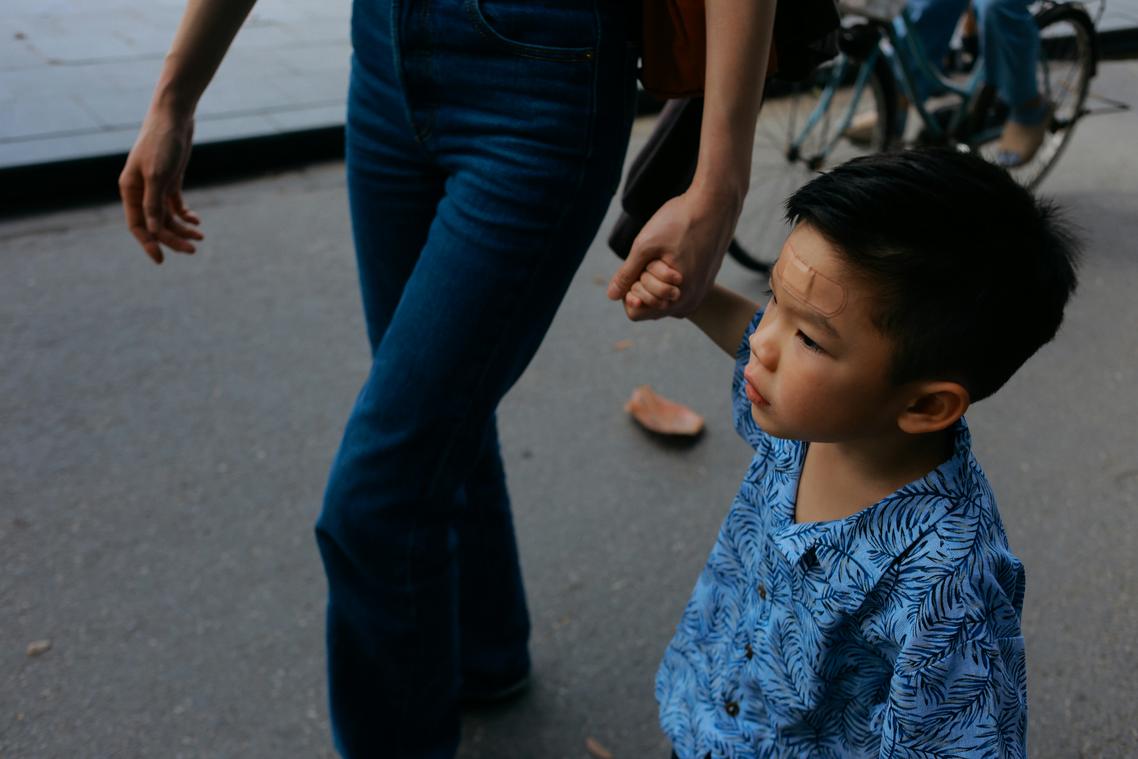
Crowded airports, festivals, and theme parks are exciting—but they’re also where plans unravel fast. When it comes to keeping kids safe in crowded places, simple, repeatable systems win every time.
The “Three Points of Contact” Rule
Think of this as your primary safety net. Three points of contact means your child is physically connected to you in one of three ways: holding hands, secured in a stroller, or in a child carrier. Physical contact is your first line of defense in dense crowds (yes, even when they insist they’re “not a baby”). If the space tightens, default to contact—no debate, no delay.
Verbal Check-ins & Call-and-Response
When hands can’t stay linked, use sound. Create a playful call-and-response phrase like, “Nitka!” “Traveling!” A call-and-response is a pre-agreed verbal exchange that confirms location and attention. Use it frequently and make it fun so it feels like a game, not a drill (think less military roll call, more “Marco!” “Polo!” energy).
Leveraging Technology
GPS trackers like AirTags or child safety watches add a digital layer. They’re not your first solution—they’re your backup parachute. Technology fails; batteries die. Human systems come first. Pro tip: test devices before leaving home and confirm sharing settings with all caregivers.
The “Safe Zone” Boundary
When stopping, define a visible boundary: “You can explore between this bench and that trash can.” A safe zone boundary gives kids autonomy inside clear limits. Physically point it out. Make them repeat it back.
The “Watcher” System
If you’re with another adult, assign a designated child watcher. Say it out loud. Switch roles verbally. Never assume (because that’s when everyone thinks someone else is watching).
What’s next? Practice these tactics locally before big trips. Pair them with smart prep like these time saving organization hacks for parents on the move so safety systems feel automatic when the crowd swells.
When Seconds Count: A Calm Plan for Separation
Rule #1: Stay Put and Don’t Panic. Your calm is contagious (yes, even when your heart is racing). When a child wanders off, they usually stay within the immediate area at first (National Center for Missing & Exploited Children). The first decision is critical:
| Panic & Move Constantly | Pause & Scan Intentionally |
|————————–|—————————-|
| Increases distance between you | Keeps search radius tight |
| Creates confusion | Allows clear observation |
| Signals fear to others | Signals control and urgency |
Stillness creates strategy. Stop. Turn slowly. Scan high and low—bright colors, familiar shoes, movement patterns.
Shout Smart, Not Soft
Calling their name feels natural. But compare:
- Just yelling their name: Only your child recognizes it.
- Shouting a description: “I’m looking for a 4-year-old girl in a bright pink jacket!” Now everyone is scanning.
You’ve just deputized the crowd (think of it as assembling your own search party montage moment).
Alert Authority Immediately
Some parents hesitate, worrying it’s “too soon.” It isn’t. Staff are trained for exactly this. Show them the recent photo you took that morning (pro tip: full-body photos help identify clothing fast). Quick reporting activates formal protocols immediately.
Teach the “Tree” Method
Before outings, compare instructions:
- “Find Mommy/Daddy.” Child wanders further.
- “Be a tree.” Child stands still and yells.
Standing still shrinks the search zone dramatically. It’s one of the simplest tools for keeping kids safe in crowded places.
Preparation beats reaction. A calm plan doesn’t eliminate fear—but it turns fear into action.
Empowered parenting isn’t about raising alarms; it’s about building a sturdy bridge before you cross the river. The fear of losing a child is real, especially when keeping kids safe in crowded places, but preparation turns panic into a plan. Think of it as layering sunscreen: clothing choices and updated photos are your base coat, hand-holding and check-ins your second layer, and a clear emergency meeting point your final shield. Some argue this sounds excessive. In reality, it frees everyone to relax. Play the “What If” game and pick a meeting spot on your next outing—make safety second nature together.
Travel Smarter and Safer With Your Kids
Traveling with children can feel overwhelming, especially when you’re juggling logistics, meltdowns, and the constant worry about keeping kids safe in crowded places. But now you have practical strategies to make family travel smoother, more structured, and far less stressful.
You came here looking for ways to balance adventure with responsibility—and now you know it’s possible. With the right routines, clear safety plans, and age-appropriate expectations, you can explore confidently without sacrificing your child’s well-being.
The biggest pain point for traveling parents isn’t the destination—it’s the fear of something going wrong. Preparation is what transforms that fear into confidence. When you plan ahead, communicate clearly, and stay proactive, you create a travel experience that’s both enriching and secure.
If you’re ready to make your next trip easier, safer, and more enjoyable for the whole family, start applying these strategies today. Explore more travel-tested parenting tips and proven routines designed specifically for families on the move. Join thousands of parents who are already traveling smarter—use these tools now and turn your next family trip into a confident, stress-free adventure.