
Traveling with children can feel overwhelming—especially when you’re trying to balance adventure with your child’s emotional and developmental needs. If you’re searching for practical guidance on raising kids while living a nomadic life, this article is designed to give you clear, experience-backed strategies that actually work on the road. From building travel-friendly routines to supporting healthy development across changing environments, we’ll explore how to create consistency no matter where you are in the world.
A common concern for parents is maintaining stability for kids in nomadic lifestyle settings. We address this directly with research-informed insights on child development, psychology, and adaptable family systems that help children feel secure even when their surroundings change.
Inside, you’ll find actionable tips for daily routines, learning on the go, emotional support strategies, and practical planning tools—so you can travel confidently while ensuring your child continues to thrive.
How do you give your child a steady foundation when your address changes with the seasons? That tension is real. The key is building predictable rhythms, portable learning systems, and reliable community touchpoints that travel with you. This guide offers practical steps—curriculum mapping, digital portfolios, standing weekly calls with friends, and local activity rituals—to create stability for kids in nomadic lifestyle without sacrificing adventure. Consistency lives in routines, not zip codes. Prioritize clear learning goals, track progress monthly, and revisit friendships intentionally. With structure and heart, your child can thrive, not just cope, on the road. Academically and socially secure.
The Nomadic Education Blueprint: Consistency in Motion
The Myth of the Traditional Classroom
For generations, we’ve been told that education happens in one place: a desk, a whiteboard, a bell schedule. But that’s a model—not a rule. In reality, learning thrives in a learning ecosystem—a mix of environments, tools, mentors, and experiences that work together. A museum in Paris, a local market in Bangkok, or a hiking trail in Patagonia can teach economics, culture, and ecology just as effectively as a textbook (sometimes more memorably).
That said, critics argue kids need a single school for social development and academic rigor. Fair point. Structure matters. But structure doesn’t require a single building—it requires intention.
Pillar 1 – Structured Flexibility with Worldschooling
Worldschooling means using the world as your curriculum. Instead of separating “travel” and “school,” blend them.
For example:
- Visiting Rome? Assign a mini research task on Julius Caesar before touring the Colosseum.
- Snorkeling in Thailand? Identify three marine species and journal observations.
- Exploring a local market? Practice currency conversion and budgeting in real time.
Here’s a simple framework:
- Preview: Read or watch a short lesson beforehand.
- Experience: Explore the site actively.
- Reflect: Journal, sketch, or discuss afterward.
Pro tip: Keep a digital portfolio of photos, notes, and projects. It builds both memories and transcripts.
Pillar 2 – The Digital Anchor
Even the most adventurous families need consistency. Accredited online schools provide full curricula. Supplemental platforms like Khan Academy reinforce math and science skills (Khan Academy reports millions of global learners annually). Language apps like Duolingo keep progress measurable and fun.
This digital anchor creates stability for kids in nomadic lifestyle while allowing geographic freedom.
Pillar 3 – Project-Based Learning
Finally, create long-term projects that travel with you. A child might:
- Document global architecture styles in a photo essay.
- Build a blog reviewing playgrounds worldwide.
- Track local wildlife across continents.
Because the project continues, no matter the country, it becomes the steady thread in a moving life. Think of it as their personal trilogy—minus the cliffhanger ending.
Building a Community Without Borders: Social Support Strategies
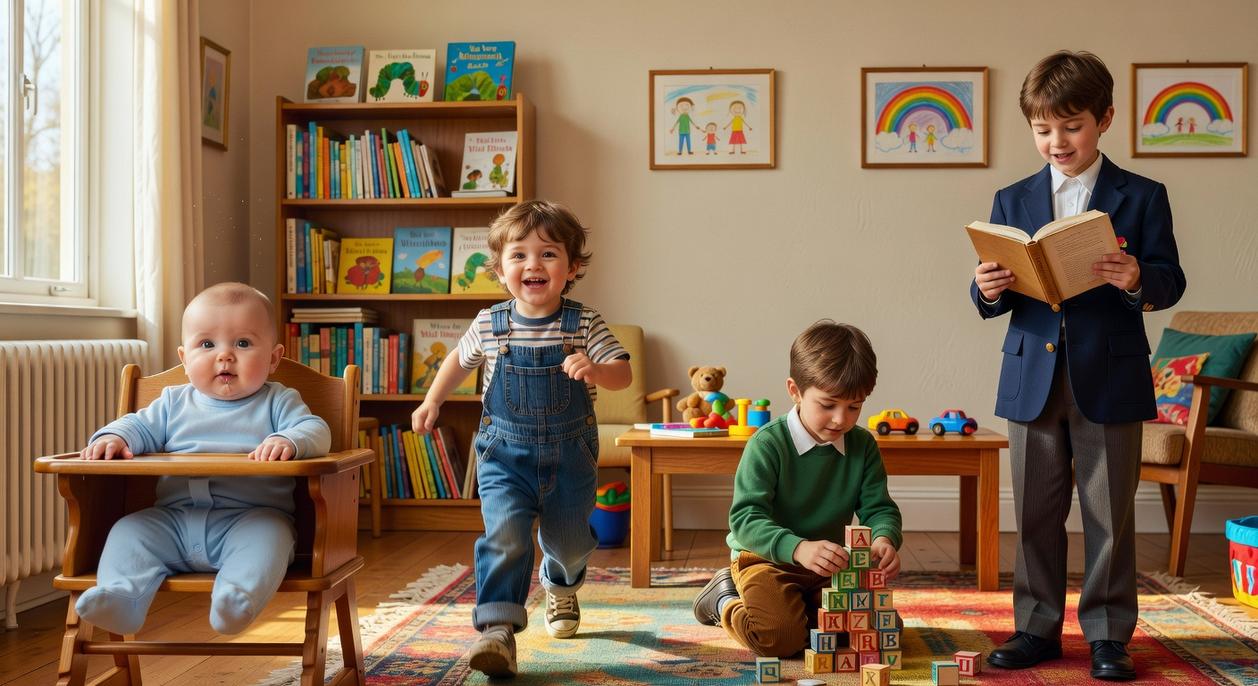
When you choose a nomadic life, “community” stops meaning one neighborhood and starts meaning a network of relationships across places and platforms. Think of it as layering connections: fellow travelers, loved ones back home, and new local friends in every destination. With intention, this web can offer real stability for kids in nomadic lifestyle.
Strategy 1 – The Traveling Tribe
Start by actively seeking families who live similarly.
- Join worldschooling and digital nomad family groups on social media.
- Use location-based apps to find meetups in your current city.
- Attend co-learning hubs or short-term enrichment classes.
Step-by-step example: Before arriving in Lisbon, post in a nomad families group, ask who’s nearby, schedule a park meetup, and follow up with a shared outing. Children bond quickly when they meet peers who also “live on the road” (it’s like finding someone who speaks their secret language).
Pro tip: Create a simple contact spreadsheet with names, kids’ ages, and locations so you can reconnect when paths cross again.
Strategy 2 – Nurturing Roots from Afar
Distance doesn’t have to weaken close relationships.
- Schedule recurring video calls (same day, same time).
- Host virtual game nights using kid-friendly platforms.
- Send digital postcards or short video updates after each stop.
Consistency matters more than length. A 15-minute weekly call builds rhythm and reassurance. Grandparents reading bedtime stories over video can become a cherished ritual.
For added structure in daily learning routines, explore homeschooling on the road tools and daily structures that work.
Strategy 3 – Local Immersion as a Social Skill
Every market visit or playground stop is a mini social workshop.
Encourage kids to:
- Order food in the local language.
- Join pickup games at parks.
- Try short-term classes like dance or art.
These small interactions build adaptability and cross-cultural confidence. Over time, children learn that unfamiliar doesn’t mean unsafe—it means opportunity. And that mindset? It travels well.
The Power of Routine: Your Daily Anchor in Any Location
Travel is exciting. New cities, new foods, new views. But for kids, constant change can feel like the ground shifting under their feet. Routines act as an emotional seatbelt (not flashy, but absolutely essential). Research shows predictable patterns reduce anxiety and improve emotional regulation in children (American Academy of Pediatrics). That’s why routine is the secret weapon for stability for kids in nomadic lifestyle.
The NON-NEGOTIABLE Morning
Keep mornings simple and repeatable, no matter the country or time zone:
- Breakfast together
- 15 minutes of reading
- A quick chat about the day’s plan
This consistent start signals SAFETY and structure. Even if you’re in a tiny Airbnb in Lisbon or a camper van in Colorado, the rhythm stays the same.
Protected Learning and Play Time
Block specific hours for:
- Focused learning
- Unstructured free play
Predictability helps kids relax because they know what’s coming next (and when they can just be kids).
The “Home Base” Ritual
Create a small portable kit: a favorite blanket, beloved books, one familiar board game. Set it up first in every new space. Instantly, the unfamiliar feels manageable.
Pro tip: unpack your child’s items before your own. That small act sends a BIG message of security.
Fear of instability creeps in at 2 a.m., doesn’t it? You worry your child will miss out, fall behind, or crave a bedroom that doesn’t move. That frustration is real. But stability for kids in nomadic lifestyle isn’t about four walls; it’s about systems.
By building a flexible educational ecosystem and intentionally nurturing community, you create anchors that travel with you. Digital tools, hands-on exploration, and consistent routines form a framework stronger than any mortgage.
Structure travels.
Start small. Choose one non‑negotiable—like a steady morning routine—and implement it this week. One rhythm can quiet chaos (yes, even on Wi‑Fi‑spot‑powered Tuesday).
Creating Confidence and Stability on the Move
You came here looking for real, practical ways to raise happy, well-adjusted kids while living a life of travel. Now you have clear strategies to create routines, encourage healthy development, and build strong family rhythms no matter where you land next.
The biggest fear for most traveling parents isn’t the logistics — it’s whether constant movement will disrupt their child’s sense of security. The truth is, with intentional routines, emotional connection, and thoughtful planning, you can absolutely create stability for kids in nomadic lifestyle while still embracing adventure.
The key is consistency in what matters most: connection, communication, and predictable family habits. When those anchors are in place, new environments become opportunities for growth instead of sources of stress.
If you’re ready to stop second-guessing your decision to travel with your children and start building a thriving nomadic family life, explore more of our practical guides and proven strategies. Thousands of traveling parents rely on our trusted, experience-backed advice to simplify life on the road. Start implementing these tools today and give your kids the secure, confident foundation they deserve — wherever in the world you are.