
If you’re searching for honest, practical insight into family travel memoirs, you’re likely looking for more than picturesque stories. You want real-life lessons, tested routines, and meaningful reflections that help you travel better with your children. This article explores how family travel stories can offer both inspiration and practical guidance—blending lived experience with actionable parenting strategies for life on the move.
We break down what makes travel memoirs valuable for modern families: how they reveal adaptable routines, support child development on the road, and highlight the challenges most guides gloss over. Drawing from extensively documented travel experiences, child development research, and real-world parenting practices, this guide focuses on what actually works when raising children across changing destinations.
Whether you’re planning extended trips or simply curious about life beyond conventional routines, you’ll find grounded insights that turn memorable journeys into meaningful growth for the whole family.
More Than Just a Trip
There’s a difference between taking a vacation and building a family story.
Option A: You snap photos, post them, and move on.
Option B: You let the missed flights, shared gelato, and wrong turns become part of your family’s language (yes, even the meltdown in airport security).
We often think memories live in albums. But the real ones? They live in jokes retold at dinner and the confidence kids gain navigating new places.
Some argue trips are too stressful or expensive. Fair. But ordinary weekends blur together; travel imprints.
• The challenge becomes the glue.
That’s why family travel memoirs resonate—they capture feeling, not just scenery.
The Early Days: Finding Our Rhythm on the Road with Toddlers
The first time we boarded an international flight with our two-year-old, I was convinced we were making a TERRIBLE mistake. He clutched a sticky stuffed giraffe; I clutched a color-coded schedule. Somewhere over the Atlantic, as apple juice soaked my sleeve and he squealed at the tiny airplane window, I realized the destination almost didn’t matter. The magic was in the micro-moments: his gasp at the clouds (“We’re IN the sky?”), the way he waved solemnly at strangers like a tiny diplomat. It was chaos. It was joy. It was ours.
I had planned our itinerary down to the museum café. Then a missed train unraveled the whole day. I nearly cried. Instead, we wandered into a neighborhood park not listed in any guidebook. He chased pigeons; we shared warm bread from a corner bakery. It became the BEST day of the trip. (So much for my spreadsheet.) Flexibility, I learned, isn’t surrender—it’s strategy. Some argue structure keeps kids grounded. True. But rigidity? That’s a fast track to frustration.
Bedtime became our anchor. In a tiny apartment thousands of miles from home, we read the same dog-eared story. Same voices. Same page-turn rhythm. Routine, I realized, is a portable form of safety. Child development experts note that predictable rituals reduce anxiety in young children (American Academy of Pediatrics). We didn’t need the same room—just the same rhythm.
And then there was the “nap trap.” We used to plan entire days around it. Eventually, we reframed it:
- One of us stayed back for stroller naps.
- The other explored a quiet café.
Those pauses saved us. They reminded us we were partners, not cruise directors. If you read enough family travel memoirs, you’ll notice the pattern: it’s never about perfect logistics. It’s about learning, slowly, to move together.
Lessons Learned from Unexpected Detours and Missed Trains
The Kindness of Strangers
We once got hopelessly lost in a non-English speaking city after taking the wrong tram (the kind of mistake that feels cinematic until you’re hauling backpacks). At first, it was stressful. However, that detour became a lesson in social trust—the belief that other people, even strangers, can act in good faith. A shop owner walked us three blocks to the correct stop. My kids watched this unfold in real time. Not on a screen. Not in a storybook. In real life. Research suggests that positive interactions with strangers can increase empathy and prosocial behavior in children (APA, 2020). I’ve read plenty of family travel memoirs, but living it? That’s different.
From Tantrum to Triumph
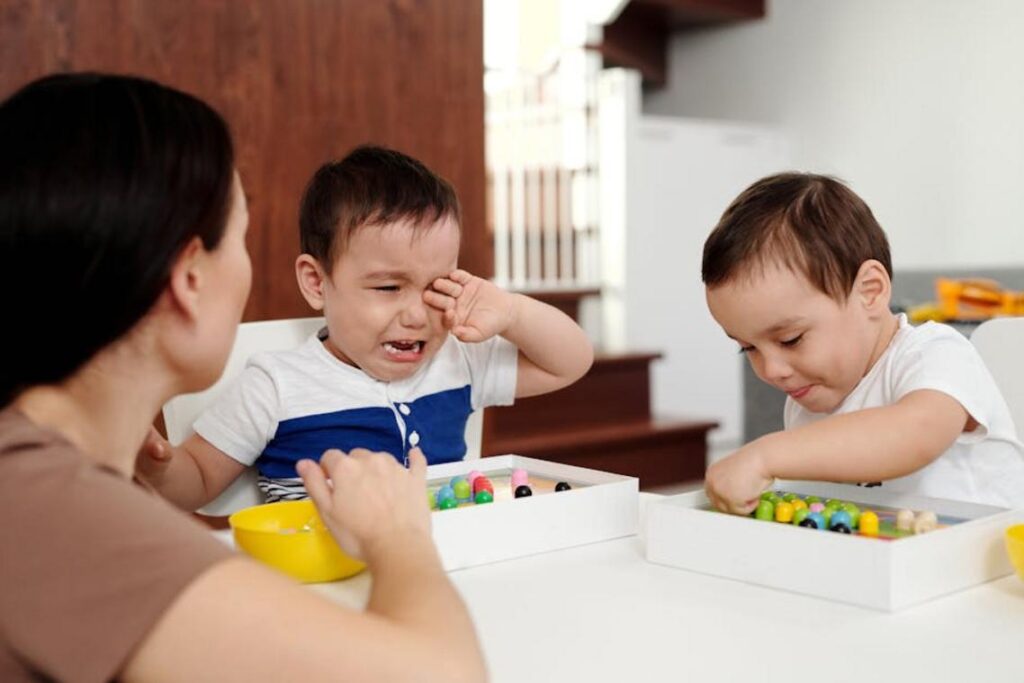
Of course, not every lesson looks heartwarming. Once, after a missed train, exhaustion triggered a full meltdown. Instead of shutting it down, we practiced emotional regulation—the ability to manage feelings constructively. We sat on the platform floor and breathed together. Was it glamorous? No. Was it bonding? Absolutely. I believe resilience isn’t taught in perfect moments; it’s forged in messy ones.
Child Development in Action
Meanwhile, real-world problem-solving took center stage. The kids learned to order food with gestures and decode subway maps. That’s adaptive thinking—adjusting strategies when conditions change. Some argue kids learn the same at home. Maybe. But navigating a foreign transit system accelerates growth (OECD, 2019).
The Value of ‘Boredom’
Long, screen-free travel days forced creativity. Boredom, defined as a lack of stimulation, actually sparks imagination (Mann, 2017). Pro tip: pack a notebook, not a tablet. Some of our strongest conversations started in silence. For deeper insights, explore research backed articles on building strong family relationships.
Seeing the World Through Their Eyes: How Travel Shapes a Child’s Worldview
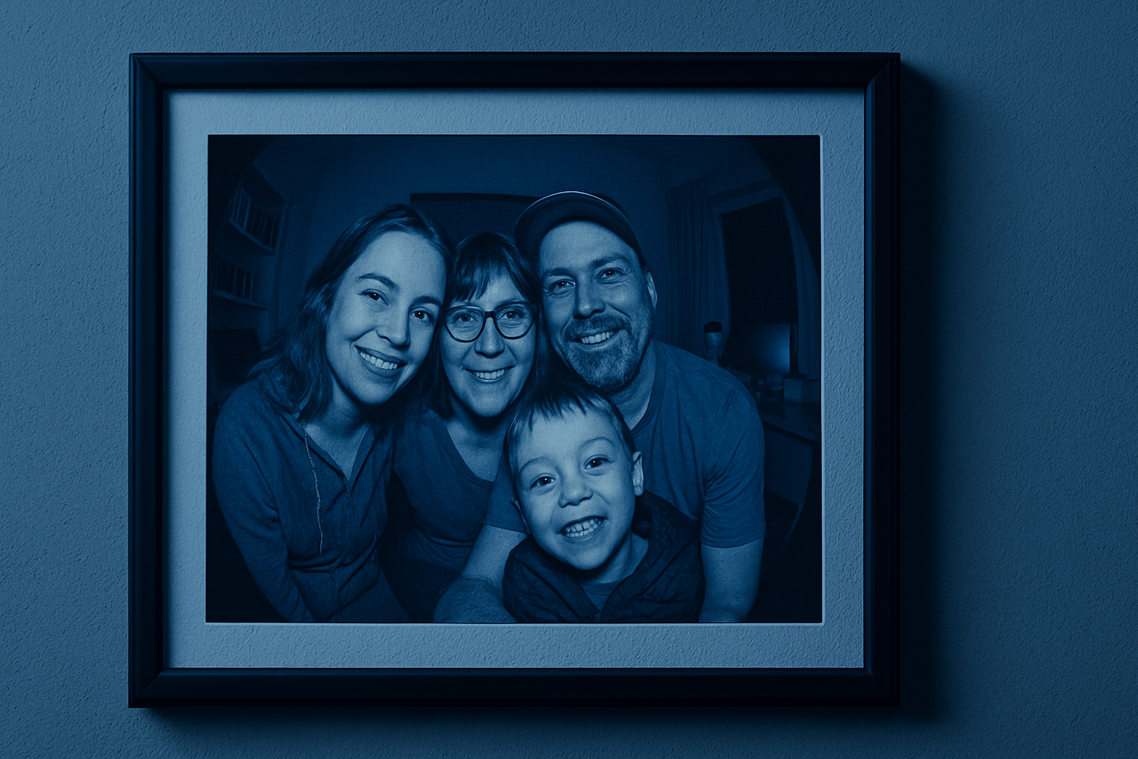
I used to think travel was about landmarks. Cathedrals. Skylines. Bucket‑list photos. Then, standing beneath the Eiffel Tower, I whispered something about 19th‑century engineering. My child tugged my sleeve and said, “Do you think the man who built this missed his family?” That was the moment. I saw steel; they saw sacrifice. (Kids have a way of skipping the brochure copy and heading straight for the human story.)
People often argue that young children won’t remember travel, so why bother? I disagree. Memory isn’t the only metric that matters. Perspective is. Experiencing new foods, languages, and daily rhythms builds empathy—the ability to understand and share another person’s feelings. Studies suggest early cross‑cultural exposure increases openness and adaptability later in life (APA, 2017).
We’ve found empathy grows in small, ordinary ways:
- Sharing street food with strangers
- Learning basic phrases in another language
- Noticing how other families solve everyday problems
Contrary to popular belief, kids don’t need stability in place; they need stability in connection. Our “home” travels with us through morning check‑ins and evening reflections. Four questions, no matter the country. That rhythm matters more than a fixed address.
Maybe that’s why family travel memoirs resonate. They capture what brochures miss: children don’t just see the world. They reinterpret it—and quietly reshape ours in return.
On-the-Go Tips That Became Lifelong Habits
Travel taught us the One-Thing Rule: each child chooses one non-negotiable activity daily. It could be swimming, sketching, or hunting for the best street snack (yes, gelato counts). Instead of constant bargaining, we gained buy-in. The benefit? Ownership, compromise, and fewer meltdowns.
Then came Journaling for Kids. A cheap notebook turned into treasure—scribbles, ticket stubs, wobbly sentences. Like family travel memoirs, these pages sharpen memory recall and spark richer conversations months later.
- Builds decision-making skills
- Strengthens reflection and gratitude
- Creates meaningful, screen-free keepsakes
What’s in it for you? Calmer days and memories that stick.
The Souvenirs We Carry Within Us
Vacations end. Suitcases unpack. Sand gets shaken from shoes. What lingers is less visible but more VALUABLE. The fleeting nature of a trip can feel discouraging, especially after months of planning. Yet memories, when intentionally revisited, become part of your family’s identity.
One practical way to preserve them is through shared rituals: create photo books, record voice notes, or write family travel memoirs together on the flight home. These habits turn moments into meaning.
Connection beats perfection every time (missed trains make better stories anyway). Your trip isn’t an expense. It’s an investment. Plan it.
Keep Exploring Together
You came here looking for practical ways to make traveling with your children smoother, more meaningful, and less overwhelming. Now you have clear strategies—from building flexible routines to supporting child development on the road—that make family travel feel doable instead of daunting.
The biggest challenge for traveling parents isn’t the miles—it’s the fear of chaos, missed milestones, or losing connection along the way. With the right preparation and mindset, those worries shrink, and what grows instead is confidence, resilience, and shared adventure.
Your next step? Start small and stay intentional. Plan your next trip with a simple routine in place, involve your kids in the process, and document your experiences through family travel memoirs to capture the growth and joy you’ll witness along the way.
If you’re ready to turn stressful trips into connected, growth-filled journeys, explore more of our trusted, parent-tested travel guidance today. Thousands of traveling families rely on these insights to simplify life on the move—join them and start building your next adventure with confidence.
 Founder & Lead Travel Parenting Strategist
There is a specific skill involved in explaining something clearly — one that is completely separate from actually knowing the subject. Tyvian Kelthorne has both. They has spent years working with nomadic family routines in a hands-on capacity, and an equal amount of time figuring out how to translate that experience into writing that people with different backgrounds can actually absorb and use.
Tyvian tends to approach complex subjects — Nomadic Family Routines, Helpful Reads, Child Development Strategies being good examples — by starting with what the reader already knows, then building outward from there rather than dropping them in the deep end. It sounds like a small thing. In practice it makes a significant difference in whether someone finishes the article or abandons it halfway through. They is also good at knowing when to stop — a surprisingly underrated skill. Some writers bury useful information under so many caveats and qualifications that the point disappears. Tyvian knows where the point is and gets there without too many detours.
The practical effect of all this is that people who read Tyvian's work tend to come away actually capable of doing something with it. Not just vaguely informed — actually capable. For a writer working in nomadic family routines, that is probably the best possible outcome, and it's the standard Tyvian holds they's own work to.
Founder & Lead Travel Parenting Strategist
There is a specific skill involved in explaining something clearly — one that is completely separate from actually knowing the subject. Tyvian Kelthorne has both. They has spent years working with nomadic family routines in a hands-on capacity, and an equal amount of time figuring out how to translate that experience into writing that people with different backgrounds can actually absorb and use.
Tyvian tends to approach complex subjects — Nomadic Family Routines, Helpful Reads, Child Development Strategies being good examples — by starting with what the reader already knows, then building outward from there rather than dropping them in the deep end. It sounds like a small thing. In practice it makes a significant difference in whether someone finishes the article or abandons it halfway through. They is also good at knowing when to stop — a surprisingly underrated skill. Some writers bury useful information under so many caveats and qualifications that the point disappears. Tyvian knows where the point is and gets there without too many detours.
The practical effect of all this is that people who read Tyvian's work tend to come away actually capable of doing something with it. Not just vaguely informed — actually capable. For a writer working in nomadic family routines, that is probably the best possible outcome, and it's the standard Tyvian holds they's own work to.