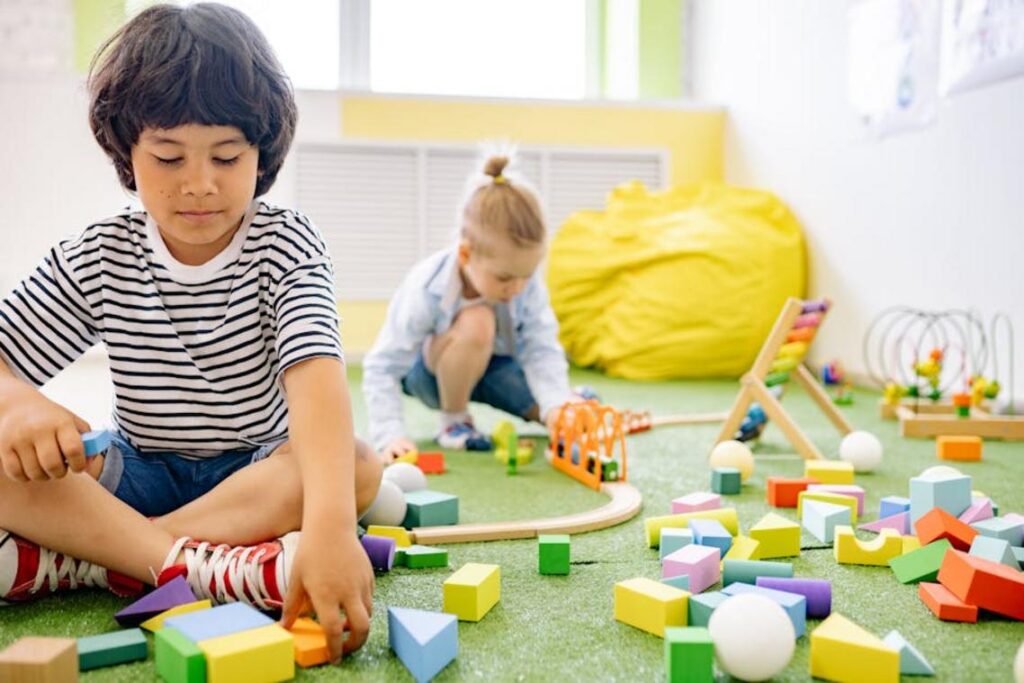

Traveling with young children can feel overwhelming—especially when you’re trying to support their growth while constantly on the move. If you’re searching for practical ways to balance adventure with stability, this article is designed for you. We’ll explore travel-friendly parenting basics, smart routines for nomadic families, and proven strategies that nurture emotional development in early childhood even when home is wherever you park your suitcase.
Many parents worry that frequent travel may disrupt learning, behavior, or social skills. The truth is, with the right structure and intentional habits, life on the road can strengthen resilience, adaptability, and emotional intelligence. Drawing on established child development principles and real-world travel-tested routines, this guide offers actionable, realistic advice you can apply immediately.
You’ll discover how to create consistency without rigidity, encourage healthy emotional expression, and build meaningful family rhythms—no matter the destination.
Your Child’s Inner World: A Guide to Emotional Milestones
From first cries to dramatic preschool meltdowns, emotional development in early childhood can feel like a rollercoaster. However, most mood swings are milestones, not red flags. I believe parents often underestimate how deeply children feel; they’re not being dramatic, they’re overwhelmed. For example, a toddler who sobs because you cut the sandwich “wrong” is practicing control, not defiance. Meanwhile, consistent routines and naming feelings build resilience. In my view, validating emotions—even inconvenient ones—strengthens trust. So, pause, get curious, and guide rather than silence; you’re shaping lifelong emotional skills with patience.
The First Sparks: Emotional Life of an Infant (0–12 Months)
In the first year, babies experience core emotions—joy, sadness, anger, and fear—long before they have words. A wide-eyed grin and kicking legs signal joy. A stiff body and piercing cry often mean anger or frustration. Lower lip trembling? Sadness. Startle reflex with a tight grip? Fear. These reactions are early building blocks of emotional development in early childhood.
Some argue infants are “too young” to feel real emotions (as if they’re tiny potatoes with lungs). Research disagrees. Studies show distinct facial expressions tied to specific emotional states within the first months of life (Sroufe, 1996). Emotions aren’t learned later—they’re refined over time.
The Power of Attachment
A secure attachment—a consistent, responsive bond with a caregiver—creates a sense of safety. When a caregiver responds predictably, the baby learns: The world is safe. My needs matter. That trust becomes the foundation for emotional regulation.
Pro tip: Respond within seconds when possible. Quick comfort doesn’t “spoil” a baby; it strengthens security (Ainsworth, 1978).
Responding to Cues
- Short, rhythmic cries: hunger
- Sudden loud wails: pain or discomfort
- Soft coos and eye contact: readiness to engage
Mirror their expressions, speak calmly, and adjust based on feedback.
On-the-Go Tip
Maintain feeding and sleep routines—even in new places. Familiar rhythms anchor babies emotionally, turning unfamiliar settings into manageable adventures.
The “Big Feelings” Stage: Navigating Toddlerhood (1–3 Years)

The Rise of Independence
If you’ve ever heard a determined little voice shout, “I do it!” you’ve witnessed autonomy in action. Autonomy means the desire to act independently and make choices without help. Between ages one and three, children discover they’re separate people—and they love it.
But here’s the catch: their skills can’t keep up with their ambition. They want to pour the juice, tie the shoe, carry the suitcase through the airport (yes, really). When reality blocks their plan, frustration erupts. Some argue toddlers are simply being defiant. Yet research in emotional development in early childhood shows self-control systems in the brain are still under construction (Center on the Developing Child, Harvard University). It’s less rebellion, more overload.
Understanding Meltdowns
A tantrum isn’t manipulation—it’s an emotional storm. The prefrontal cortex, which helps regulate impulses, is immature in toddlers (CDC). Imagine having adult-sized feelings with toddler-sized brakes.
• Stay close and calm
• Name the feeling (“You’re mad the banana broke.”)
• Offer limited choices
Pro tip: Lower your voice instead of raising it. (Whispers are surprisingly powerful.)
First Steps in Empathy
Empathy—the ability to understand another’s feelings—begins here. Try narrating: “Look, Teddy is sad because he fell.” Repetition builds awareness. For more practice ideas, explore simple cognitive development activities you can do at home.
Strategies for New Environments
Airports and crowded markets can overwhelm sensitive nervous systems. Prepare with snacks, quiet breaks, and realistic expectations. Some believe toddlers should “just adapt.” I disagree. Gradual exposure works better.
Speculation: As travel becomes more family-centered, we may see more toddler-friendly spaces designed with sensory regulation in mind. (Finally, a lounge with soft lighting and room to wiggle.)
Becoming a Social Navigator: Emotional Growth in Preschoolers (3-5 Years)
Preschoolers aren’t just learning their ABCs—they’re stepping into a whole new emotional universe. In my view, this stage is where childhood really gets interesting (and, yes, occasionally dramatic). Between ages three and five, children begin developing complex emotions like guilt, shame, pride, and embarrassment. These are called self-conscious emotions—feelings that require a child to see themselves through someone else’s eyes. When your child beams after cleaning up toys or hides after spilling juice, that’s huge progress, not just behavior.
Learning to Share and Cooperate
At the same time, sharing and cooperating can feel like emotional gymnastics. Taking turns or losing a game can trigger frustration or tears. Some argue that kids will “just figure it out” socially. I disagree. While free play matters, gentle coaching helps them connect actions with feelings. Saying, “You look disappointed it’s not your turn,” builds awareness and trust. Over time, negotiating during play strengthens patience and empathy—key pillars of emotional development in early childhood.
Growing Vocabulary for Feelings
Equally important is giving children precise words like “frustrated,” “excited,” or “nervous.” The more specific the word, the less likely the meltdown. Research from the Center on the Developing Child at Harvard University shows that labeling emotions helps children regulate them more effectively.
Practicing for Social Situations
Before new activities or meeting unfamiliar kids, try role-playing what might happen. For example, practice saying, “Can I play too?” beforehand. It may feel simple, but rehearsal reduces anxiety (think of it as a dress rehearsal for the playground). In my experience, preparation turns overwhelming moments into manageable ones.
Name It to Tame It works because labeling feelings helps with emotional development in early childhood. When you say, “You seem so angry right now,” you give a swirling storm a name. I can’t promise it works every time (some days nothing does), but it often softens the moment.
Validate the Feeling, Not the Behavior. It’s okay to be mad; it’s not okay to hit. Boundaries stay firm, even when empathy flows.
Model Healthy Expression. Kids copy us—breaths, calm words, apologies.
| Moment | What to Say |
|---|---|
| Meltdown | “I’m here. Let’s breathe.” |
The Journey of Growing Together
You now understand the emotional waves your child will ride—and why. I didn’t always. When my toddler melted down in an airport café, I rushed to distract instead of connect (big mistake). I thought fixing the noise would fix the tears. It didn’t.
The real challenge is responding to big, confusing feelings in ways that help, not hush. Emotional development in early childhood isn’t about stopping tears; it’s about guiding them.
Be the emotional coach. Validate first. Teach second. Name one feeling today—“You’re frustrated.” That small habit builds lifelong resilience and a powerful bond.
By fostering emotional development through nurturing relationships and consistent routines, parents can create a stable foundation that also helps them navigate the unique challenges of Balancing Work and Parenting While Living on the Road.
Keep Nurturing Growth Wherever You Go
You set out to learn how to support your child’s growth while living life on the move—and now you have practical strategies to make travel a powerful part of their journey. From building steady routines on the road to being intentional about emotional development in early childhood, you’re equipped to turn every destination into a space for connection and learning.
Travel can feel overwhelming when you’re worried about consistency, milestones, and your child’s well-being. But with the right tools, those challenges become opportunities to strengthen bonds, build resilience, and create meaningful family rhythms wherever you land.
Now it’s time to put this into action. Start implementing one new routine on your next trip, prioritize moments that nurture connection, and explore more travel-tested parenting strategies to stay confident on the go. Families everywhere trust our proven, real-world guidance to make traveling with kids smoother and more enriching.
Don’t let uncertainty hold you back—embrace the journey, apply what you’ve learned, and create experiences that support your child’s growth every step of the way.
 Founder & Lead Travel Parenting Strategist
There is a specific skill involved in explaining something clearly — one that is completely separate from actually knowing the subject. Tyvian Kelthorne has both. They has spent years working with nomadic family routines in a hands-on capacity, and an equal amount of time figuring out how to translate that experience into writing that people with different backgrounds can actually absorb and use.
Tyvian tends to approach complex subjects — Nomadic Family Routines, Helpful Reads, Child Development Strategies being good examples — by starting with what the reader already knows, then building outward from there rather than dropping them in the deep end. It sounds like a small thing. In practice it makes a significant difference in whether someone finishes the article or abandons it halfway through. They is also good at knowing when to stop — a surprisingly underrated skill. Some writers bury useful information under so many caveats and qualifications that the point disappears. Tyvian knows where the point is and gets there without too many detours.
The practical effect of all this is that people who read Tyvian's work tend to come away actually capable of doing something with it. Not just vaguely informed — actually capable. For a writer working in nomadic family routines, that is probably the best possible outcome, and it's the standard Tyvian holds they's own work to.
Founder & Lead Travel Parenting Strategist
There is a specific skill involved in explaining something clearly — one that is completely separate from actually knowing the subject. Tyvian Kelthorne has both. They has spent years working with nomadic family routines in a hands-on capacity, and an equal amount of time figuring out how to translate that experience into writing that people with different backgrounds can actually absorb and use.
Tyvian tends to approach complex subjects — Nomadic Family Routines, Helpful Reads, Child Development Strategies being good examples — by starting with what the reader already knows, then building outward from there rather than dropping them in the deep end. It sounds like a small thing. In practice it makes a significant difference in whether someone finishes the article or abandons it halfway through. They is also good at knowing when to stop — a surprisingly underrated skill. Some writers bury useful information under so many caveats and qualifications that the point disappears. Tyvian knows where the point is and gets there without too many detours.
The practical effect of all this is that people who read Tyvian's work tend to come away actually capable of doing something with it. Not just vaguely informed — actually capable. For a writer working in nomadic family routines, that is probably the best possible outcome, and it's the standard Tyvian holds they's own work to.