
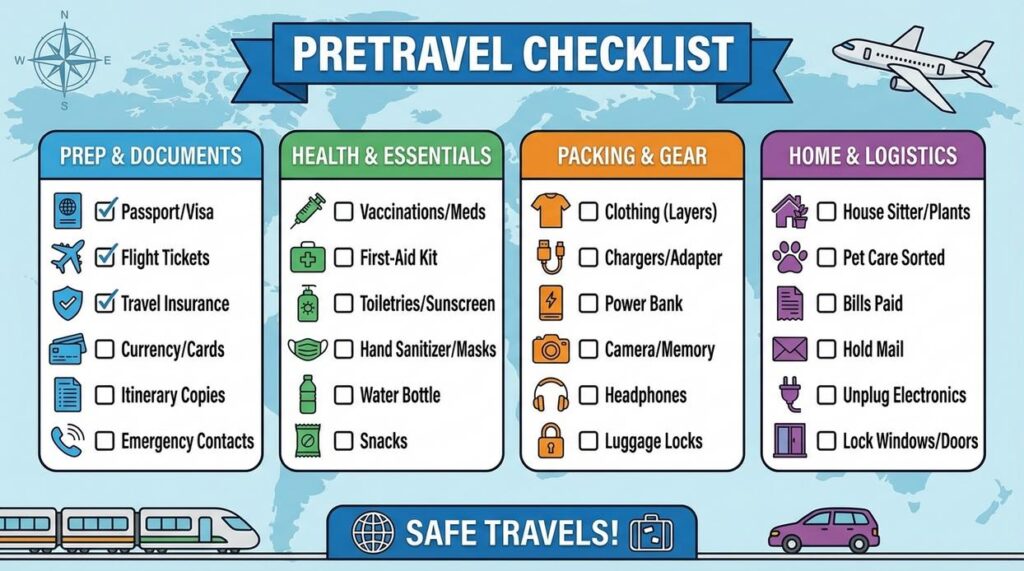
Traveling with children can feel overwhelming—especially when you’re trying to balance adventure, stability, and your child’s development on the road. If you’re searching for practical, real-world guidance on parenting while traveling, this article is designed to give you exactly that: clear strategies, adaptable routines, and travel-friendly parenting basics that actually work in motion.
We’ll explore how to create structure without sacrificing spontaneity, support healthy child development across changing environments, and establish sustainable nomadic family routines. You’ll also discover practical, on-the-go tips to handle common challenges like education, socialization, and emotional regulation while constantly moving.
Our insights are grounded in child development research, real travel-tested strategies, and proven approaches used by families who live and learn beyond traditional borders. Whether you’re planning extended travel or embracing a location-independent lifestyle, you’ll find actionable advice to help your family thrive—and even succeed at building community while traveling so your children feel connected wherever you go.
Beyond souvenir snapshots, real travel begins when you stop performing tourism and start participating. This guide tackles the outsider feeling with a FIELD-TESTED framework designed for families. You will learn to:
• Choose neighborhood markets over monuments, sparking natural conversations.
• Return to the same café, turning baristas into familiar faces.
• Invite children into local play, the fastest bridge across cultures.
Competitors mention food tours; they rarely explain building community while traveling through repeated micro-interactions. That consistency builds TRUST, not transactions. Yes, some argue sticking to highlights saves time. But depth creates belonging—and stories no postcard can hold lasting.
From Tourist to Temporary Local: The Mindset for Meaningful Travel
Ever notice how quickly travel turns into a checklist? Snap a photo. Leave a review. Move on. That customer mindset is exhausting—and locals can feel it. The foundational shift is simple: see yourself as a guest, not a buyer. A guest listens, observes, and respects house rules (even the unspoken ones).
Embrace curiosity and vulnerability. Asking, “How do you usually do this?” signals humility, not ignorance. In fact, researchers link curiosity with stronger social connection (Kashdan et al., 2018). Pretending you know everything? That’s the real faux pas.
Set intentions as a family:
- Make one new local connection daily
- Learn one phrase or tradition
- Reflect together each night
It turns building community while traveling into a game instead of a lecture (think less “Amazing Race,” more slow Sunday stroll).
Finally, patience is paramount. Meaningful moments won’t run on your itinerary. Slow down. Stay longer. Let conversations breathe.
Laying the Groundwork: Your Pre-Travel Connection Checklist
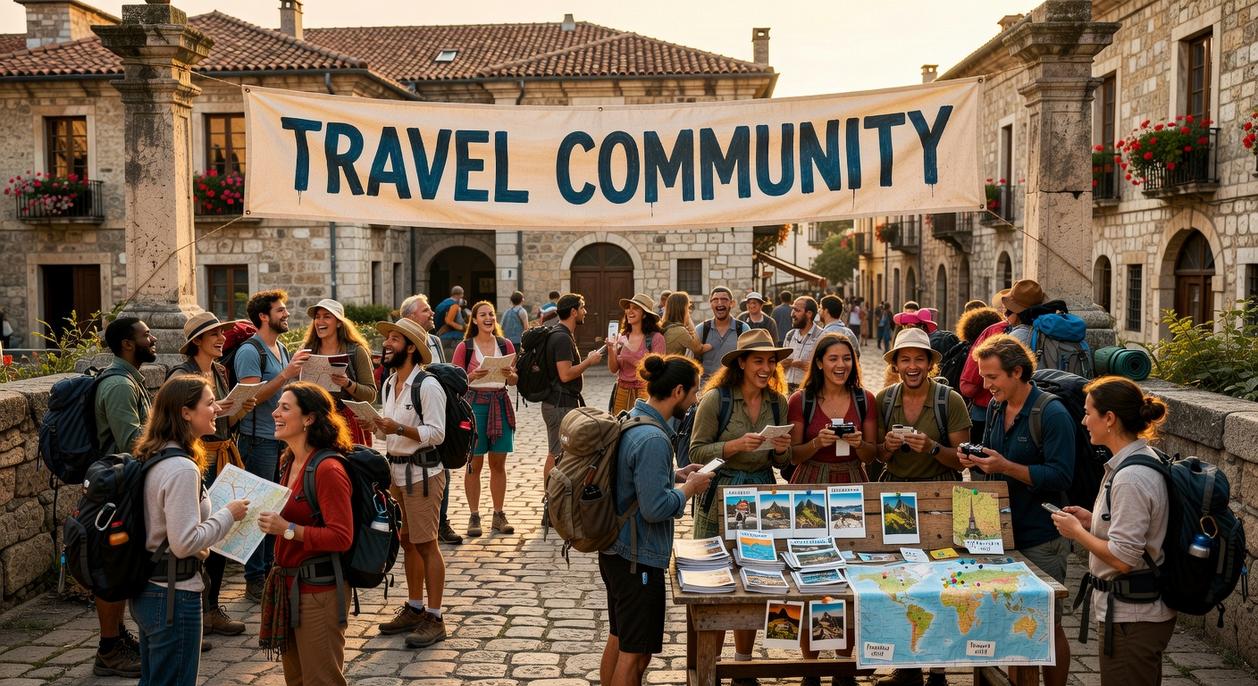
I once watched my child confidently say “hello” in halting Italian to a bakery owner in Florence. The smile we received in return? Immediate. Doors open when you try.
Before any trip, learn five essential phrases: Hello, Please, Thank you, Excuse me, and My name is… These are social lubricants—small words that ease interaction and signal respect. Linguists call this “positive politeness,” the act of showing goodwill in conversation (Brown & Levinson, 1987). Even imperfect pronunciation is appreciated (and often applauded).
Next, research cultural etiquette. Etiquette refers to accepted social norms—how people greet, dine, give gifts, or behave in public. In Japan, for example, bowing replaces handshakes; in parts of Europe, lingering at the table is expected. A quick search now prevents awkward moments later.
Find Your People Before You Go
When preparing for building community while traveling, I look up local parent groups and hobby forums. Community hubs are digital gathering spots—Facebook groups, event boards, or meetup pages—where locals organize real-life activities. It’s how we once found a family hiking day in Portugal (instant playground friends).
Finally, pack conversation starters: photos of home or a small regional keepsake. They’re gentle bridges across language gaps. For rhythm once you arrive, revisit daily schedules that keep traveling families organized.
Everyday Gateways to Authentic Culture: Where to Go and What to Do
Travel often presents a choice: curated convenience or lived reality. If you’re serious about building community while traveling, the difference matters.
Local markets vs. Supermarkets
A supermarket is efficient and familiar. A local market is alive. Vendors call out prices, neighbors swap recipes, and seasonal produce reflects what the land actually offers. Ask a farmer how to cook an unfamiliar vegetable and you’ve started a conversation that no self-checkout kiosk can match. (Yes, it may take longer. That’s the point.)
Public transportation vs. Taxis
Taxis move you quickly from A to B. Buses and trains move you through daily life. You’ll overhear school chatter, see workers heading home, and witness routines that define a place. While some argue public transit is inconvenient, it’s often the most honest classroom a traveler can step into.
Neighborhood parks vs. Tourist attractions
Attractions entertain. Parks connect. For families especially, playgrounds are universal meeting grounds. Children spark interaction naturally, and parents often follow with easy conversation. It’s community in its simplest form.
Family-run eateries vs. Tourist restaurants
Tourist spots provide predictability. Small local eateries provide personality. No English menu? Point, smile, and trust the process. You may not recognize the dish, but you’ll remember the experience.
Locally-led classes vs. Passive tours
Watching a dance performance is lovely. Learning the steps beside locals builds camaraderie faster. Shared effort turns strangers into teammates.
Homestays vs. Chain hotels
Hotels offer privacy. Homestays offer perspective. A host’s recommendation often leads to places no guidebook mentions.
The pattern is simple: comfort keeps you separate; participation draws you in. Choose accordingly.
Starting conversations respectfully begins with a smile and a greeting in the local language. This small gesture signals effort and cultural awareness, immediately setting a positive tone. Next, ask for help or recommendations. Travelers who request directions or the best nearby bakery often receive more than an answer; they gain stories and insider tips. For example, asking “What is your favorite market here?” invites richer dialogue than a simple yes-or-no question. In addition, offer a genuine compliment, such as praising a well-tended garden or beautiful craftsmanship. Sincerity matters; people sense flattery instantly. Open-ended questions keep conversations flowing, which is essential for building community while traveling. Although some argue brief exchanges are safer, respectful curiosity typically fosters trust and memorable connections. Think of it as opening a door; warmth invites warmth in return. Pro tip: learn three key phrases before arrival to demonstrate commitment and confidence. Preparation turns strangers into neighbors.
Bringing the world home doesn’t require grand gestures; it requires intentional connection. By that, we mean choosing actions that move beyond sightseeing and into shared human experience. Many families assume meaningful travel happens by chance. In reality, building community while traveling is a deliberate practice.
To simplify, focus on:
- Daily local interactions (markets, parks, neighborhood cafés)
- Shared routines that mirror home life
- Open conversations about cultural differences and similarities
This approach replaces passive tourism with active participation. The result? Children learn that “different” doesn’t mean distant—it means diverse, relatable, and deeply human. Connection, simply put, is a choice repeated daily.
Keep Your Family Thriving Wherever You Roam
You started this journey looking for practical, realistic ways to travel with your children without sacrificing their growth, stability, or your sanity. Now you have the tools—routines that travel well, strategies to support development on the move, and simple habits that create consistency no matter the destination.
Traveling as a family can feel overwhelming. The disrupted schedules, the lack of familiar support systems, the constant transitions—it’s a lot. But with the right structure and mindset, those same challenges become opportunities for resilience, confidence, and deeper connection.
The key is staying intentional. Prioritize rhythm over rigidity. Focus on shared experiences. And never underestimate the power of building community while traveling so your family feels supported wherever you land.
If you’re ready to make family travel smoother, more meaningful, and far less stressful, start implementing one routine from this guide today. Then explore more practical, travel-tested parenting strategies to strengthen your family’s foundation on the road.
Thousands of traveling parents are already using these proven approaches to raise adaptable, confident kids wherever life takes them. Don’t let uncertainty hold your family back—take the next step now and turn your travels into a thriving lifestyle.
 Founder & Lead Travel Parenting Strategist
There is a specific skill involved in explaining something clearly — one that is completely separate from actually knowing the subject. Tyvian Kelthorne has both. They has spent years working with nomadic family routines in a hands-on capacity, and an equal amount of time figuring out how to translate that experience into writing that people with different backgrounds can actually absorb and use.
Tyvian tends to approach complex subjects — Nomadic Family Routines, Helpful Reads, Child Development Strategies being good examples — by starting with what the reader already knows, then building outward from there rather than dropping them in the deep end. It sounds like a small thing. In practice it makes a significant difference in whether someone finishes the article or abandons it halfway through. They is also good at knowing when to stop — a surprisingly underrated skill. Some writers bury useful information under so many caveats and qualifications that the point disappears. Tyvian knows where the point is and gets there without too many detours.
The practical effect of all this is that people who read Tyvian's work tend to come away actually capable of doing something with it. Not just vaguely informed — actually capable. For a writer working in nomadic family routines, that is probably the best possible outcome, and it's the standard Tyvian holds they's own work to.
Founder & Lead Travel Parenting Strategist
There is a specific skill involved in explaining something clearly — one that is completely separate from actually knowing the subject. Tyvian Kelthorne has both. They has spent years working with nomadic family routines in a hands-on capacity, and an equal amount of time figuring out how to translate that experience into writing that people with different backgrounds can actually absorb and use.
Tyvian tends to approach complex subjects — Nomadic Family Routines, Helpful Reads, Child Development Strategies being good examples — by starting with what the reader already knows, then building outward from there rather than dropping them in the deep end. It sounds like a small thing. In practice it makes a significant difference in whether someone finishes the article or abandons it halfway through. They is also good at knowing when to stop — a surprisingly underrated skill. Some writers bury useful information under so many caveats and qualifications that the point disappears. Tyvian knows where the point is and gets there without too many detours.
The practical effect of all this is that people who read Tyvian's work tend to come away actually capable of doing something with it. Not just vaguely informed — actually capable. For a writer working in nomadic family routines, that is probably the best possible outcome, and it's the standard Tyvian holds they's own work to.