Traveling with kids sounds magical—until you’re juggling nap schedules in airports, hunting for healthy meals on the road, and trying to keep routines intact across time zones. If you’re searching for practical, real-world guidance on making family travel sustainable, enriching, and manageable, you’re in the right place.
This article is designed to help parents navigate digital nomad family life with confidence. From travel-friendly parenting basics and child development considerations to building consistent routines while constantly on the move, we break down what actually works (and what doesn’t). Whether you’re planning extended world travel or simply want smoother trips with your children, you’ll find actionable strategies you can apply immediately.
Our guidance is grounded in hands-on experience, research-backed child development principles, and proven nomadic family routines that prioritize both adventure and stability. You’ll walk away with clear, practical tips to help your family thrive—wherever the journey takes you.
The Modern Family Blueprint
I believe the boldest decision a parent can make is choosing presence over permanence. Blending remote work with full-time travel sounds reckless to some, but I see it as intentional. The so-called digital nomad family life forces you to design rhythms instead of drifting. Deadlines still exist, homework still matters, and meltdowns still happen (airports are undefeated). The difference is that you build stability through routines, clear expectations, and shared adventure.
In my view, kids gain resilience faster on the road than in predictable suburbs. Structure travels well when you protect sleep, learning, and honest conversations.
Crafting Your Nomadic Routine: The Anchor in a Sea of Change
Airports hum. Suitcases zip. New bedrooms smell faintly of detergent or sea salt. For kids, that constant shift can feel thrilling—and unsettling. That’s why a routine isn’t restrictive; it’s an anchor. In the swirl of digital nomad family life, predictability tells a child’s nervous system, you’re safe here too.
The “Anchor Points” Method
Anchor points are fixed rituals that travel with you, no matter the timezone.
- Morning check-ins over oatmeal or croissants, naming one feeling and one plan for the day
- Dedicated learning time at the same hour, even if it’s at a wooden café table
- Evening read-alouds, the familiar cadence of a favorite story softening unfamiliar shadows
Child development research shows consistent routines support emotional regulation and secure attachment, especially during transition (American Academy of Pediatrics, 2018). While some argue that travel alone builds resilience, resilience without stability can tip into stress. Routine is what makes adventure sustainable.
Balancing Work and Family Time
Time-blocking creates clarity. Try:
- Two daily “deep work” windows (noise-canceling headphones on = do not disturb)
- A visible schedule so kids can see when you’re available
- A short reconnection ritual after work—walks, shared snacks, barefoot beach time
(Pro tip: set a gentle timer your child can hear. When it dings, they know you’re theirs.)
A Sample Weekly Flow
Mornings: Learning + focused work
Afternoons: Exploration—markets, museums, muddy trails
Evenings: Family dinner + read-aloud
One full day: No agenda, just rest
Structure doesn’t shrink freedom. It makes room for it.
Worldschooling 101: Education Beyond the Classroom Walls
“Wait, so this counts as school?” a curious parent once asked while watching her child sketch the Colosseum.
“Yes,” another worldschooling mom laughed. “This is school.”
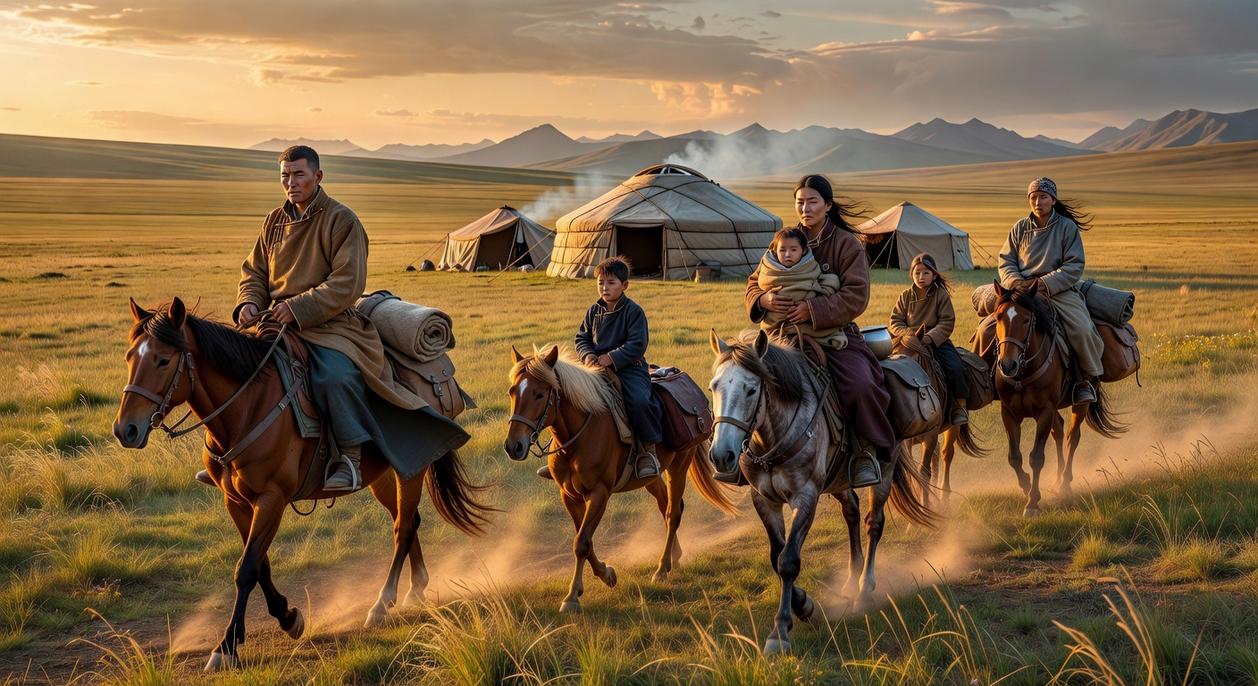
Worldschooling is a form of education that replaces traditional classroom-based instruction with location-based, experiential learning—meaning kids learn through direct experience in the real world. Instead of memorizing dates from a textbook, they stand where history happened. Research shows experiential learning improves retention and critical thinking (Kolb, 1984). In other words, kids remember what they live.
Of course, critics argue children need structured classrooms for “real” academic rigor. That’s fair. Structure matters. However, structure doesn’t require four walls. It requires intention.
So how do you make it practical?
- Turn places into projects. At Roman ruins, ask: “Why did this empire fall?” Then compare it to modern governments.
- Use markets for math. “If mangoes cost 3 euros each, how much for five?” a dad prompts. His son replies, “Fifteen!” (Negotiation skills included.)
- Document learning. Journals, blogs, or short videos reinforce comprehension.
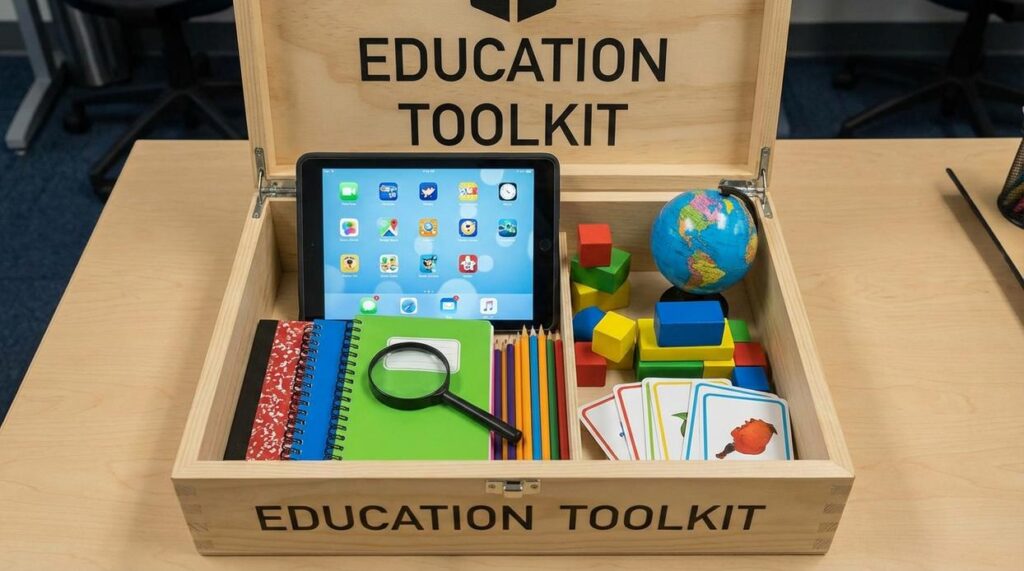
Meanwhile, digital tools keep things balanced. Platforms like Khan Academy and Outschool offer structured lessons, while portable project kits encourage STEM exploration on the go.
Then comes the big question: socialization. “Don’t they get lonely?” someone inevitably asks. Not if you’re intentional. Join co-ops, enroll in local art or language classes, and prioritize building community connections as a nomadic family: https://nitkatraveling.com/building-community-connections-as-a-nomadic-family/
Ultimately, worldschooling blends freedom with focus. In digital nomad family life, the world isn’t a distraction from education—it’s the curriculum itself.
The Logistics of Location Independence: Packing, Planning, and Staying Connected
Packing Philosophy: One Bag, More Freedom
The “one bag per person” rule isn’t minimalist theater; it’s logistics backed by data. According to the International Air Transport Association, mishandled baggage affected over 26 million bags globally in 2022. Fewer bags mean fewer problems (and fewer airport sprints). Choose versatile items: merino wool layers that regulate temperature, neutral clothing that mixes easily, and collapsible daypacks. For kids, think multi-use—sneakers that handle playgrounds and light hikes, tablets that double as school tools and entertainment.
Some argue families need more “just in case” gear. But seasoned travelers consistently report that overpacking increases stress and mobility costs. In digital nomad family life, agility is currency.
Choosing Your Destination With Data
Not all paradises are practical. The Global Peace Index ranks countries by safety, while Numbeo provides cost-of-living comparisons. Internet reliability matters too: Speedtest Global Index data shows average broadband speeds vary dramatically—Portugal and South Korea far outpace many developing nations. Healthcare? The WHO’s health system rankings and expat insurance reports offer measurable benchmarks.
A simple framework:
- Safety ranking and political stability
- Affordable short-term rentals
- Average internet speeds above 50 Mbps
- Access to reputable hospitals within 30 minutes
(Pro tip: Join local expat forums to validate what statistics can’t—like neighborhood nuances.)
Tech That Actually Works
Remote work studies from Owl Labs show 16% of companies are now fully remote, making reliable gear essential. Portable monitors increase productivity by up to 42% in multitasking environments (University of Utah study). Global hotspots with eSIM backup reduce downtime. For kids, durable tablets and audiobook subscriptions encourage literacy—Scholastic reports 80% of children who listen to audiobooks show improved vocabulary.
Finally, slow travel wins. Longer stays reduce visa stress and housing turnover costs, while research in developmental psychology shows stable routines improve children’s emotional regulation. Move less. Experience more. (Your future self will thank you.)
Dreams are easy to romanticize, especially when they involve passports and wide‑eyed kids. But turning travel into a lifestyle takes more than wanderlust. In my opinion, the magic happens when you stop treating trips like escapes and start building systems that make them sustainable.
First, anchor your weeks with routines that travel with you. Morning rituals, shared meals, consistent learning blocks—these are the quiet glue of digital nomad family life. Then, embrace flexible education; after all, museums and markets can teach as much as textbooks (sometimes more).
Of course, critics argue kids need one stable home base. I disagree. Stability is about presence, not postal codes. With thoughtful planning and clear expectations, children adapt remarkably well.
So, what if you planned your first anchor point this month? Start small, adjust often, and treat logistics like a skill to master. The world will meet you halfway. And keep going forward.
Embracing the Journey Together
You came here looking for clarity on how to make travel work with kids—without sacrificing their growth, your sanity, or your sense of adventure. Now you have practical strategies, flexible routines, and confidence-building tools to make family travel not just possible, but deeply rewarding.
The biggest challenge with digital nomad family life isn’t the flights or the packing lists. It’s the fear of disrupting your child’s stability, education, and development. But with thoughtful planning, consistent rhythms, and intentional connection, travel becomes the very thing that strengthens your family bond and expands your child’s world.
The next step is simple: start small and stay consistent. Build a portable routine. Prioritize connection over perfection. Choose destinations that support both exploration and downtime. Most importantly, commit to creating a lifestyle that aligns with your family’s values instead of default expectations.
If you’re ready to reduce stress, create smoother travel days, and raise adaptable, culturally aware kids, explore more of our proven strategies and step-by-step guides. Families trust our resources because they’re practical, experience-driven, and built for real life on the move.
Your family doesn’t have to choose between stability and adventure. Start building your travel rhythm today and turn your journey into a lifestyle that truly works.
 Child Development & Nomadic Lifestyle Advisor
There is a specific skill involved in explaining something clearly — one that is completely separate from actually knowing the subject. Madeleine Klecknerona has both. They has spent years working with helpful reads in a hands-on capacity, and an equal amount of time figuring out how to translate that experience into writing that people with different backgrounds can actually absorb and use.
Madeleine tends to approach complex subjects — Helpful Reads, Daily Parenting Highlights, Child Development Strategies being good examples — by starting with what the reader already knows, then building outward from there rather than dropping them in the deep end. It sounds like a small thing. In practice it makes a significant difference in whether someone finishes the article or abandons it halfway through. They is also good at knowing when to stop — a surprisingly underrated skill. Some writers bury useful information under so many caveats and qualifications that the point disappears. Madeleine knows where the point is and gets there without too many detours.
The practical effect of all this is that people who read Madeleine's work tend to come away actually capable of doing something with it. Not just vaguely informed — actually capable. For a writer working in helpful reads, that is probably the best possible outcome, and it's the standard Madeleine holds they's own work to.
Child Development & Nomadic Lifestyle Advisor
There is a specific skill involved in explaining something clearly — one that is completely separate from actually knowing the subject. Madeleine Klecknerona has both. They has spent years working with helpful reads in a hands-on capacity, and an equal amount of time figuring out how to translate that experience into writing that people with different backgrounds can actually absorb and use.
Madeleine tends to approach complex subjects — Helpful Reads, Daily Parenting Highlights, Child Development Strategies being good examples — by starting with what the reader already knows, then building outward from there rather than dropping them in the deep end. It sounds like a small thing. In practice it makes a significant difference in whether someone finishes the article or abandons it halfway through. They is also good at knowing when to stop — a surprisingly underrated skill. Some writers bury useful information under so many caveats and qualifications that the point disappears. Madeleine knows where the point is and gets there without too many detours.
The practical effect of all this is that people who read Madeleine's work tend to come away actually capable of doing something with it. Not just vaguely informed — actually capable. For a writer working in helpful reads, that is probably the best possible outcome, and it's the standard Madeleine holds they's own work to.