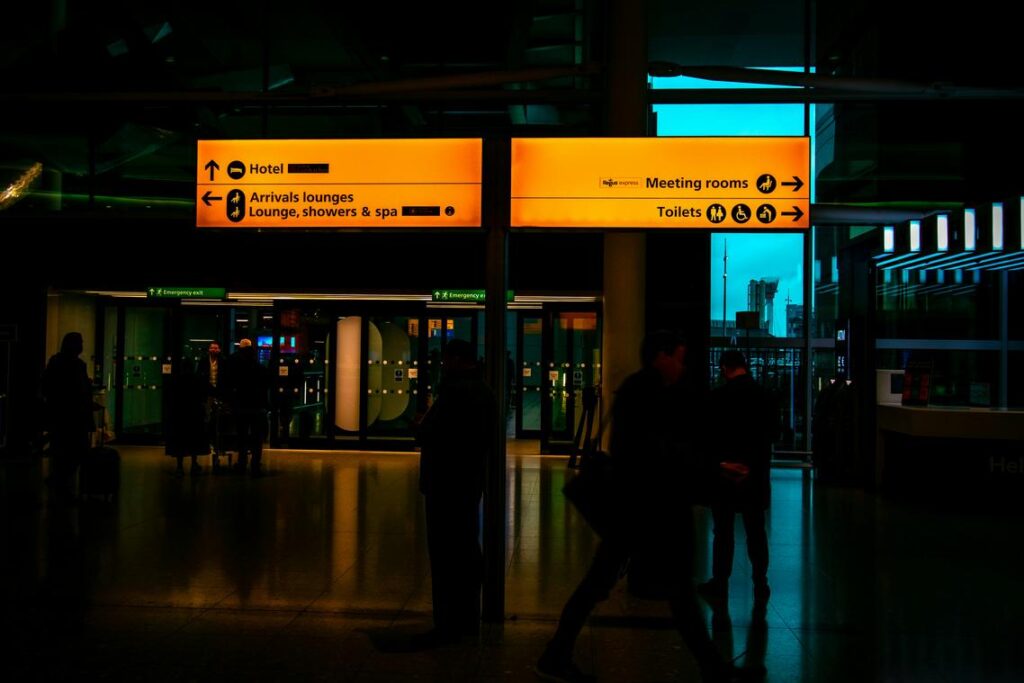

Traveling with children changes everything—and if you’re here, you’re likely looking for practical, real-world guidance that makes family travel smoother, safer, and more meaningful. Whether you’re planning a short getaway or embracing a long-term nomadic lifestyle, this article is designed to give you clear, experience-backed strategies you can actually use.
We’ll walk through travel-friendly parenting basics, smart routines for life on the move, child development considerations while traveling, and essential family travel safety tips to help you feel confident wherever you land. Instead of generic advice, you’ll find actionable insights drawn from hands-on experience, research in child development, and tested on-the-road systems that support both parents and kids.
If your goal is to raise adaptable, curious children without sacrificing structure, safety, or sanity, you’re in the right place. Let’s break down exactly how to make traveling as a family not just possible—but sustainable and rewarding.
Traveling with kids can feel like starring in Home Alone—minus the slapstick, plus the snacks. When the what-ifs start playing like a Taylor Swift bridge in your head, it’s time for a plan. This guide delivers practical family travel safety tips that turn panic into preparation. From airport routines to hotel check-ins, we map out simple systems:
- Clear meeting points
- Emergency contact cards
Think of it as your family’s Avengers protocol (assembled before takeoff). You’ll leave with a checklist so thorough even Hermione would approve—confident, calm, and ready for adventure. Memories first, meltdowns managed. Joy over jitters, always.
Phase 1: Proactive Planning Before You Pack
Preparation is the difference between a smooth family adventure and a frantic call to the front desk at midnight. Think of this phase as building your safety net before you ever zip a suitcase.
Research Your Destination Like a Pro: Don’t rely solely on glossy travel blogs. Check official government travel advisories, confirm local emergency numbers (911 isn’t universal), and pin nearby hospitals or English-speaking clinics on your map. Knowing where to go in an emergency saves precious minutes. It’s one of those family travel safety tips that feels excessive—until it isn’t.
Create a “Digital Safety Pouch”: Scan passports, birth certificates, visas, and insurance cards. Store them in a secure cloud folder and share access with a trusted person back home. If a document is lost or stolen, you won’t be scrambling.
The Family Communication Plan: Establish clear “what if” rules. Choose a visible meeting point at every location. Younger kids should practice saying a parent’s full name and phone number. Older kids can carry a small contact card. What would your child do if you got separated in a busy market?
Medical Preparedness: Pack a tailored first-aid kit with child-specific medications, allergy details, and prescriptions. Bring a doctor’s note for essential meds to avoid airport hiccups.
Accommodation Vetting: Read reviews mentioning safety features like 24-hour reception, secure access, and ground-floor options for toddlers. Pro tip: message hosts directly with safety questions—you’ll learn a lot from how they respond.
Phase 2: Staying Secure While in Transit
Travel days can feel like a real-life obstacle course (minus the game show prize). The key is preparation—and a little humor to keep everyone sane.
Airport & Flight Savvy: Dress kids in bright, distinctive clothing so they’re easy to spot in a sea of neutral carry-ons. Write your phone number on their arm or a wristband (temporary tattoos work wonders). For long flights, use FAA-approved child restraint systems—because turbulence is not the time for surprise gymnastics. And no solo restroom trips. Airports are magical, but not that magical.
Rental Car & Road Trip Rules: Always use age-appropriate car seats or boosters, even for short taxi rides. Never leave children unattended in a vehicle, not even for a minute. Heatstroke can occur within 10 minutes in warm conditions (CDC). Pre-plan routes to avoid late-night drives in unfamiliar areas—because nothing says stress like missed exits at midnight.
- Public Transportation Awareness: Create a buddy system in crowded spaces.
- Keep valuables tucked away.
- Hold hands and stand clear of platform edges.
For more family travel safety tips and sanity-saving strategies, explore keeping kids entertained while traveling screen free ideas: https://nitkatraveling.com/keeping-kids-entertained-while-traveling-screen-free-ideas/.
Pro tip: Do a quick safety “huddle” before boarding—like a tiny team meeting, minus the corporate jargon.
Phase 3: Thriving Safely at Your Destination

Arriving should feel like a reward, not the moment you let your guard down. This is where smart preparation turns into confident action.
The Hotel Room Sweep
Before anyone jumps on the beds, do a five-minute scan. Check that windows lock securely, balconies latch firmly, and cleaning supplies are stored out of reach. Look for loose cords, unstable furniture, and uncovered outlets. A quick sweep reduces preventable risks in unfamiliar spaces. Many hotels meet safety standards, but standards vary globally (World Tourism Organization notes safety regulations differ widely by country). The benefit? Peace of mind before you unpack.
Pool & Water Safety Is Non-Negotiable
Drowning is fast and silent, often occurring in under two minutes (CDC). Never assume lifeguards are solely responsible. Designate a “Water Watcher”—one adult whose only task is active supervision. Rotate every 15–20 minutes to prevent distraction fatigue (yes, even on vacation). This simple system transforms chaos into clarity.
Navigating Crowds and Attractions
Theme parks and festivals are sensory overload (think Home Alone, but less funny). Use visible landmarks so children can reorient themselves. Rehearse your separation plan. GPS trackers designed for kids provide real-time location data, which is especially helpful in high-traffic venues. The feature? Live tracking. The benefit? Faster reunions and less panic.
Food & Water Discipline
Stick to bottled water where tap safety is uncertain (WHO recommends caution in developing regions). Choose busy food vendors with high turnover—freshness matters. Introduce new foods gradually to monitor allergies. These family travel safety tips protect health without limiting cultural experiences.
The Modern Safety Net: Tech and Communication
Staying connected isn’t a luxury while traveling with kids—it’s a safety layer. Local SIM Cards & Connectivity: Ensure at least one parent’s phone has a working local SIM or international plan for constant connectivity and access to maps/emergency services. According to GSMA data, over 95% of the global population is covered by mobile broadband, making reliable access more feasible than ever.
Setting Digital Boundaries: Public Wi-Fi can expose users to cyber risks; the FTC warns unsecured networks increase data theft incidents. Remind teens not to post real-time locations (oversharing can invite real-world risks).
Family Check-in Routine: A simple daily touchpoint reinforces family travel safety tips and builds consistency—something child development experts link to reduced anxiety in new environments.
Last summer in Lisbon, I realized something important: safety works best when it becomes routine. At first, I double-checked every door, every passport, every snack bag. However, once I created a simple “Digital Safety Pouch”—secure cloud copies of IDs and itineraries—my anxiety eased. That small step changed everything. Instead of reacting to problems, we planned ahead. Gradually, those habits blended into our adventures, much like buckling seatbelts without thinking. Some argue constant preparation dampens spontaneity. I disagree; thoughtful family travel safety tips actually create freedom. So, start with one system, then build confidence trip by trip. It truly does.
Keep Your Family’s Adventures Safe and Stress-Free
You set out looking for practical ways to make traveling with your kids smoother, safer, and more enjoyable. Now you have the tools to build stronger routines, support your child’s development on the road, and travel with greater confidence.
Traveling as a family can feel overwhelming—unexpected meltdowns, safety concerns, disrupted schedules, and the constant worry about whether you’re doing it “right.” But with the right preparation and family travel safety tips, those stress points become manageable. Instead of chaos, you create connection. Instead of anxiety, you build resilience and unforgettable memories.
The next step is simple: put what you’ve learned into action. Start planning your next trip with intention. Create a flexible routine, prioritize safety, and prepare your kids for the journey ahead.
If you want trusted, practical guidance that makes traveling with kids easier—not harder—explore more of our expert-backed resources today. Join thousands of traveling parents who are turning stressful trips into confident, meaningful family adventures. Start planning smarter now.
 Family Travel Content Strategist
There is a specific skill involved in explaining something clearly — one that is completely separate from actually knowing the subject. Morris Spearodeso has both. They has spent years working with nomadic family routines in a hands-on capacity, and an equal amount of time figuring out how to translate that experience into writing that people with different backgrounds can actually absorb and use.
Morris tends to approach complex subjects — Nomadic Family Routines, Child Development Strategies, On-the-Go Parenting Tips being good examples — by starting with what the reader already knows, then building outward from there rather than dropping them in the deep end. It sounds like a small thing. In practice it makes a significant difference in whether someone finishes the article or abandons it halfway through. They is also good at knowing when to stop — a surprisingly underrated skill. Some writers bury useful information under so many caveats and qualifications that the point disappears. Morris knows where the point is and gets there without too many detours.
The practical effect of all this is that people who read Morris's work tend to come away actually capable of doing something with it. Not just vaguely informed — actually capable. For a writer working in nomadic family routines, that is probably the best possible outcome, and it's the standard Morris holds they's own work to.
Family Travel Content Strategist
There is a specific skill involved in explaining something clearly — one that is completely separate from actually knowing the subject. Morris Spearodeso has both. They has spent years working with nomadic family routines in a hands-on capacity, and an equal amount of time figuring out how to translate that experience into writing that people with different backgrounds can actually absorb and use.
Morris tends to approach complex subjects — Nomadic Family Routines, Child Development Strategies, On-the-Go Parenting Tips being good examples — by starting with what the reader already knows, then building outward from there rather than dropping them in the deep end. It sounds like a small thing. In practice it makes a significant difference in whether someone finishes the article or abandons it halfway through. They is also good at knowing when to stop — a surprisingly underrated skill. Some writers bury useful information under so many caveats and qualifications that the point disappears. Morris knows where the point is and gets there without too many detours.
The practical effect of all this is that people who read Morris's work tend to come away actually capable of doing something with it. Not just vaguely informed — actually capable. For a writer working in nomadic family routines, that is probably the best possible outcome, and it's the standard Morris holds they's own work to.