

Parenting advice can feel overwhelming, especially when every expert seems to offer a new, complex roadmap for raising thriving children. For busy parents balancing home life, work, and time on the move, keeping up with detailed development plans can quickly become unrealistic. This guide simplifies the process by offering practical, powerful daily parenting tips that fit naturally into your routine—no matter where you are. A child’s growth isn’t shaped by grand, elaborate efforts, but by small, consistent moments of connection and discovery. These ideas require no special tools—just your presence, intention, and a willingness to grow together one day at a time.
The Morning Spark: Igniting Curiosity from Sunrise
Mornings set the emotional thermostat for the entire day. In my experience, a gentle spark of curiosity works better than barking reminders. Start with a “Question of the Day” breakfast. Ask something open-ended like, “If you could design a new animal, what would it be?” Suddenly, cereal becomes a creativity lab. Open-ended means there is no single correct answer, which builds critical thinking instead of performance pressure.
Next, weave in a sensory wake-up call. As you move through brushing teeth and pulling on socks, describe the cool splash of water or the buttery smell of toast. Sensory language—words that describe sight, sound, smell, taste, and touch—strengthens vocabulary and mindfulness at the same time.
Then pause for a two-minute weather watch. Notice the silver clouds or the sharp bite of wind. Observation skills grow through tiny, repeated habits (yes, even when you’re late). For more structure, explore how to create a calm and productive morning routine with kids.
Some parents argue mornings should be strictly efficient. I disagree. A little wonder is practical. It turns routine into connection—and that’s one of those daily parenting tips that actually sticks. Trust me, it truly changes everything.
Adventures in the Everyday: Turning Outings into Learning
Last Tuesday, what should have been a five-minute grocery run turned into a full-blown treasure hunt. My child was tired, I was rushed, and the checkout line looked like it belonged in a theme park. So I tried something different. I whispered, “Mission time.” Instantly, the mood shifted.
First up: the “errand mission.” I asked for three red items and something that started with the letter “B.” Suddenly, the cereal aisle became a puzzle. This kind of categorization—grouping items by color or letter—builds early literacy and cognitive sorting skills (skills linked to later reading success, according to the National Reading Panel). More importantly, it keeps little minds busy while you compare prices.
Then, as we walked to the car, we played a Sound Scavenger Hunt. A bird chirping. A cart rattling. A car door slamming. Auditory processing—the brain’s ability to interpret sounds—is strengthened when children actively identify and differentiate noises (American Speech-Language-Hearing Association). And honestly, it made us both more present.
Meanwhile, narrating our journey has become second nature. “We’re turning left at the big blue sign. That means we’re close to home.” Spatial awareness—understanding where you are in relation to objects—develops through language and repetition. It’s like being your child’s personal podcast host (minus the sponsorship deals).
Some parents argue outings should just be errands. I get that. We’re busy. Still, layering in playful learning doesn’t require extra time—just intention.
If you enjoy practical daily parenting tips, start with your next trip outside. The world is already the classroom.
The Quiet Moments: Cultivating Independence and Emotion
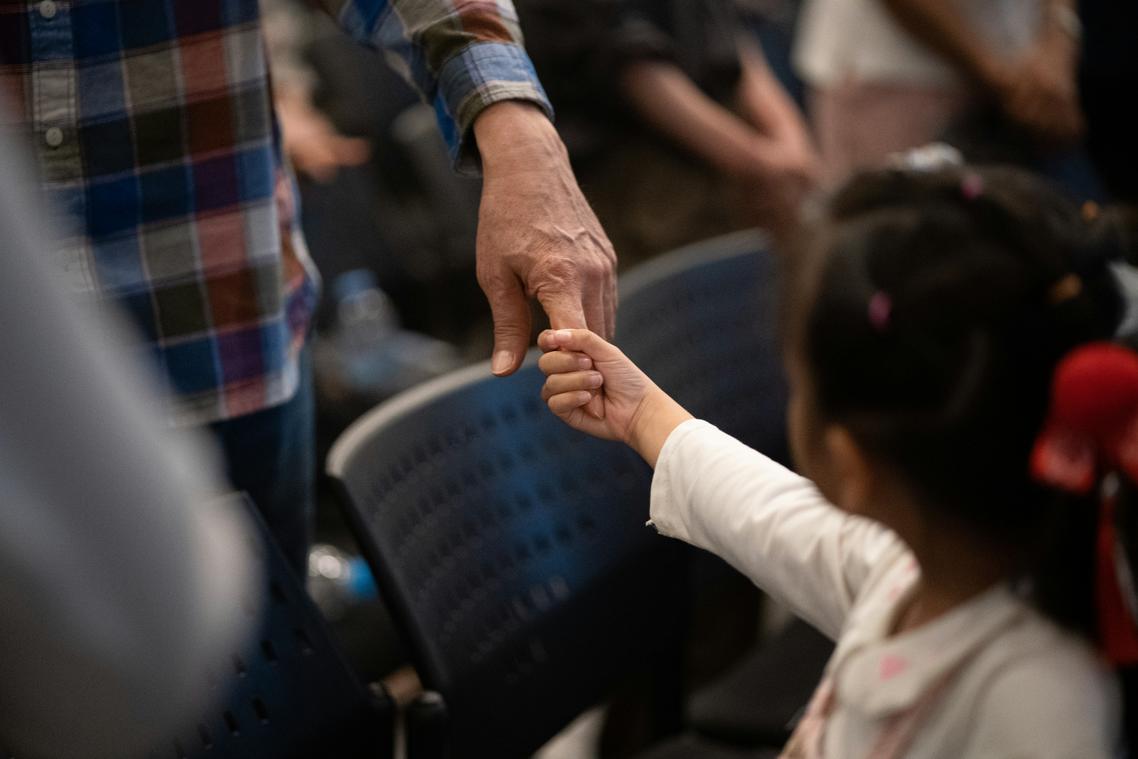
There’s a big difference between entertaining a child and equipping a child. One creates short-term calm; the other builds long-term capability (and yes, those are not the same thing).
Take the Emotion Check-In. Option A: distract them when they’re upset. Option B: pause and ask, “How is your heart feeling right now?” Using a feelings wheel or simple face drawings helps them name emotions like frustration, excitement, or worry. Research shows that labeling emotions strengthens emotional regulation skills (American Psychological Association). In other words, feelings named are feelings tamed.
Then there’s the Invention Box. A tablet offers instant entertainment. A small bag with a ribbon, smooth stone, and clothespin offers possibility. When children build a “rocket ship” or invent a story from random objects, they practice divergent thinking—a key predictor of creativity (Harvard Graduate School of Education). Pro tip: rotate items occasionally to spark fresh ideas.
Finally, consider problem-solving. Option A: rebuild the fallen block tower. Option B: ask, “What’s another way we could try that?” This small shift builds resilience instead of dependence.
These are daily parenting tips in the section once exactly as it is given. Small pauses. Big growth. (And fewer “fix-it-now” moments for you.)
Evening Connection: Winding Down with Purpose
Evenings can feel like a race to bedtime—or they can become a ritual. The difference is intention.
Option A: Screens and silence. Kids decompress alone, parents scroll, and everyone “rests” separately.
Option B: Shared reflection and imagination. Connection happens in small, meaningful moments.
Consider the Rose and Thorn recap. Each person shares a “rose” (best part of the day) and a “thorn” (a challenge). It’s simple, but powerful. Reflection builds emotional literacy—the ability to name and understand feelings (a skill linked to stronger social outcomes, according to CASEL). It also models empathy (yes, even toddlers start to get it).
Then compare that to a collaborative bedtime story. One prompt, one sentence at a time. Creativity becomes interactive instead of passive. Think campfire energy—minus the mosquitoes.
- Rose and Thorn = emotional awareness
- Collaborative Story = imaginative confidence
Pro tip: Keep it under 10 minutes to avoid overtired meltdowns.
Small, consistent rituals like these double as daily parenting tips that travel well—no props required, just presence.
Your Blueprint for Nurturing Growth, Anywhere
You don’t need a rigid schedule or a house full of toys to raise a thriving child. What matters most is your presence and connection. The simplest daily parenting tips often create the biggest impact because they’re small, consistent, and flexible enough to fit any lifestyle—whether you’re at home or on the move.
By turning ordinary moments into opportunities for growth, you’re building a strong, secure foundation your child will carry for life. Start simple. Choose just one tip to try tomorrow. One intentional moment is all it takes to begin.
 Child Development & Nomadic Lifestyle Advisor
There is a specific skill involved in explaining something clearly — one that is completely separate from actually knowing the subject. Madeleine Klecknerona has both. They has spent years working with helpful reads in a hands-on capacity, and an equal amount of time figuring out how to translate that experience into writing that people with different backgrounds can actually absorb and use.
Madeleine tends to approach complex subjects — Helpful Reads, Daily Parenting Highlights, Child Development Strategies being good examples — by starting with what the reader already knows, then building outward from there rather than dropping them in the deep end. It sounds like a small thing. In practice it makes a significant difference in whether someone finishes the article or abandons it halfway through. They is also good at knowing when to stop — a surprisingly underrated skill. Some writers bury useful information under so many caveats and qualifications that the point disappears. Madeleine knows where the point is and gets there without too many detours.
The practical effect of all this is that people who read Madeleine's work tend to come away actually capable of doing something with it. Not just vaguely informed — actually capable. For a writer working in helpful reads, that is probably the best possible outcome, and it's the standard Madeleine holds they's own work to.
Child Development & Nomadic Lifestyle Advisor
There is a specific skill involved in explaining something clearly — one that is completely separate from actually knowing the subject. Madeleine Klecknerona has both. They has spent years working with helpful reads in a hands-on capacity, and an equal amount of time figuring out how to translate that experience into writing that people with different backgrounds can actually absorb and use.
Madeleine tends to approach complex subjects — Helpful Reads, Daily Parenting Highlights, Child Development Strategies being good examples — by starting with what the reader already knows, then building outward from there rather than dropping them in the deep end. It sounds like a small thing. In practice it makes a significant difference in whether someone finishes the article or abandons it halfway through. They is also good at knowing when to stop — a surprisingly underrated skill. Some writers bury useful information under so many caveats and qualifications that the point disappears. Madeleine knows where the point is and gets there without too many detours.
The practical effect of all this is that people who read Madeleine's work tend to come away actually capable of doing something with it. Not just vaguely informed — actually capable. For a writer working in helpful reads, that is probably the best possible outcome, and it's the standard Madeleine holds they's own work to.