You’re about to go on vacation. Your living room looks like a tornado hit: clothes everywhere, kids running wild, and you’re already stressed. Sound familiar?
Family trips can quickly shift from exciting adventures to chaotic nightmares. Why? Disorganized plans, unmet expectations, and little ones with endless energy.
But how do you take control?
I’ve got years of traveling with kids (believe me, I’ve seen it all). That’s why I crafted a solution: a full family travel handbook. This isn’t just another guide; it’s your central command center.
For parents, it’s about clear plans. For kids, it’s an exciting adventure guide.
In this article, I’ll show you how to build this handbook. With it, your family vacation can transform from stressful to serene. Ready for a smoother trip?
Let’s get started.
Vacation Handbook: Your Secret Travel Weapon
Traveling with family can feel like herding cats. a vacation handbook comes in as your secret weapon. It’s not just an organizational tool; it’s a proactive parenting plan. Picture this: Instead of endless “Are we there yet?” chants, you hand over a guide with a visual timeline.
Kids can follow it like a treasure map, and suddenly, the journey is an adventure.
Centralizing your travel details. Flight numbers, hotel addresses (frees) up your mental energy. You’re not just managing chaos; you’re actually there, living in the moment. (Yes, even with kids!)
Let’s talk peace of mind. Having both digital and physical copies of important documents and emergency plans ensures you’re prepared for the unexpected. Remember Home Alone?
You don’t want a Kevin situation on your hands.
The goal is predictability and control, especially key for kids in new places. It’s a meltdown deterrent. Plus, when kids have a sense of control, everyone’s anxiety takes a hike.
Need more tips? Check out top blogs for traveling parents. These family travel guidebooks might just save your sanity or at least help you hold onto it another day.
Your Travel Command Center: For Parents Only
Let’s talk about the logistical heart of your family travel guidebooks. It’s not just a list. It’s your lifeline.
Ever been stuck without a key document on vacation? Nightmare. That’s why this section’s important.
First up, Key Documents & Contacts. You need scans or photos of passports, driver’s licenses, birth certificates, and both sides of credit cards. Trust me, you’ll thank yourself later.
And don’t forget those important contacts. Your pediatrician, the local embassy, and family back home. Those numbers?
Keep them close.
Next, Itinerary & Reservations. You want confirmation numbers for everything (flights,) hotels, rental cars, tours. Think of it as your personal safety net.
Plus, a loose daily outline helps. Flexibility is key. Plans change (especially with kids), so don’t carve it in stone.
Still, it’s a guide.
On to Medical Information. This is more than important; it’s non-negotiable. Include health insurance details, known allergies, current meds (with dosages), and any key medical history for each family member.
It might sound like overkill, but in an emergency, it’s a lifesaver. Literally.
Now, Budget & Finances. Keep it simple. Track expenses in your guidebook and note which credit cards are best for your trip’s location.
Remember to inform your bank about your travel dates. Nobody likes a frozen card.
When it comes to preparation, think of this section as your secret weapon. It’s a lot, sure, but getting it together makes travel smoother and less stressful. Need more advice on planning?
Check out the best books for a deeper dive.
In the end, this isn’t just paperwork. It’s peace of mind. When you’re on the go with kids, that’s priceless.
Fun for Kids: Building Excitement and Setting Expectations
When it comes to family travel, getting the kids excited is key. Otherwise, you’ll probably hear “Are we there yet?” a thousand times. So, what’s the secret sauce?
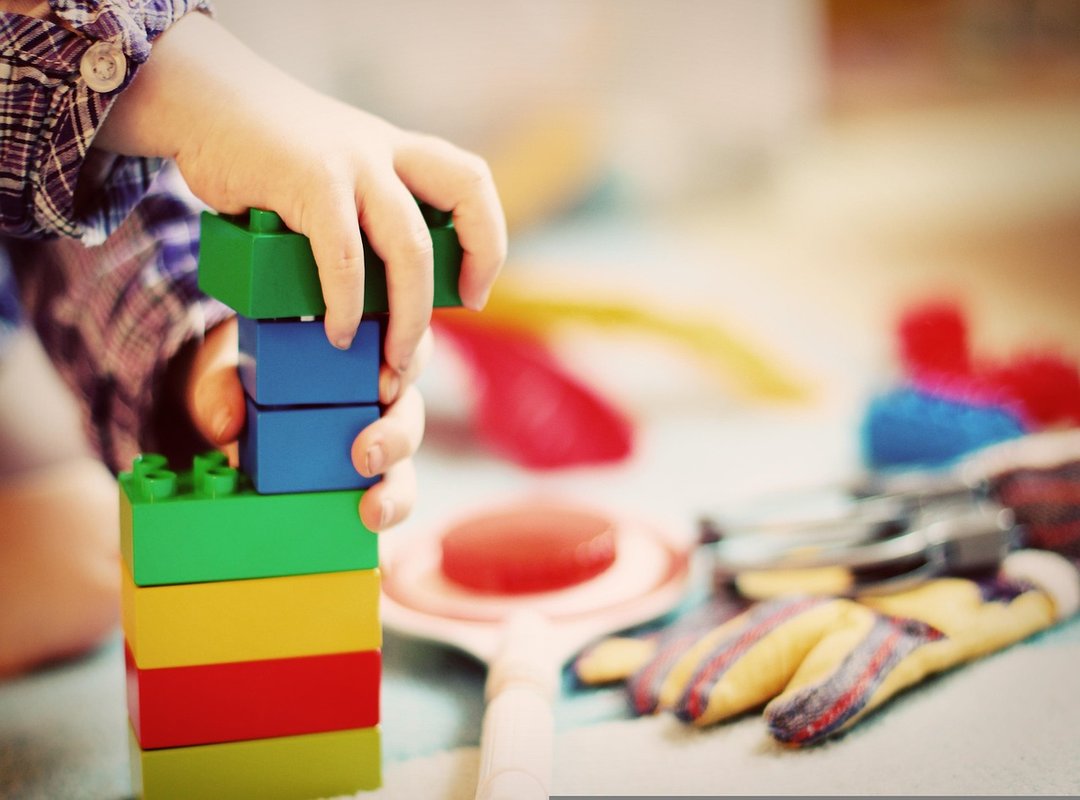
A family travel guidebook. Tailored to each age group.
For toddlers and preschoolers (ages 2-5), it’s all about the visuals. They love pictures, right? I recommend creating a picture-based schedule.
Start with a photo of an airplane, then a hotel, and finally a beach. Toss in some familiar items like a favorite toy or snack. This makes the trip feel less like a mystery and more like an adventure they can see.
Now, let’s talk about young kids (ages 6-10). These little explorers need more details. Introduce them to simple maps of your destination.
Trust me, they’ll love being the “navigator.” Give them a packing checklist. Nothing too overwhelming. Maybe three or four must-bring items.
Add fun facts about the location. Did you know the Eiffel Tower grows in summer? Stuff like that sticks.
How about a scavenger hunt? Include stuff they might see, like a red bicycle or a yellow taxi.
Tweens and teens (ages 11+)? Different ball game. They crave ownership.
Let them help plan one part of the trip, like selecting a restaurant or an activity. It’s all about responsibility and freedom. Outline screen time rules upfront (no one likes surprises).
Clarify their trip duties. Maybe taking photos or managing snacks. You’ll avoid drama, and they’ll feel empowered.
Pro tip: Involve them in planning the guidebook itself. They’ll be more invested. And hey, if you’re looking for more travel-friendly parenting tips, check out these “must read parenting books on the move”.
In the end, it’s about family harmony. When kids know what to expect, trips become more enjoyable for everyone. You want them to learn, remember, and cherish these moments.
A well-prepared guidebook can make all the difference. Happy travels!
Assembling Your Handbook: Digital vs. Physical (and Why You
When it comes to family travel guidebooks, what’s the best way to keep all that info handy? First, the digital handbook. Use apps like Google Docs or Notion.
Why? They’re fantastic for easy sharing and real-time updates (imagine adding a new stop to your itinerary on the fly). Plus, clickable links save time.
No one wants to type out URLs on the go.
And let’s be real, it’s battery-proof. When your phone dies, paper’s still there.
But don’t dismiss the physical handbook. A simple binder or notebook can be a lifesaver. Especially for kids, who benefit from something tactile.
Now, here’s my take: go hybrid. Keep the sensitive stuff and logistics digital. It’s safer and more organized.
But print out a kid-friendly section with maps and schedules. It’s not just practical, it gets the family involved too.
Pro tip: make assembling it a fun family activity. Let everyone pick their favorite activities to include. It builds anticipation for the trip and makes it feel like a team effort.
After all, isn’t the journey just as important as the destination?
Turn Travel Stress into Adventure
Feeling overwhelmed with family travel chaos? You’re not alone. Disorganized trips turn excitement into anxiety.
But there’s hope. The solution is simple: a family vacation handbook. Imagine turning chaos into a structured, shared adventure.
It works because it empowers you with organization and gives kids clear expectations. Trust me, you and your family deserve this. Ready for a stress-free journey?
Open a document or grab a notebook. Start outlining your handbook today. Watch as travel anxiety transforms into shared excitement. Family travel guidebooks are your ticket to sanity.
Don’t wait. Start planning and enjoy every moment.
 Child Development & Nomadic Lifestyle Advisor
There is a specific skill involved in explaining something clearly — one that is completely separate from actually knowing the subject. Madeleine Klecknerona has both. They has spent years working with helpful reads in a hands-on capacity, and an equal amount of time figuring out how to translate that experience into writing that people with different backgrounds can actually absorb and use.
Madeleine tends to approach complex subjects — Helpful Reads, Daily Parenting Highlights, Child Development Strategies being good examples — by starting with what the reader already knows, then building outward from there rather than dropping them in the deep end. It sounds like a small thing. In practice it makes a significant difference in whether someone finishes the article or abandons it halfway through. They is also good at knowing when to stop — a surprisingly underrated skill. Some writers bury useful information under so many caveats and qualifications that the point disappears. Madeleine knows where the point is and gets there without too many detours.
The practical effect of all this is that people who read Madeleine's work tend to come away actually capable of doing something with it. Not just vaguely informed — actually capable. For a writer working in helpful reads, that is probably the best possible outcome, and it's the standard Madeleine holds they's own work to.
Child Development & Nomadic Lifestyle Advisor
There is a specific skill involved in explaining something clearly — one that is completely separate from actually knowing the subject. Madeleine Klecknerona has both. They has spent years working with helpful reads in a hands-on capacity, and an equal amount of time figuring out how to translate that experience into writing that people with different backgrounds can actually absorb and use.
Madeleine tends to approach complex subjects — Helpful Reads, Daily Parenting Highlights, Child Development Strategies being good examples — by starting with what the reader already knows, then building outward from there rather than dropping them in the deep end. It sounds like a small thing. In practice it makes a significant difference in whether someone finishes the article or abandons it halfway through. They is also good at knowing when to stop — a surprisingly underrated skill. Some writers bury useful information under so many caveats and qualifications that the point disappears. Madeleine knows where the point is and gets there without too many detours.
The practical effect of all this is that people who read Madeleine's work tend to come away actually capable of doing something with it. Not just vaguely informed — actually capable. For a writer working in helpful reads, that is probably the best possible outcome, and it's the standard Madeleine holds they's own work to.