Traveling with kids can feel overwhelming—between packing, planning, meltdowns, and maintaining routines, it’s easy to wonder if family trips are worth the effort. If you’re searching for practical ways to make parenting on the road smoother, more organized, and genuinely enjoyable, you’re in the right place.
This article is designed to help you navigate the realities of traveling with children, from travel-friendly parenting basics to maintaining healthy routines and supporting your child’s development while exploring new places. You’ll find actionable strategies, realistic expectations, and organization hacks for busy parents that make life on the go far more manageable.
Our guidance is built on real-world experience, evidence-based child development principles, and proven travel strategies that families use successfully every day. Whether you’re planning a short getaway or embracing a nomadic lifestyle, you’ll walk away with clear, practical tools to travel confidently—without sacrificing structure, sanity, or meaningful family connection.
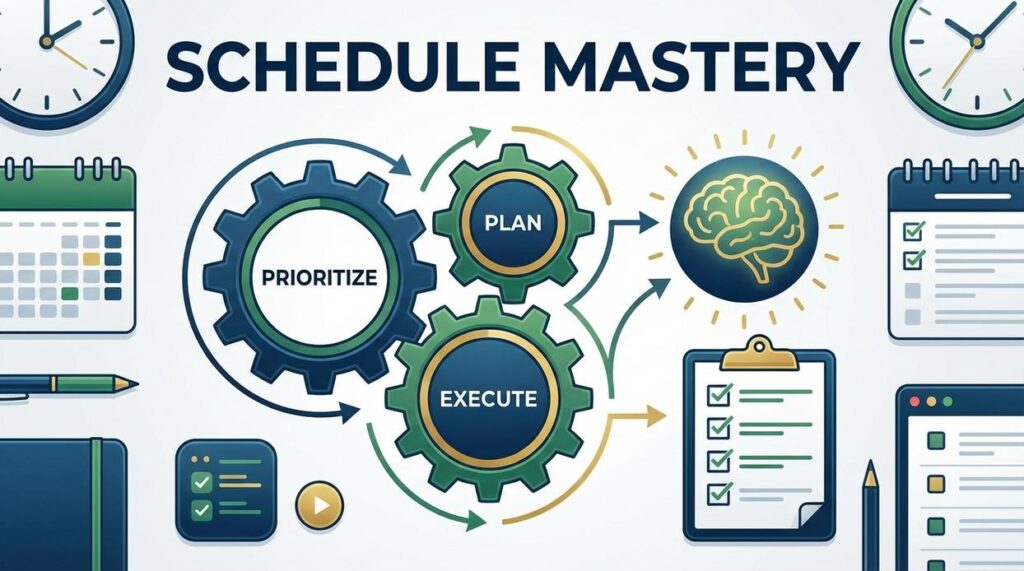
Parenting often feels like spinning plates while answering emails and searching for missing shoes. The chaos is real: packed schedules, creeping clutter, and the invisible mental load that never clocks out. Some advice says wake up earlier; other tips demand color-coded perfection. But rigid systems often collapse on hard days. Instead, think flexible routines versus flawless routines. One bends; the other breaks. For example, a shared family calendar beats scattered sticky notes, especially during travel. Pro tip: anchor new habits to existing ones for faster adoption. With practical organization hacks for busy parents, you’ll reclaim time and calm, starting today.
The biggest barrier to getting organized isn’t a lack of bins or planners; it’s perfectionism. Many parents believe the right system will fix everything. In reality, chasing “perfect” often stalls progress. So consider an A vs. B shift: A—color-coded closets and alphabetized spice racks; B—a clear kitchen counter and a backpack station by the door. Which one actually reduces morning chaos?
This is where the 80/20 Principle comes in. It means focusing on the 20 percent of tasks that deliver 80 percent of results. For families, that might be dish resets instead of showroom pantries. Functional organization supports life; aesthetic organization performs for Instagram (and we’ve scrolled past spotless playrooms).
Of course, some argue high standards build discipline. Fair point. Yet sustainable systems beat short sprints. Try one experiment this week: leave clean laundry in a basket. If it works, keep it. Try organization hacks for busy parents.
Build Your Family’s Mission Control: The Power of a Central Hub
Let’s start with the real problem: Information Scatter. That’s the constant drip of school emails, group texts, sticky notes, backpack flyers, and half-forgotten phone reminders. Individually, they seem harmless. Collectively, they create mental clutter—and missed dentist appointments. (If your fridge looks like a conspiracy board, you’re not alone.)
Some argue that digital reminders alone solve this. After all, your phone is always with you. But here’s the catch: scattered digital tools are just digital clutter. Five apps don’t equal clarity.
The solution is a single, reliable source of truth—your family’s “Mission Control.” This can be digital, physical, or a hybrid. What matters is centralization.
Digital Hub Strategy
Start with a shared calendar like Google Calendar. Color-code each family member and input everything: practices, work calls, library due dates. Pair it with a shared notes app like Google Keep for grocery lists, meal plans, and rotating to-dos. The competitive edge? Create recurring “travel prep” or “school reset” templates—something most families overlook but frequent travelers rely on.
Physical Hub Strategy
Prefer tangible systems? Set up a command center in a high-traffic area like the kitchen. Include a large wall calendar, a whiteboard for weekly goals, and labeled folders for important papers. Think NASA launch board, but for soccer practice.
Ultimately, the tool matters less than the habit. Consistency beats complexity every time. Even the best organization hacks for busy parents fail without family buy-in. So pick one hub—and make it law.
Reclaim Your Day: Time Management for Unpredictable Schedules
Traditional time-blocking looks great on paper. Color-coded calendars. Hour-by-hour precision. However, for parents juggling school calls, travel delays, and surprise meltdowns, rigid schedules can feel like setting yourself up to fail. Life with kids is more jazz improvisation than orchestra rehearsal (and yes, someone always drops the drumsticks).
Strategy 1: Time Pockets
Instead of waiting for a “free afternoon,” use 10–15 minute gaps. The school pickup line becomes email catch-up time. Waiting at soccer practice? Plan dinners or review your calendar. These micro-wins compound, turning overlooked minutes into real productivity.
Strategy 2: The Weekly Reset
On Sunday evening, spend 30 focused minutes reviewing appointments, prepping lunches, and laying out outfits. This simple routine reduces weekday friction and decision fatigue. As a bonus, it pairs well with quick discipline strategies for public places (https://nitkatraveling.com/quick-discipline-strategies-for-public-places/) when planning outings.
Strategy 3: Task Batching
Group similar tasks—pay bills together, prep meals in one session, or run errands back-to-back. Research shows batching reduces cognitive switching costs (American Psychological Association), meaning less mental drain.
Some argue flexibility breeds chaos. Yet structured flexibility—using organization hacks for busy parents—actually builds resilience. Pro tip: plan buffers, not perfection.
Conquer the Clutter: Simple Systems for a Tidy Home
Cleaning all day vs. setting up smart systems. Which sounds more realistic for busy parents? (Exactly.) The goal isn’t a spotless house at 9 a.m.—it’s a home that resets itself by 9 p.m.
System 1: The Landing Zone vs. random drop spots. When keys, backpacks, and mail land anywhere, clutter spreads like glitter after craft time. A single, defined entry station contains the mess before it migrates. Hooks, a small bin, and a shoe tray turn chaos into routine.
System 2: Portable Kits vs. last-minute scrambling. Pre-packed swim, sports, or car kits mean you grab and go instead of tearing through closets. One approach creates calm exits; the other creates “Has anyone seen the goggles?” moments. These small organization hacks for busy parents reduce decision fatigue and save real time.
System 3: The 10-Minute Family Tidy vs. marathon weekend cleans. Ten focused minutes nightly keeps surfaces clear and teaches kids ownership. Compare that to a two-hour Sunday reset nobody enjoys.
The difference is proactive vs. reactive living. Systems prevent buildup; constant cleaning fights symptoms. Choose structures that work even on your most exhausted days (because those are the ones that matter most).
Your Blueprint for a Calmer, More Controlled Family Life
Ultimately, organization isn’t about a picture-perfect home; rather, it’s about building simple, reliable systems that support your family’s real life. When you create a central hub for schedules, use flexible time-blocking, and set up clutter-control routines, the daily chaos starts to shrink.
For example, begin with one of the best organization hacks for busy parents: create a small “landing zone” by the door with hooks and baskets. Then, add a 15-minute weekly reset to maintain it.
If you need more structure, explore practical ideas like these nomadic family routines. Start with one change this week—small wins compound fast.
Keep Your Family Adventures Organized and Stress-Free
Traveling with kids can feel overwhelming when routines fall apart, meltdowns happen at the worst times, and you’re juggling bags, schedules, and everyone’s needs at once. But now you have practical strategies to simplify packing, create flexible routines, and stay ahead of common parenting challenges on the road.
The key is preparation paired with adaptability. When you apply smart systems, clear communication, and simple daily structures, travel becomes less chaotic and far more meaningful for your family. Small changes—like better planning, realistic expectations, and consistent rhythms—make a big difference.
If you’re ready to stop feeling frazzled every time you travel and start feeling confident instead, it’s time to put these organization hacks for busy parents into action. Families everywhere are transforming stressful trips into smooth adventures by using proven, practical travel-parenting strategies. Start implementing these tips on your next trip and experience how organized, intentional travel can completely change the way your family explores the world.