
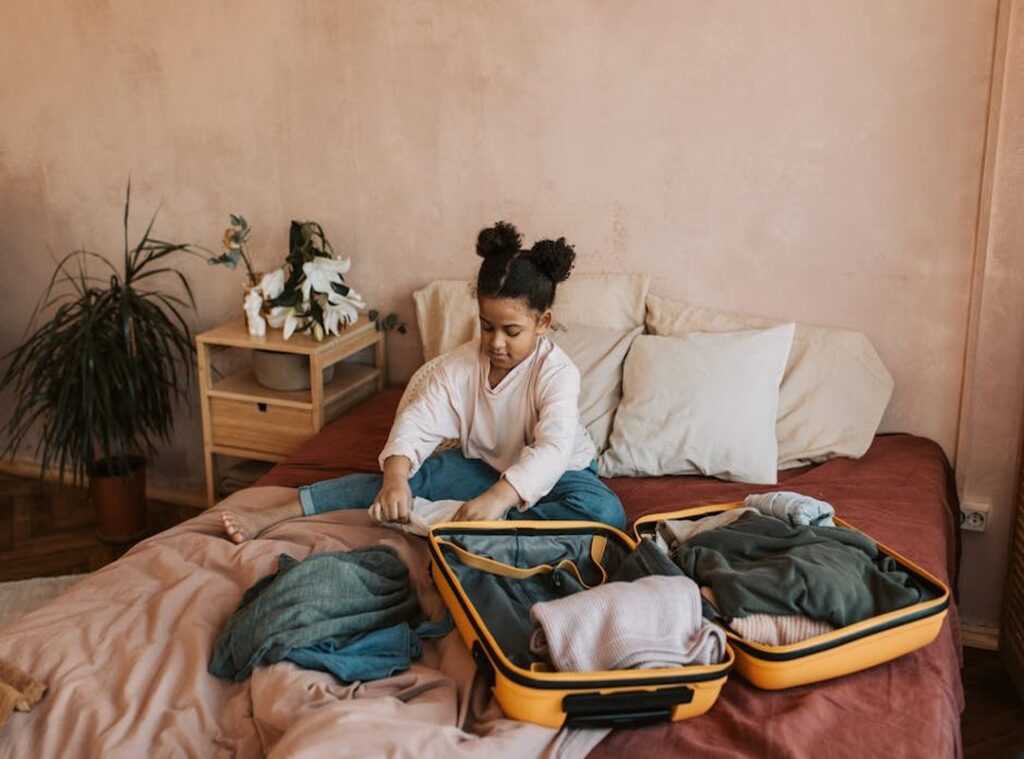
Ever stared at your screen, wondering how to plan a family trip that won’t end in chaos? I’ve been there. It’s daunting to think about all the things that could go wrong.
Trust me. I’ve traveled with kids for years, learning from both the joyful moments and the epic fails.
This guide is here to help. You’ll find a straightforward, step-by-step approach to organized travel with kids. Forget just checking boxes.
The goal is creating happy memories for everyone involved.
Doesn’t that sound better? You’ll leave with a plan so clear and actionable, stress will become a thing of the past.
You’ll enjoy the journey from start to finish (yes, even the planning). So buckle up. Let’s make family travel less about stress and more about joy.
Step 1: Family-First Travel Planning
Traveling with kids isn’t just about picking a destination and dragging them along for the ride. It’s about planning with them, not just for them. This shift is huge.
If you want organized travel with kids, get them involved from the start. Set those expectations together and watch excitement build naturally. Have you ever seen a kid’s face light up when they get to choose between the beach and the zoo?
It’s magic. And yes, even toddlers can be part of this. Show them some pictures and let them pick.
For older kids, it’s different. They love diving into details. Let them research a landmark or even choose a restaurant.
The sense of ownership they gain is worth the effort. Now, a game-changer: family meetings. Gather everyone to discuss the trip. “What’s the one thing you can’t miss out on?” you’ll ask.
Trust me, it’ll save you from disappointment later on. It’s not just logistical. You’re building anticipation and trust.
Here’s another hack, the ‘trip theme’ or ‘mission.’ Call it ‘Operation: Find the Best Ice Cream’ or ‘The Great Beach Discovery’. It’s fun. It turns the trip into an adventure.
Everyone becomes a detective, and who doesn’t love a good mystery? Remember, this planning phase is when they start saying “our trip” instead of “your trip.”
Got toddlers? Check out these for smooth travel tips. Engaging your kids in planning means you’re not just creating a travel itinerary; you’re crafting a shared journey.
Crafting A Realistic & Fun Itinerary: Less Is More
When planning for organized travel with kids, resist the urge to cram every moment with action. Really, it’s okay to slow down. The magic phrase here is “less is more.” Trust me, trying to squeeze everything into one day leaves everyone exhausted.
Enter the “One Big Thing” rule. Pick one major anchor activity per day. It could be a museum visit, a long hike, or a day at the amusement park.
This sets a focal point for the day without overwhelming the schedule. It’s about making memories, not ticking boxes.
Around your anchor, build in mandatory downtime. Simple things like snack breaks and naps (everyone needs them, really) provide much-needed rest. This isn’t just for toddlers; adults benefit too.
Picture this: starting your morning with that one big adventure, like a museum. Spend a couple of hours there, soaking it all in.
Afterward, it’s time for lunch and quiet time. Maybe a nap? Don’t underestimate the power of recharging.
Then, ease into the afternoon with low-key fun like visiting a local park or taking a swim. This balance keeps the energy up without burning out by dinner.
Speaking of dinner, opt for something easy. Wind down with a relaxed meal. Maybe even takeout, because why complicate it?
Now here’s a pro tip: incorporate “flex days.” Days with nothing on the schedule where you can explore spontaneously or just relax. These are lifesavers when everyone’s dragging their feet.
And if you want to dive deeper into the nitty-gritty, Emily Krause’s complete guide to organized packing for family travel is a goldmine. It’s a game-changer when it comes to planning.
So there you have it. Keep it simple, flexible, and real. You’ve got this.
Smart Packing & Logistics: Journey Prep Made Easy
Packing for a trip with kids is like assembling a toolkit for success. It’s not just a chore; it’s a plan. You’re setting the stage for a smooth ride, and I’ve learned this the hard way.

Forgetting to pack enough snacks or a favorite toy can turn a calm trip into chaos in minutes.
When it comes to organized travel with kids, I always start with a checklist. First, there’s the ‘Can’t-Forget’ Bag. This holds medications, important documents, and, of course, chargers.
Seriously, you don’t want to be left without a phone in an unfamiliar place. Trust me on this.
For the kiddos, I pack a specific carry-on. Snacks, activities, and a comfort item (that one stuffed animal they can’t sleep without) go in there. I learned that wrapping small toys as surprise time-fillers can really keep them entertained.
Every hour on a long drive, they get to unwrap a new surprise. It’s like a mini-birthday party on wheels.
Now, the checked luggage. I swear by packing cubes. They keep outfits separated and make finding that one shirt so much easier.
And here’s a pro tip: always have a change of clothes accessible for everyone, not just the kids. You never know when spills or unexpected weather will hit.
Preventing meltdowns is all about anticipating needs. Hunger, boredom, and overstimulation can strike without warning. A well-timed snack or a quiet moment with a tablet isn’t a failure, it’s smart parenting.
For more travel-savvy advice, you can learn more from other parents who’ve been there. Remember, the goal is a memorable journey, not a perfect one. Every trip has its hiccups, but being prepared makes all the difference.
Budgeting Without Sacrificing Memories: Make it Work
Let’s be real, budgeting for a family trip can be a headache. You want to save money but not miss out on the fun. So, how do we handle this?
Planning. It’s the hero of organized travel with kids. I love staying in places with a kitchen.
Cooking a few meals saves cash and keeps everyone happy (because hangry kids are no joke).
Also, ever thought about free local activities? You’d be surprised how much fun a splash pad or a library visit can be. These experiences often turn out to be the most memorable.
Traveling during the shoulder season is another game-changer. Fewer crowds, better prices. It’s a win.
Here’s a pro tip: create a “fun money” envelope for each kid. A small amount teaches them about budgeting and curbs those endless requests for souvenirs. I’ve done it, trust me.
It works.
Ultimately, it’s the simple, free experiences that stick with us. Not the pricey attractions. Memories aren’t about how much you spend; they’re about the joy you share.
Make Every Family Trip Count
Family adventures aren’t about perfection. They’re about moments. You need preparation, some flexibility, and a focus on what truly matters (your) family.
The idea of organized travel with kids might sound daunting, but it’s your ticket to less stress and more joy. Forget the mythical “perfect” trip. Aim for laughter and connection.
Start small. Plan a weekend getaway soon. You’ll see how these steps transform your experience.
Want stress-free travels? This is it. Your blueprint is ready.
Dive in, adapt, and see the difference. Ready to start? Grab this opportunity and make every trip count.
Plan now.
 Founder & Lead Travel Parenting Strategist
There is a specific skill involved in explaining something clearly — one that is completely separate from actually knowing the subject. Tyvian Kelthorne has both. They has spent years working with nomadic family routines in a hands-on capacity, and an equal amount of time figuring out how to translate that experience into writing that people with different backgrounds can actually absorb and use.
Tyvian tends to approach complex subjects — Nomadic Family Routines, Helpful Reads, Child Development Strategies being good examples — by starting with what the reader already knows, then building outward from there rather than dropping them in the deep end. It sounds like a small thing. In practice it makes a significant difference in whether someone finishes the article or abandons it halfway through. They is also good at knowing when to stop — a surprisingly underrated skill. Some writers bury useful information under so many caveats and qualifications that the point disappears. Tyvian knows where the point is and gets there without too many detours.
The practical effect of all this is that people who read Tyvian's work tend to come away actually capable of doing something with it. Not just vaguely informed — actually capable. For a writer working in nomadic family routines, that is probably the best possible outcome, and it's the standard Tyvian holds they's own work to.
Founder & Lead Travel Parenting Strategist
There is a specific skill involved in explaining something clearly — one that is completely separate from actually knowing the subject. Tyvian Kelthorne has both. They has spent years working with nomadic family routines in a hands-on capacity, and an equal amount of time figuring out how to translate that experience into writing that people with different backgrounds can actually absorb and use.
Tyvian tends to approach complex subjects — Nomadic Family Routines, Helpful Reads, Child Development Strategies being good examples — by starting with what the reader already knows, then building outward from there rather than dropping them in the deep end. It sounds like a small thing. In practice it makes a significant difference in whether someone finishes the article or abandons it halfway through. They is also good at knowing when to stop — a surprisingly underrated skill. Some writers bury useful information under so many caveats and qualifications that the point disappears. Tyvian knows where the point is and gets there without too many detours.
The practical effect of all this is that people who read Tyvian's work tend to come away actually capable of doing something with it. Not just vaguely informed — actually capable. For a writer working in nomadic family routines, that is probably the best possible outcome, and it's the standard Tyvian holds they's own work to.