Traveling with children can feel overwhelming—especially when you’re trying to balance meaningful experiences with your child’s comfort, development, and safety. If you’re searching for practical guidance on parenting while traveling, this article is designed to give you exactly that: clear, experience-backed strategies to help your family thrive on the road.
We’ll walk through travel-friendly parenting basics, adaptable routines for nomadic families, and age-appropriate child development strategies you can use anywhere in the world. You’ll also find actionable family travel safety tips to help you prepare, prevent common challenges, and respond confidently when plans change.
Our guidance is built on real-world travel experience, research on child development, and tested on-the-go methods that families actually use. Whether you’re planning short trips or embracing long-term travel, this guide will help you create smoother journeys, stronger family connections, and a travel lifestyle that truly works for you and your children.
Before You Go: Building a Foundation of Safety
Preparation isn’t about paranoia—it’s about peace of mind. When you handle safety details before departure, you free up mental space to actually enjoy the trip. (And yes, that means fewer 2 a.m. “Did we forget something?” spirals.)
Research Your Destination
Go beyond attractions and Instagram hotspots. Check government safety advisories, understand cultural norms around children, and locate the nearest embassy, hospitals, and clinics. This groundwork reduces surprises and gives you confidence navigating unfamiliar places. The benefit? Faster decisions, calmer reactions, and a smoother experience for everyone.
Create a “Family Info Pack”
Digitize and carry physical copies of passports, birth certificates, and visas. Add a recent, clear photo of each child. If anything gets lost, stolen, or questioned, you’ll save precious time. Pro tip: store encrypted copies in secure cloud storage for quick global access. Redundancy equals resilience.
The “What If” Drill
Role-play separation scenarios. Teach kids to find a “safe person” (another parent with kids, a police officer, a shopkeeper) and memorize your full names and phone numbers. Practicing builds confidence, not fear. Children who rehearse scenarios are more likely to respond calmly under stress (American Academy of Pediatrics guidance supports preparedness conversations).
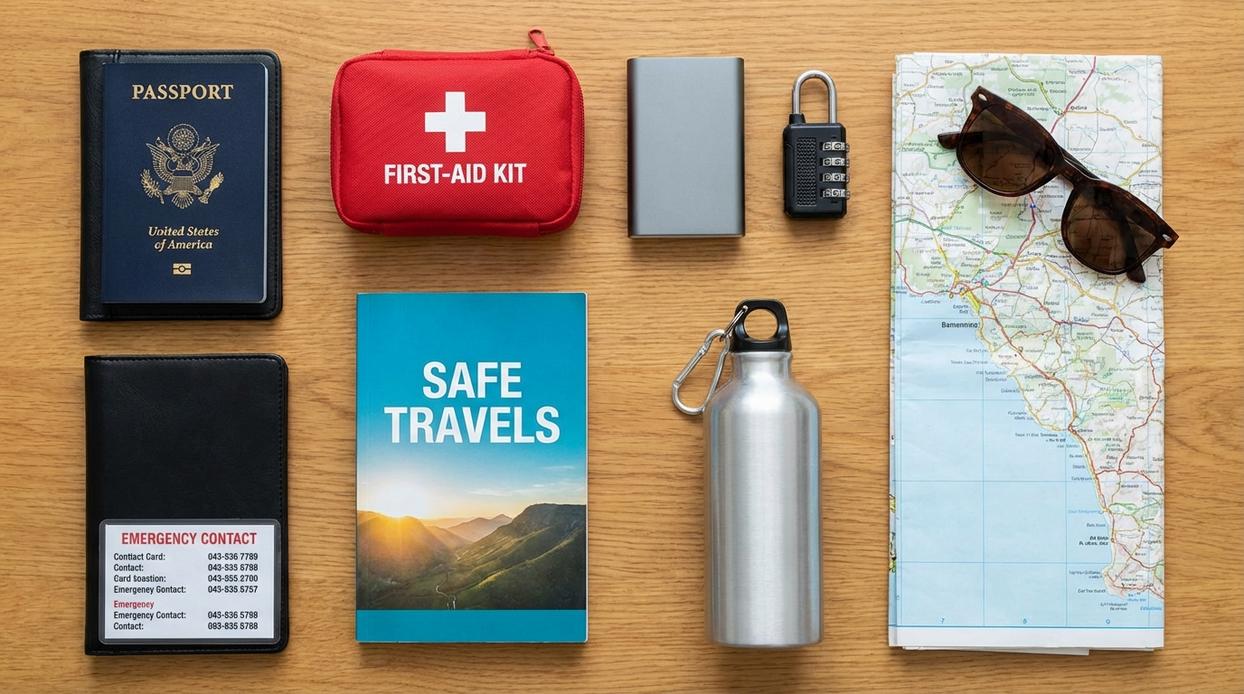
Pack a “Go-Kit”
Include first-aid basics, medications with prescriptions, high-energy snacks, water, a portable charger, and emergency contacts. Think of it as your family’s safety net in backpack form.
These small steps aren’t just family travel safety tips—they’re freedom builders. When you’ve planned for the “what ifs,” you unlock more joy in the “right nows.”
On the Move: Safety in Airports, Cars, and Trains
Travel days can feel like controlled chaos (heavy on the chaos), but smart planning turns stress into structure. Here are clear, practical recommendations to keep your family secure wherever you roam.
Airport Strategy
Dress kids in bright, distinctive clothing so they’re easy to spot in a crowd. Think neon backpacks or bold hats—practical, not just cute. Establish a “home base” meeting spot near a visible landmark like an information desk. If children are old enough, use the buddy system so no one wanders alone. Pro tip: take a quick photo of your child before security in case you need to describe what they’re wearing.
Car Travel Essentials
Make sure car seats are properly installed and match your child’s age and weight (the CDC reports proper use reduces injury risk by up to 71%). Never leave children unattended in a vehicle—not even for a minute. Plan frequent stops to prevent driver fatigue; tired driving can be as dangerous as distracted driving.
Public Transit Smarts
On trains or buses, keep children close and positioned away from doors. Teach them to hold rails securely and stay alert to announcements. These simple family travel safety tips build confidence and awareness—skills they’ll carry long after the trip ends.
Accommodation Safety Check
You’ve made it. Bags dropped, kids bouncing on the beds—and that’s exactly when you pause.
“Give me two minutes,” one parent whispered to their partner, “I just want to make sure this place won’t accidentally kill us.” (Dramatic? Maybe. Necessary? Absolutely.)
Start with a quick sweep. Look for accessible cleaning supplies under sinks, unsecured balcony doors, loose window locks, and exposed electrical outlets. Confirm smoke and carbon monoxide detectors are working—most units have a test button. According to the U.S. Fire Administration, working smoke alarms cut the risk of dying in a home fire by about 55% (USFA). That’s not a stat to ignore.
Pro tip: stash hazards high up immediately so you’re not playing defense all week.
Navigating Crowds
Busy markets and theme parks are exciting—and chaotic. “You can look at the toys,” a dad told his six-year-old, “but you stay where I can see your red hat. Deal?” Clear, simple rules work.
For younger kids, use strollers, carriers, or safety harnesses. For older ones, create a meeting point and rehearse it like a fire drill (yes, really).
- Stay within sight.
- Stop walking if you can’t see us.
- Ask a worker with a badge for help.
These small habits turn into powerful family travel safety tips over time.
Water and Food Safety
Water safety is non-negotiable. Lifeguard or not, maintain “touch supervision” for non-swimmers—stay within arm’s reach. For confident swimmers: “No buddy, no swimming.” Period.
Stick to bottled water where local quality is uncertain (CDC guidance). Choose busy, clean street vendors—high turnover usually means fresher food.
And remember, preparation starts before you unpack. Smart packing—like what’s outlined in minimalist travel gear for parents on the move—makes staying vigilant much easier.
Handling the Unexpected: Health and Emergency Preparedness
When traveling with kids, I believe preparation is the difference between a minor hiccup and a full blown crisis. Know basic first aid; cuts, scrapes, dehydration, and allergic reactions happen fast. Pack a small kit and actually learn how to use it.
• Have a local SIM or data plan so you can always call for help.
• Share your itinerary with someone you trust.
Communication is key, and so is trusting your gut. If a place feels off, leave immediately. These are family travel safety tips but they save lives.
Ready for Smoother, Safer Family Adventures
You came here looking for practical ways to make traveling with kids easier, more organized, and less overwhelming. Now you have a clearer roadmap — from building flexible routines to supporting your child’s development on the move and prioritizing family travel safety tips that actually work in real life.
Traveling as a family isn’t just about getting from one place to another. It’s about reducing stress, preventing meltdowns, and creating meaningful experiences without sacrificing safety or structure. When you have the right systems in place, travel stops feeling chaotic and starts feeling empowering.
The next step is simple: put these strategies into action on your very next trip. Start small, stay consistent, and focus on preparation — especially when it comes to safety and routines.
If you’re tired of second-guessing every travel decision and want proven, parent-tested guidance you can trust, explore more practical resources designed specifically for traveling families. Join thousands of parents who are already traveling smarter, safer, and with more confidence — and start planning your next adventure today.