Feeling the pressure to make every moment count educationally? I get it. We parents are often stuck thinking early learning travel has to be all about dragging kids through endless museum tours or quizzing them with flashcards at 30,000 feet.
But here’s the thing: it doesn’t have to be that way.
I’ve traveled with my kids for years, observing how their curiosity naturally guides them to learn. It’s not about stress. It’s about opening their eyes to the world in a way that sticks.
This article is for you.
You’ll discover a simple, stress-free way to turn any trip into a learning adventure. No more frantic planning or rigid schedules. Just genuine, impactful experiences that strengthen family bonds.
Let’s transform your next trip into a rich educational journey.
Redefining ‘Educational Travel’: Beyond Museums and Monuments
Ever been on a trip where you felt you were dragging your kids through a museum, forcing them to read every plaque? I have. It’s not fun.
And honestly, it barely sticks. Educational travel shouldn’t be a chore. It should be about engagement.
Kids learn best when they’re into it, not when they’re stuck in observation mode.
Here’s the deal: true learning happens when curiosity is in charge. Imagine wandering through a local market and letting your child use a few new words to buy fruit. That’s real learning.
It’s more than just staring at exhibits. It’s about getting your hands dirty (not literally, unless you’re in a mud pit) and asking questions.
This approach isn’t just for the kids. It’s a relief for parents too. No more pressure to be the tour guide.
Let your kids explore. They’ll thank you for it. The joy of discovery is theirs.
And guess what? This kind of learning is what early learning travel is all about. Kids are wired to absorb information through play and experience.
Want to see how this can also be a travel tool social skills growth? Engaging with new environments teaches kids how to adapt and communicate. It’s learning without the textbooks.
So, ditch the old ways and embrace the new. Your next family trip could be the best classroom yet.
Travel’s Brainy Benefits: Kids and Their Expanding Minds
We all know travel is eye-opening, but let’s dig into the real benefits for young learners. Ever wonder how navigating new places shapes a child’s brain? It’s all about cognitive flexibility.
When kids face unfamiliar environments, languages, and routines, they naturally build key problem-solving skills. They learn to adapt. No classroom can replicate the real-world complexity of figuring out how to ask for directions in a foreign tongue.
Now, let’s talk empathy and cultural awareness. Meeting people from different walks of life? That’s how kids develop a truly inclusive worldview.
It’s one thing to read about different cultures in a textbook; it’s another to experience them firsthand. Trust me, no page can capture the essence of a bustling street market or the quiet beauty of a rural village.
What about confidence and resilience? Travel throws challenges at you (like ordering food in a bustling café or finding your way on a map). Overcoming these builds a child’s independence.
They learn they can handle more than they thought.
And don’t worry, these benefits don’t require a packed itinerary. They happen naturally. You don’t need to plan every moment to nurture your child’s growth.
Just let them explore.
Interested in more about how early learning travel can boost your kid’s development? Imagine the lifelong benefits. Travel isn’t just a trip.
It’s an education. It’s about broadening horizons and shaping young minds. Let’s get those passports ready.
Travel Ideas for Kids: Ages 2-12
For Toddlers & Preschoolers (Ages 2-5): Let’s talk sensory learning. These little ones are curious and ready to explore. Take them on a “color scavenger hunt” in a new park or visit a farm to see animals (because who doesn’t love a good moo or baa?). Collecting different types of leaves or shells can keep them entertained for hours. It’s all about keeping things simple and tangible. Trust me, they don’t need anything fancy. Just something they can touch and see.
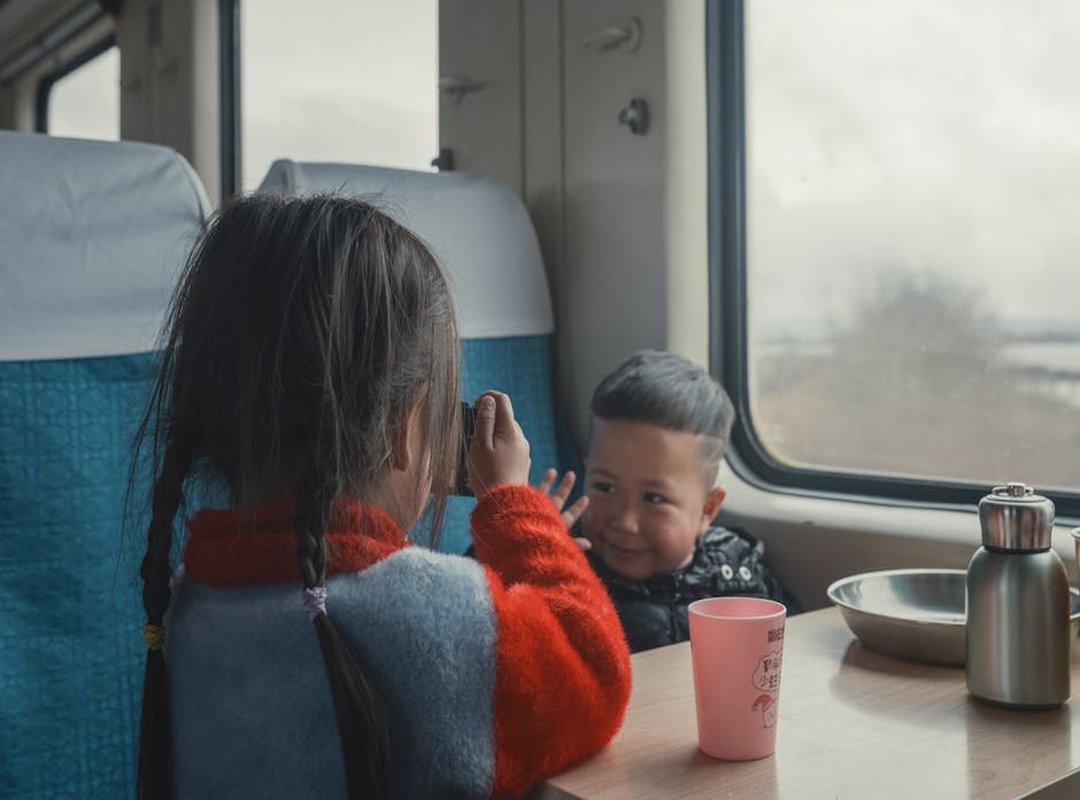
For Pre-Teens (Ages 10-12): Ownership and understanding become key. Give them a small budget to manage for souvenirs. Watching them make decisions can be amusing and enlightening. Let them be the “navigator” for a day with a map. They’ll love the responsibility, and it teaches important skills. Researching a historical event or person related to your destination beforehand can add depth to the trip. It’s like giving them a mission, and who doesn’t love a good mission?
For Early Elementary (Ages 6-9): This is when participation becomes key. Encourage them to create a simple travel journal filled with their drawings and thoughts. It’s a great way for them to remember the trip later. Teach them a few local words like “hello” and “thank you” (because politeness never goes out of style). Visiting a local bakery to watch how bread is made can be a fascinating experience. It turns learning into a fun activity, not a chore.
Early learning travel isn’t just about the destination; it’s about the journey (and I don’t mean that in a cheesy way). It’s about how we engage with our kids. If you’re curious about more ways to incorporate play into travel, check out the role of play child development road.
It’s all about making the most of every adventure, one trip at a time.
Vacation School: Transforming Trips into Learning Adventures
Ever tried turning a trip into a learning experience? It’s easier than you think. We’ll make this simple with a three-step system: before you go, while you’re there, and when you get home.
Before You Go
Let’s kick it off with planning. Involving your kid in planning can be a game-changer. Show them a map.
Kids love maps. Watch a short documentary about the destination. It sets the stage beautifully.
You could even let them pick one activity. They’ll be more invested if they’ve got skin in the game.
While You’re There
Once you’re on the ground, it’s time to spark curiosity. Ask open-ended questions. What do they notice that’s different from home?
Encourage them to observe. The world is full of surprises if you look closely. Embrace spontaneity.
Some of the best learning moments come unexpectedly.
When You Get Home
Don’t let the learning end when you unpack. Create a photo book together. Memories fade, but photos stick.
Cook a meal inspired by the trip. They say the best way to a person’s heart is through their stomach. Mark the location on a world map.
Give them a sense of where they’ve been.
So, can any trip become an early learning travel opportunity? Absolutely. It’s all about the approach you take.
Whether it’s a beach trip or visiting relatives, every journey offers a chance to learn. The trick is to make it an adventure rather than a checklist. What will you discover on your next trip?
Jump Into the Adventure of Learning
Every trip is a chance to dive into new knowledge. Focus on curiosity, not curriculum. You’re not just a parent.
You’re a fellow explorer. This mindset shift? It takes the stress off your shoulders and brings you closer as a family.
That’s what you wanted, right? More connection, less pressure.
Early learning travel opens doors to unexpected takeaways. So, what’s next? Look at your upcoming trip. Find one simple way to explore together. Start small. Trust me, the impact is big. Ready to transform your family travels? Dive in. Discover together. Start now, and thank me later.
 Child Development & Nomadic Lifestyle Advisor
There is a specific skill involved in explaining something clearly — one that is completely separate from actually knowing the subject. Madeleine Klecknerona has both. They has spent years working with helpful reads in a hands-on capacity, and an equal amount of time figuring out how to translate that experience into writing that people with different backgrounds can actually absorb and use.
Madeleine tends to approach complex subjects — Helpful Reads, Daily Parenting Highlights, Child Development Strategies being good examples — by starting with what the reader already knows, then building outward from there rather than dropping them in the deep end. It sounds like a small thing. In practice it makes a significant difference in whether someone finishes the article or abandons it halfway through. They is also good at knowing when to stop — a surprisingly underrated skill. Some writers bury useful information under so many caveats and qualifications that the point disappears. Madeleine knows where the point is and gets there without too many detours.
The practical effect of all this is that people who read Madeleine's work tend to come away actually capable of doing something with it. Not just vaguely informed — actually capable. For a writer working in helpful reads, that is probably the best possible outcome, and it's the standard Madeleine holds they's own work to.
Child Development & Nomadic Lifestyle Advisor
There is a specific skill involved in explaining something clearly — one that is completely separate from actually knowing the subject. Madeleine Klecknerona has both. They has spent years working with helpful reads in a hands-on capacity, and an equal amount of time figuring out how to translate that experience into writing that people with different backgrounds can actually absorb and use.
Madeleine tends to approach complex subjects — Helpful Reads, Daily Parenting Highlights, Child Development Strategies being good examples — by starting with what the reader already knows, then building outward from there rather than dropping them in the deep end. It sounds like a small thing. In practice it makes a significant difference in whether someone finishes the article or abandons it halfway through. They is also good at knowing when to stop — a surprisingly underrated skill. Some writers bury useful information under so many caveats and qualifications that the point disappears. Madeleine knows where the point is and gets there without too many detours.
The practical effect of all this is that people who read Madeleine's work tend to come away actually capable of doing something with it. Not just vaguely informed — actually capable. For a writer working in helpful reads, that is probably the best possible outcome, and it's the standard Madeleine holds they's own work to.