
Traveling with children can feel overwhelming—juggling routines, managing meltdowns, and trying to create meaningful experiences all at once. If you’re searching for practical ways to make family travel smoother, more enriching, and genuinely enjoyable, this guide is designed for you. We break down travel-friendly parenting basics, smart child development strategies on the road, and realistic nomadic family routines that actually work in airports, hotels, and new time zones.
You’ll also discover simple habits—like incorporating a family gratitude practice into your evenings—that strengthen connection no matter where you are in the world.
Our insights are grounded in real-world travel experience, child development research, and proven on-the-go strategies used by families who travel frequently. Instead of vague advice, you’ll find actionable tips you can apply immediately to reduce stress, support your child’s growth, and create lasting memories—without sacrificing structure or sanity along the way.
Why a Grateful Mindset is a Traveler’s Best Tool
Travel rarely goes exactly as planned. Flights get delayed, favorite snacks disappear, routines unravel. Teaching kids gratitude builds resilience by helping them name what’s still good when plans fall apart. Psychologists link gratitude to higher emotional regulation and lower stress in children (Emmons, UC Davis). That’s not just nice for vacations; it’s life training.
Gratitude also widens perspective. Instead of asking “What do I get?” kids start noticing how other families live, eat, and celebrate. That curiosity turns culture shock into culture appreciation (a much better souvenir). A simple family gratitude practice at dinner can anchor this shift.
Some argue kids deserve treats on trips. Sure. But constant upgrades breed entitlement, not wonder. Choosing experiences over things teaches lasting satisfaction — a lesson that supports balancing work and parenting a realistic daily plan long-term. Pro tip: let kids choose one meaningful activity and reflect on it later together as family.
Zero-Prep Gratitude Activities for Any Time, Any Place
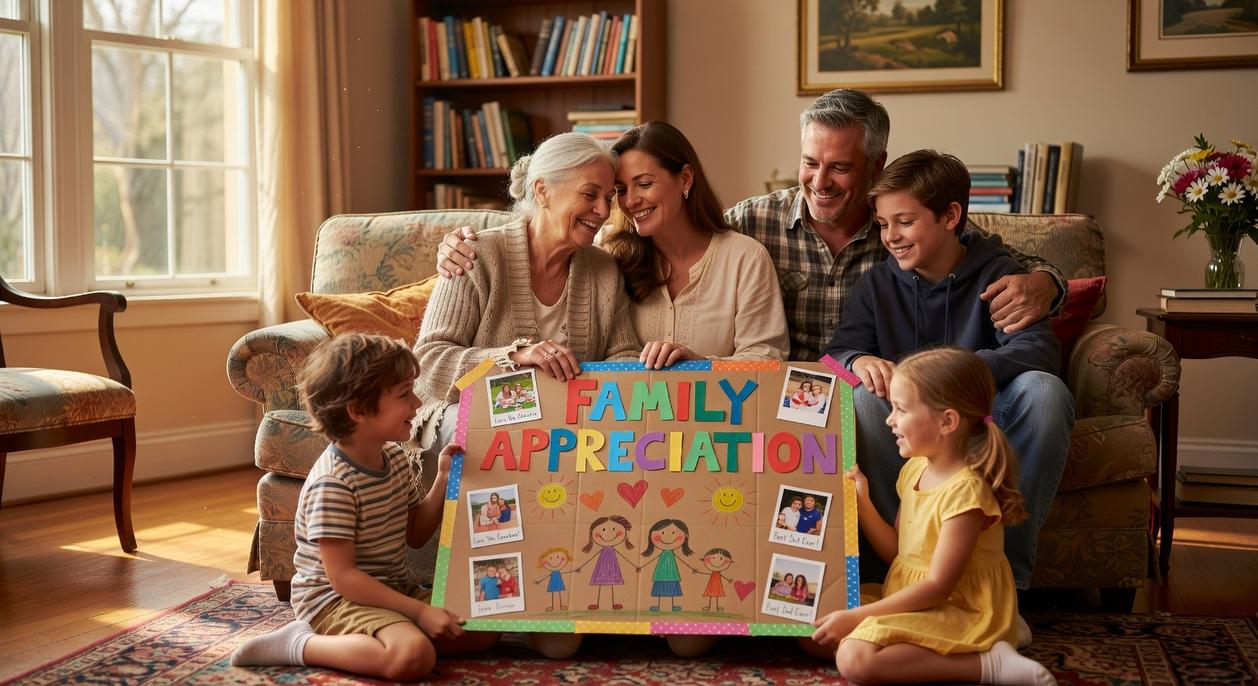
When you’re juggling travel days, school pickups, or dinner that’s running 20 minutes late, adding one more “good habit” can feel unrealistic. However, gratitude doesn’t need a printable worksheet or a perfectly calm moment. These zero-prep activities fit into real life—and the payoff is worth it.
Research shows that regular gratitude practices can improve mood, increase resilience, and strengthen relationships (Emmons & McCullough, 2003). In other words, a few intentional minutes can shift the entire tone of your day.
The “Three Good Things” Ritual
At bedtime or around the dinner table, each person shares three positive moments from their day—big or small. Maybe it’s “aced my spelling test” or “the hotel had fluffy towels.” Over time, this trains kids to scan their day for wins (yes, even on chaotic travel days). The benefit? Stronger optimism and better sleep thanks to ending the day on a positive note.
The Gratitude Alphabet Game
Stuck in traffic or waiting in line? Take turns naming something you’re grateful for from A to Z. “A for aunties, B for blue sky…” It turns idle time into connection time. Plus, it builds vocabulary and creativity while keeping complaints at bay (a parenting win if there ever was one).
“Rose, Bud, Thorn” Check-In
Each person shares a highlight (rose), something they’re looking forward to (bud), and a challenge (thorn). This balanced format fosters empathy and emotional awareness. Kids learn that gratitude and struggle can coexist—a powerful life lesson.
Sensory Gratitude Walk
During a stroll, ask kids to name something they’re grateful for that they can see, hear, smell, and touch. This boosts mindfulness, which studies link to reduced stress and improved focus (APA, 2012).
Even a simple family gratitude practice done consistently can strengthen bonds and create steadiness—no matter where you are. For more simple connection ideas, explore our on-the-go parenting tips.
Turning New Experiences into Lasting Gratitude Lessons
Travel hands your family teachable moments on a silver platter (sometimes literally). The key is slowing down enough to notice them. When you intentionally turn new experiences into gratitude lessons, you’re not just raising polite kids—you’re building awareness, empathy, and emotional resilience that sticks long after the trip ends.
Thankfulness for Food
Move beyond a quick “thanks for dinner.” Talk about the farmer who grew the vegetables, the unfamiliar spices in a local dish, or the shared adventure of tasting something new together. This helps children see the invisible chain of effort behind a single meal. The benefit? Kids become more open-minded eaters and more appreciative humans (which makes future restaurant outings far less dramatic).
Appreciating People & Helpers
Thank the tour guide who made history funny, the patient waiter handling spilled juice, or the stranger who pointed you toward the train platform. Small acknowledgments show children that kindness fuels great journeys. What’s in it for you? Kids who recognize effort in others tend to develop stronger social skills and deeper empathy—traits linked to long-term well-being (Harvard Health Publishing).
Gratitude for Places
Instead of snapping a photo and moving on, pause at the overlook or in a quiet museum hall. Ask, What makes this place special? What are we thankful to see here? This reflection strengthens memory formation, since emotional engagement improves recall (American Psychological Association).
Practiced consistently, a simple family gratitude practice transforms trips into character-building experiences—souvenirs fade, but perspective lasts.
Creating a Simple, Portable Gratitude Toolkit
Last summer, during a three-week road trip across the Southwest, we realized how quickly kids forget the small joys of travel. A simple toolkit kept our focus steady.
The Travel Gratitude Journal is a pocket-sized notebook where children can sketch or jot one highlight each day. After ten days, it becomes a time-stamped treasure.
The Digital “Good Things” Folder lives on your phone. Create it on day one and add photos nightly; by week’s end, you have a visual timeline of blessings.
The Pebble in the Pocket works in real time. Each morning, slip a smooth stone into your child’s pocket. Every touch becomes a cue to pause and name one good thing.
Skeptics say rituals fade fast, but consistency turns this into a lasting family gratitude practice that travels light.
Pro tip: set a five-minute reflection before bed to anchor the habit together.
Keep Your Family Connected Wherever You Roam
Traveling with kids can feel overwhelming at times. Routines shift, emotions run high, and you may wonder if you’re truly giving your children the stability they need on the road. You came here looking for practical ways to balance adventure with strong parenting—and now you have clear, realistic strategies to create structure, support development, and stay emotionally connected no matter the destination.
The key is consistency in the small things: predictable rhythms, meaningful conversations, and simple rituals like a family gratitude practice that grounds everyone, even in unfamiliar places. These habits turn constant movement into a powerful foundation for resilience and closeness.
Don’t let the stress of logistics overshadow the joy of raising globally-minded, adaptable kids. Start implementing one routine today, reinforce it daily, and build from there.
If you’re ready to make traveling with your children calmer, more connected, and truly enriching, explore our trusted parenting-on-the-go resources now. Families rely on our proven, real-world strategies to stay grounded wherever they roam—start today and transform your next trip into your strongest chapter yet.