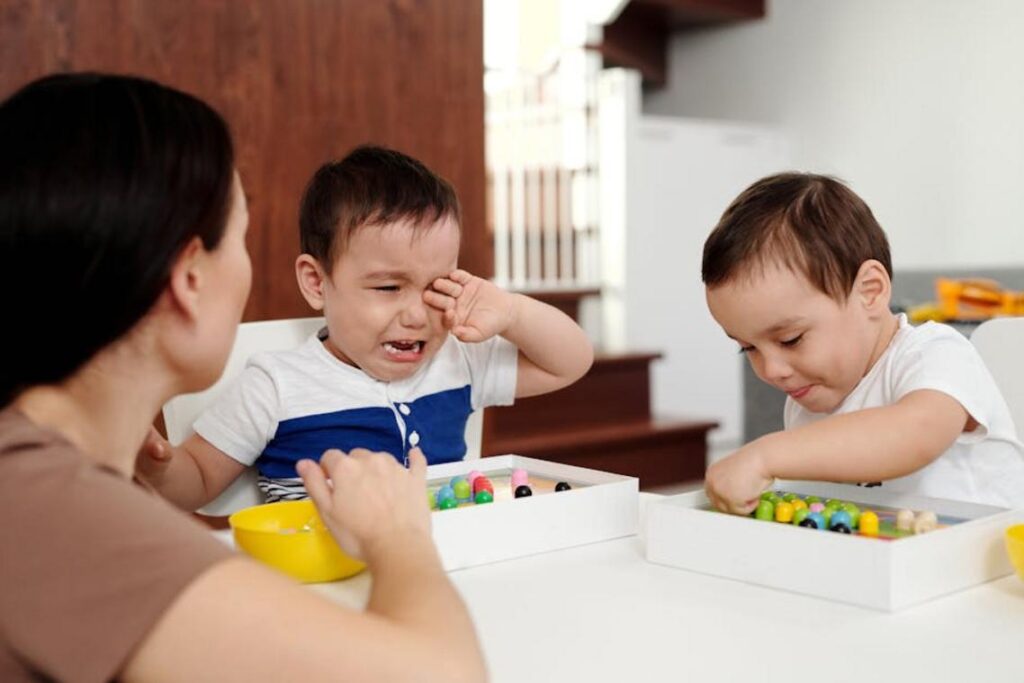

Traveling with children can feel overwhelming—juggling routines, managing meltdowns, and making sure your child’s development stays on track while you’re constantly on the move. If you’re searching for practical, realistic guidance on parenting while traveling, this article is designed to give you exactly that: clear strategies, adaptable routines, and travel-friendly parenting basics that actually work in real-world situations.
We break down how to support your child’s emotional regulation, learning, and sense of security—whether you’re on a weekend getaway or living a nomadic lifestyle. Drawing from child development research and evidence based parenting resources, this guide connects proven principles with on-the-go application.
You’ll find actionable tips for maintaining structure without rigidity, encouraging independence, and creating meaningful family experiences no matter the destination. The goal isn’t perfection—it’s confident, informed parenting that travels well with you.
Parenting advice online can feel like scrolling TikTok at 2 a.m.—everyone’s certain, no one agrees. One post swears by strict schedules; another says follow your child’s vibe (cue the “This Is Fine” meme). Instead of guessing, turn to evidence based parenting resources grounded in peer-reviewed research.
These sources prioritize child development outcomes, not trends. Organizations like the American Academy of Pediatrics and CDC translate studies into practical guidance (Pro tip: check publication dates).
| Resource | What It Offers |
|---|---|
| AAP | Health guidelines |
| CDC | Development milestones |
For real life.
The Foundation of Trustworthy Parenting: What “Research-Backed” Really Means
Let’s be honest: parenting advice is everywhere. Your aunt swears by co-sleeping. A friend insists strict schedules are magic. That’s anecdotal advice—“what worked for me.” It’s personal experience, not proof. In contrast, evidence-based guidance relies on controlled studies conducted across diverse families to see what consistently works (American Psychological Association, 2020).
Here’s the difference:
| Anecdotal Advice | Research-Backed Guidance |
|---|---|
| One family’s experience | Large, diverse samples |
| No control group | Controlled comparisons |
| Emotional persuasion | Peer-reviewed data |
I’ll say it plainly: I trust patterns over personal stories. Longitudinal studies (research conducted over many years) and meta-analyses (studies reviewing multiple studies) give us patterns. For example, attachment theory—developed by John Bowlby—shows that responsive caregiving supports emotional regulation across cultures (Bowlby, 1969).
When reviewing evidence based parenting resources, check for citations, author credentials in pediatrics or developmental psychology, and references to child development science. No sources? That’s a red flag (yes, even if it “feels right”).
Understanding principles makes parenting portable. If you grasp why secure attachment matters, you can adapt bedtime routines in airports or new time zones. Principles travel better than rigid rules. (Pro tip: prioritize connection over perfection when routines unravel.)
Core Pillars of Development: Top Resources for Every Stage
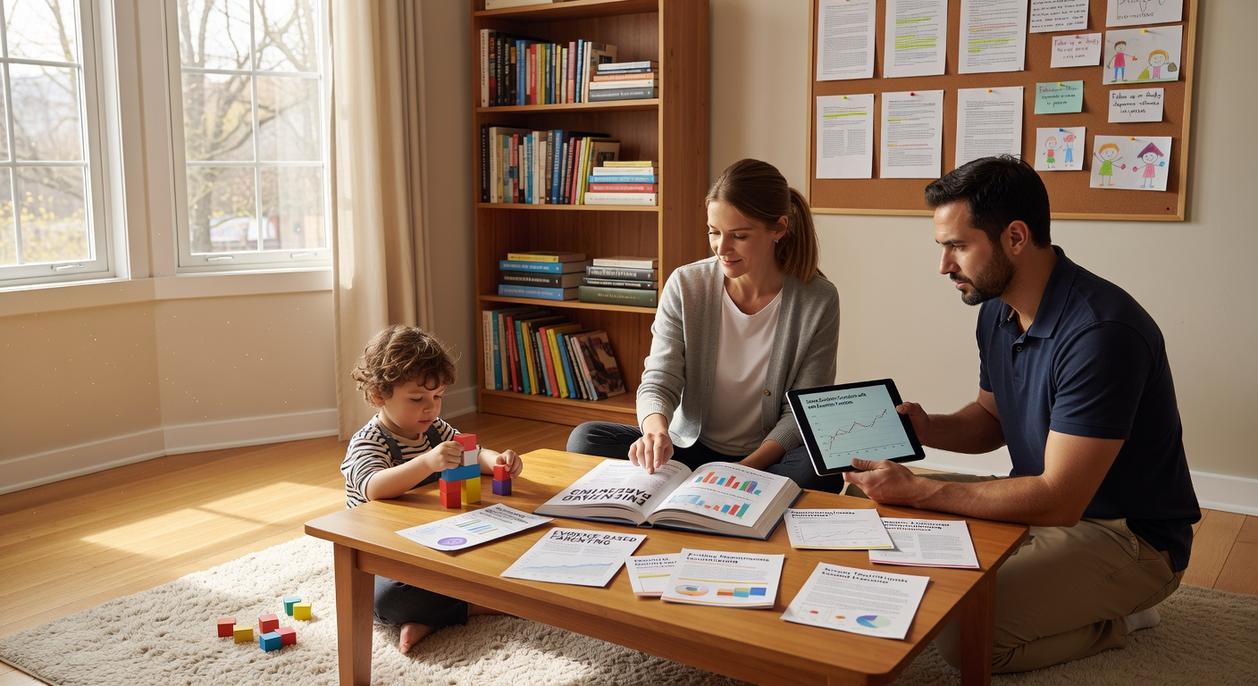
When it comes to raising kids—especially on the move—I’m opinionated: trends come and go, but developmental science is timeless. If I’m choosing what to trust, it’s research-backed guidance over TikTok hacks every single time.
Emotional Regulation & Attachment
The Center on the Developing Child at Harvard University explains the concept of “serve and return” interactions—when a child “serves” (through a look, babble, or question) and an adult “returns” with a responsive interaction. These back-and-forth exchanges literally shape brain architecture (Harvard University, developingchild.harvard.edu). In my view, this is the gold standard of connection. Some argue kids are naturally resilient and don’t need that much responsiveness. I disagree. Consistent, warm engagement builds secure attachment, which research links to stronger emotional regulation later in life.
Sleep Science
The American Academy of Sleep Medicine and the Pediatric Sleep Council both emphasize consistent bedtime routines as key to sleep quality—even in unfamiliar settings. Studies show predictable routines improve sleep onset and duration (Mindell et al., 2015). I’ve heard people say, “Kids will sleep when they’re tired.” Sometimes, yes. But structure signals safety. A simple routine—bath, book, bed—anchors a child anywhere.
Positive Discipline & Behavior
Research consistently supports authoritative parenting—high warmth, clear limits—as the most effective style (Baumrind, 1967; AAP). Organizations like Zero to Three translate developmental science into practical tips for toddlers. I prefer this balanced approach over strict authoritarian methods, which may gain short-term compliance but can undermine long-term trust.
Cognitive Growth & Play
The American Academy of Pediatrics highlights how unstructured play builds executive function—skills like planning, focus, and self-control (AAP, 2018). In my opinion, play isn’t a break from learning; it is learning (yes, even when it looks like chaos).
If you’re looking for evidence based parenting resources grounded in science, start here—and maybe pair your reading with inspiration from best travel memoirs by families living on the road for perspective.
Your Digital Toolkit: Reliable Websites, Books, and Apps
When you’re parenting on the move, you don’t need more opinions—you need reliable information you can pull up in an airport lounge or during a 2 a.m. hotel-room wakeup. Think of this as your portable, evidence based parenting resources library.
Trusted Organizations Online
These sites consistently cite peer‑reviewed research and expert consensus:
- HealthyChildren.org (from the American Academy of Pediatrics)
- Mayo Clinic’s parenting section
- Child Mind Institute
- CDC Child Development pages
Back in 2020, when online parenting advice exploded, misinformation did too. These organizations stood out because they linked directly to studies and updated guidance as new findings emerged (a good reminder that science evolves).
Essential Reading (Grounded in Science)
Some books have earned their reputation over time. The Whole-Brain Child by Daniel Siegel and Tina Payne Bryson translates neuroscience into practical scripts you can use during meltdowns. Cribsheet by Emily Oster breaks down data on sleep, feeding, and daycare, showing how researchers reach conclusions. If a book explains how we know something—not just what to do—that’s a green flag.
Vetted Apps and Podcasts
Look for hosts who are pediatricians, child psychologists, or researchers—and who mention specific studies or institutions. If an app claims “brain-boosting results in 7 days” without citations, that’s marketing, not science (nice try, though).
Build this toolkit once, update it every year or so, and you’ll have steady, research-backed guidance—no matter the time zone.
Choosing to seek research-supported guidance is already a powerful first step toward confident, effective parenting. In a world where advice changes by the algorithm, that decision matters. For years—especially since the social media parenting boom of the early 2020s—families have been flooded with conflicting opinions. Now, instead, you have a starting point.
By turning to evidence based parenting resources, you move beyond guesswork and toward strategies tested over time. For example, studies on positive reinforcement have consistently shown improved child cooperation (see American Psychological Association reports). When you understand the why behind a method, it becomes easier to adapt it during stressful travel days or changing routines.
So, this week, choose one trusted resource and explore it intentionally. After a few months, you’ll have a personalized toolkit grounded in science and shaped by your family’s real-life experience. Confident parenting grows step by step. Small shifts today create lasting impact tomorrow.
Confident Parenting, Wherever the Road Takes You
You set out looking for practical ways to support your child’s growth without sacrificing your love for travel—and now you have a clear path forward. With the right routines, intentional connection, and thoughtful planning, life on the move can nurture resilience, curiosity, and emotional security in your child.
Travel doesn’t remove parenting challenges—it can amplify them. Disrupted schedules, new environments, and constant transitions can test patience and consistency. But with simple structures, adaptable routines, and access to evidence based parenting resources, you can turn those pain points into powerful learning moments for your family.
The next step is to put these strategies into action. Start small. Choose one routine to stabilize, one connection ritual to prioritize, and one developmental goal to focus on during your next trip.
If you want trusted, travel-ready parenting guidance that works in the real world, explore our family travel insights today. Join thousands of parents who rely on our proven, practical strategies to raise confident kids on the go—start planning your next journey with clarity and confidence now.
 Child Development & Nomadic Lifestyle Advisor
There is a specific skill involved in explaining something clearly — one that is completely separate from actually knowing the subject. Madeleine Klecknerona has both. They has spent years working with helpful reads in a hands-on capacity, and an equal amount of time figuring out how to translate that experience into writing that people with different backgrounds can actually absorb and use.
Madeleine tends to approach complex subjects — Helpful Reads, Daily Parenting Highlights, Child Development Strategies being good examples — by starting with what the reader already knows, then building outward from there rather than dropping them in the deep end. It sounds like a small thing. In practice it makes a significant difference in whether someone finishes the article or abandons it halfway through. They is also good at knowing when to stop — a surprisingly underrated skill. Some writers bury useful information under so many caveats and qualifications that the point disappears. Madeleine knows where the point is and gets there without too many detours.
The practical effect of all this is that people who read Madeleine's work tend to come away actually capable of doing something with it. Not just vaguely informed — actually capable. For a writer working in helpful reads, that is probably the best possible outcome, and it's the standard Madeleine holds they's own work to.
Child Development & Nomadic Lifestyle Advisor
There is a specific skill involved in explaining something clearly — one that is completely separate from actually knowing the subject. Madeleine Klecknerona has both. They has spent years working with helpful reads in a hands-on capacity, and an equal amount of time figuring out how to translate that experience into writing that people with different backgrounds can actually absorb and use.
Madeleine tends to approach complex subjects — Helpful Reads, Daily Parenting Highlights, Child Development Strategies being good examples — by starting with what the reader already knows, then building outward from there rather than dropping them in the deep end. It sounds like a small thing. In practice it makes a significant difference in whether someone finishes the article or abandons it halfway through. They is also good at knowing when to stop — a surprisingly underrated skill. Some writers bury useful information under so many caveats and qualifications that the point disappears. Madeleine knows where the point is and gets there without too many detours.
The practical effect of all this is that people who read Madeleine's work tend to come away actually capable of doing something with it. Not just vaguely informed — actually capable. For a writer working in helpful reads, that is probably the best possible outcome, and it's the standard Madeleine holds they's own work to.