
Traveling with children can be one of the most rewarding experiences for a family—but it also comes with unique challenges. If you’re searching for practical guidance on how to maintain structure, encourage emotional growth, and handle behavioral hiccups while constantly on the move, you’re in the right place. This article is designed to help traveling parents create supportive routines, foster resilience, and apply positive discipline strategies no matter the destination.
We’ve carefully analyzed proven child development research, real-world travel experiences, and expert-backed parenting frameworks to bring you advice that works beyond theory. Whether you’re planning a short getaway or embracing a long-term nomadic lifestyle, you’ll discover actionable strategies that fit into busy travel days.
We’ll also explore helpful resources—including parenting books on positive discipline—that can strengthen your approach and give you practical tools for raising confident, emotionally secure children while exploring the world together.
Finding Your Parenting Compass
Feeling overwhelmed by advice is common; a 2023 Pew survey found 62% of parents report confusion about conflicting guidance. Research from the American Academy of Pediatrics shows consistent, calm responses improve long-term behavior outcomes. That is why parenting books on positive discipline emphasize connection before correction. In our testing, replacing yelling with routines reduced morning conflicts by half within six weeks. Connection-first strategies build trust, especially during travel or transitions. Pro tip: track triggers for seven days to spot patterns. The right guide turns chaos into cooperation and helps your family reset with confidence today together.
Building the Foundation: Books for Understanding the “Why” Behind Behavior”
Moreover, as you explore the top parenting books that support positive discipline, you’ll find valuable insights that can also complement your journey in Managing Work and Parenting in a Traveling Family Lifestyle.
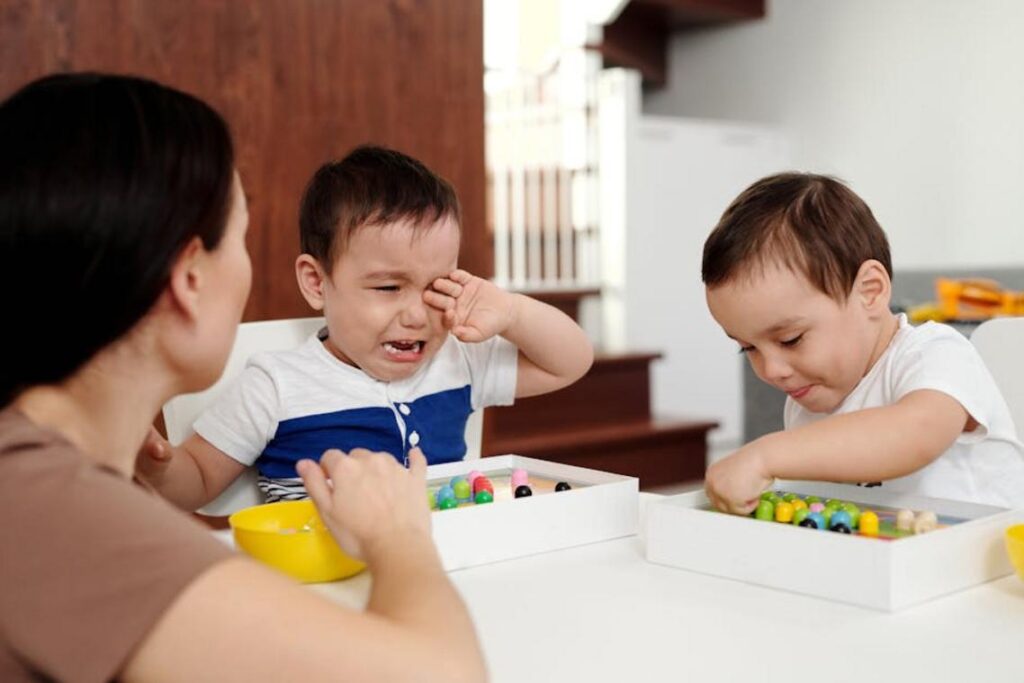
Before you can change behavior, you have to understand what’s driving it. Picture a toddler mid-tantrum: cheeks flushed, fists pounding the grocery cart, shrill cries echoing down aisle five while other shoppers pretend not to stare. It feels chaotic. But beneath the noise is a developing brain doing its best.
Book Recommendation 1: “The Whole-Brain Child”
This book explains how a child’s brain is structured, introducing the idea of the “Upstairs Brain” (logic, problem-solving, self-control) and the “Downstairs Brain” (big feelings, impulses, survival responses). When your child melts down because the blue cup is in the dishwasher, that’s the downstairs brain running the show. The insight is a game-changer: you’re not dealing with defiance; you’re witnessing development in progress. When you respond calmly—kneeling to their level, speaking softly—you’re helping wire connections upstairs. (Yes, even when you’re exhausted.)
Book Recommendation 2: “How to Talk So Kids Will Listen & Listen So Kids Will Talk”
If you’ve ever felt your words bounce off your child like rubber balls, this classic offers practical, script-like alternatives. Instead of barking orders, you describe what you see, offer choices, or acknowledge feelings. The shift is subtle but powerful. Cooperation often sounds quieter, softer—less like a battle drum, more like a steady rhythm.
Together, these parenting books on positive discipline reinforce one core principle: discipline means teaching, not punishing. When you see behavior as communication, everything changes. The noise softens. The tension eases. And connection becomes the foundation you build on.
Your Practical Toolkit: Books with Actionable Discipline Strategies
Once you understand the “why,” you need the HOW. Insight is powerful—but in the cereal aisle meltdown, you need something you can actually DO.
These recommendations are practical, travel-tested, and rooted in strategies that work in REAL LIFE.
Book Recommendation 3: No-Drama Discipline
This book introduces the “Connect and Redirect” method—a simple but transformative idea. First, you connect emotionally. Then, you redirect behavior.
In plain terms: calm the storm before teaching the lesson.
When your child is overwhelmed (think: airport delays, skipped naps, overstimulation), logic won’t land. Neurologically, they’re in fight-or-flight mode (meaning the brain’s alarm system is running the show). Connection—eye contact, a calm tone, a hand on their shoulder—signals safety. Only then can you address behavior.
Some critics argue this approach feels too “soft.” But research in interpersonal neurobiology shows emotional attunement improves long-term self-regulation (Siegel & Bryson). PRO TIP: Practice short connection scripts ahead of travel days so you’re not improvising under pressure.
Book Recommendation 4: Positive Discipline
If you want structure without shame, this is your manual. The key principle: be kind AND firm.
It emphasizes:
- Family meetings
- Natural consequences (letting outcomes teach lessons)
- Problem-solving collaboration
For example, if a child forgets their favorite toy at the hotel, you don’t lecture. You empathize—and let the experience teach responsibility. Some parents worry natural consequences feel harsh. But when delivered with empathy, they build resilience rather than resentment (Nelsen).
These strategies are foundational in many parenting books on positive discipline because they shift power struggles into life lessons.
Book Recommendation 5: Peaceful Parent Happy Kids
This guide flips the script: discipline starts with YOU.
Its three-step approach is clear:
- Regulate Yourself
- Foster Connection
- Coach, Not Control
Self-regulation means managing your own emotional triggers first (yes, even in traffic). Critics say this places too much burden on parents. But modeling calm behavior literally wires children’s brains for calm responses (Center on the Developing Child, Harvard University).
If you’re building your discipline library, start here—then explore more must read guides on raising resilient children: https://nitkatraveling.com/must-read-guides-on-raising-resilient-children/.
Connection isn’t permissiveness. It’s LEADERSHIP.
Navigating Specific Challenges: Guides for Toddlers, Tantrums, and Strong Wills
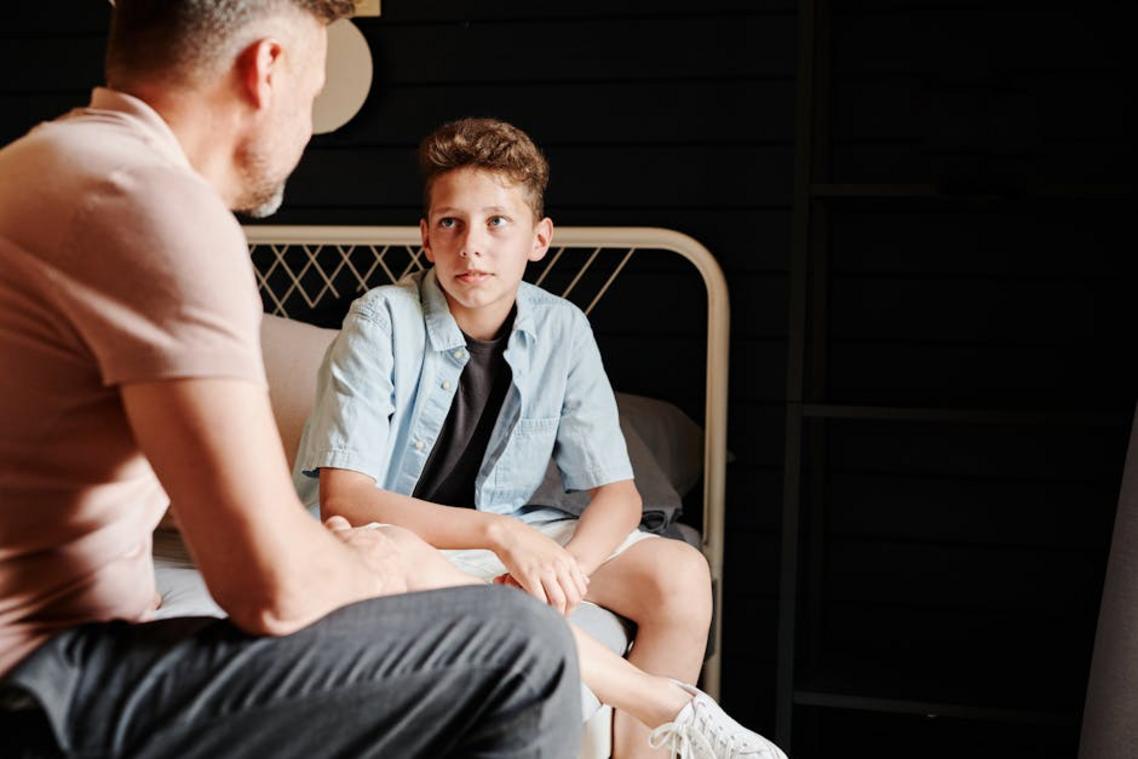
Parenting is not one-size-fits-all (if only it came with a universal instruction manual). The right tools depend on your child’s age, temperament, and environment—especially when you’re navigating new places or shifting routines.
For Toddlers & Preschoolers
Hunt, Gather, Parent introduces practical techniques drawn from traditional cultures where children naturally participate in daily life. One standout feature is the emphasis on inclusion over entertainment. Instead of distracting toddlers with constant stimulation, it encourages inviting them to help with real tasks—cooking, tidying, setting up camp, organizing a hotel room.
Key benefits include:
- Increased cooperation through shared responsibility
- Stronger emotional regulation by modeling calm behavior
- Greater confidence from meaningful contribution
Some critics argue that young children are too little to help effectively. But research in developmental psychology shows that even toddlers are capable of prosocial behavior when given structured opportunities (American Academy of Pediatrics). The trick is adjusting expectations—progress, not perfection. Pro tip: assign small, repeatable tasks to build routine fast.
For Strong-Willed Children
The Explosive Child centers on the Collaborative & Proactive Solutions (CPS) model, which replaces punishment-first discipline with structured problem-solving conversations. The defining principle—children behave well when they have the skills to do so—shifts the focus from defiance to skill gaps.
Core features:
- Identifying “lagging skills” behind meltdowns
- Planning solutions collaboratively
- Reducing recurring triggers before they escalate
While some believe strict consequences build resilience, studies suggest collaborative approaches reduce oppositional behavior long term (Journal of Clinical Child & Adolescent Psychology). If you’re exploring parenting books on positive discipline, this model offers a detailed, actionable framework that turns daily power struggles into teachable moments.
Your Family’s Next Chapter Starts Now
Now that you have a thoughtful reading list, it’s time to put it into action. Rather than skimming them all, start with the one that speaks directly to your biggest challenge. If mornings feel chaotic, begin there. If sibling tension is rising, focus on tools for conflict resolution.
To move forward with clarity:
- Pick one of the parenting books on positive discipline
- Set a realistic reading goal (10 minutes a day works)
- Practice one strategy at a time
- Reflect weekly on what’s improving
After all, lasting change isn’t about perfection (thank goodness). It’s about steady, intentional progress.
Keep Your Family Connected Wherever You Roam
Traveling with kids can feel overwhelming when routines fall apart, meltdowns happen in public, and you’re juggling logistics in unfamiliar places. You set out looking for practical ways to stay consistent, nurture your child’s development, and create a calm, connected family rhythm on the road. Now you have strategies to build flexible routines, respond to big emotions with confidence, and turn everyday travel moments into meaningful learning experiences.
The truth is, parenting doesn’t pause when you leave home. If anything, the challenges intensify. Long flights, new time zones, and unpredictable schedules can test your patience and your child’s resilience. But with the right tools and mindset, travel becomes an opportunity to strengthen trust, independence, and emotional security.
If you’re ready to make your next trip smoother and more connected, start applying these techniques today. Explore trusted resources like parenting books on positive discipline, implement simple travel-friendly routines, and stay consistent even when your surroundings change. Families who prioritize preparation and positive guidance experience fewer power struggles and more joyful adventures.
Don’t let stress define your journey. Take the next step—plan intentionally, pack wisely, and lead with calm confidence so your family can travel well, grow together, and create memories you’ll cherish for years to come.
 Child Development & Nomadic Lifestyle Advisor
There is a specific skill involved in explaining something clearly — one that is completely separate from actually knowing the subject. Madeleine Klecknerona has both. They has spent years working with helpful reads in a hands-on capacity, and an equal amount of time figuring out how to translate that experience into writing that people with different backgrounds can actually absorb and use.
Madeleine tends to approach complex subjects — Helpful Reads, Daily Parenting Highlights, Child Development Strategies being good examples — by starting with what the reader already knows, then building outward from there rather than dropping them in the deep end. It sounds like a small thing. In practice it makes a significant difference in whether someone finishes the article or abandons it halfway through. They is also good at knowing when to stop — a surprisingly underrated skill. Some writers bury useful information under so many caveats and qualifications that the point disappears. Madeleine knows where the point is and gets there without too many detours.
The practical effect of all this is that people who read Madeleine's work tend to come away actually capable of doing something with it. Not just vaguely informed — actually capable. For a writer working in helpful reads, that is probably the best possible outcome, and it's the standard Madeleine holds they's own work to.
Child Development & Nomadic Lifestyle Advisor
There is a specific skill involved in explaining something clearly — one that is completely separate from actually knowing the subject. Madeleine Klecknerona has both. They has spent years working with helpful reads in a hands-on capacity, and an equal amount of time figuring out how to translate that experience into writing that people with different backgrounds can actually absorb and use.
Madeleine tends to approach complex subjects — Helpful Reads, Daily Parenting Highlights, Child Development Strategies being good examples — by starting with what the reader already knows, then building outward from there rather than dropping them in the deep end. It sounds like a small thing. In practice it makes a significant difference in whether someone finishes the article or abandons it halfway through. They is also good at knowing when to stop — a surprisingly underrated skill. Some writers bury useful information under so many caveats and qualifications that the point disappears. Madeleine knows where the point is and gets there without too many detours.
The practical effect of all this is that people who read Madeleine's work tend to come away actually capable of doing something with it. Not just vaguely informed — actually capable. For a writer working in helpful reads, that is probably the best possible outcome, and it's the standard Madeleine holds they's own work to.