
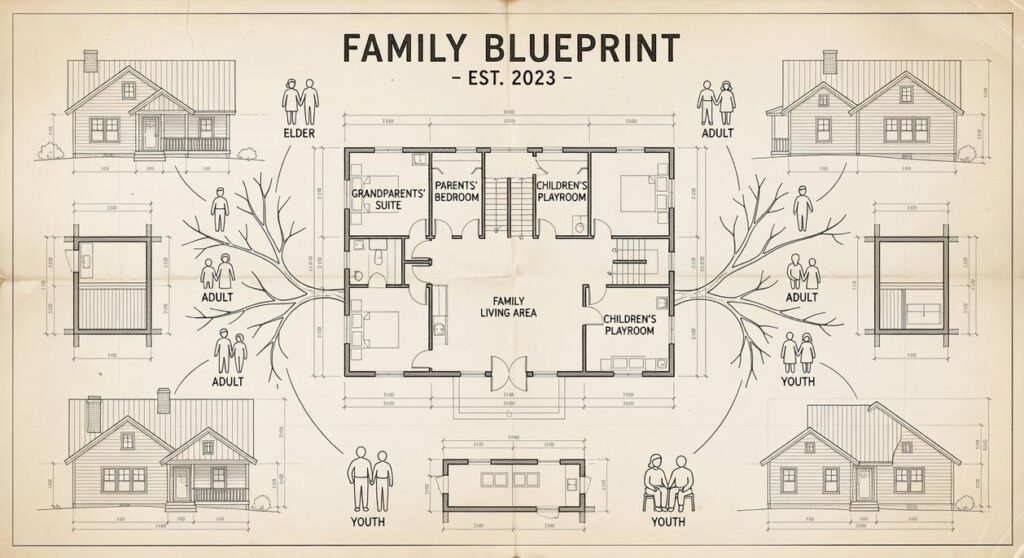
Traveling with children can feel overwhelming—balancing nap times, schoolwork, meals, and meltdowns while trying to enjoy new destinations isn’t easy. If you’re searching for practical, realistic advice on parenting while traveling, you’re in the right place. This article is designed to help you create smoother trips through smart preparation, adaptable routines, and proven child development strategies that work on the road.
We draw from real-world travel experience, evidence-based parenting principles, and insights from child development research to ensure the guidance you’ll find here is both trustworthy and actionable. From travel-friendly parenting basics to maintaining stability through family daily schedule planning, you’ll learn how to support your child’s growth while embracing a flexible, nomadic lifestyle.
Whether you’re planning a short getaway or long-term travel, this guide will show you how to build consistent routines, reduce stress, and create meaningful family experiences—without sacrificing structure or sanity.
The Power of Predictability: Why a Routine Matters
Children thrive on predictability because it makes their world feel safe. In psychology, predictability refers to the ability to anticipate what comes next. When kids know that breakfast follows waking up and bedtime follows bath time, their stress levels drop (American Academy of Pediatrics notes that consistent routines support emotional regulation). In other words, fewer surprises mean less anxiety—and fewer meltdowns in the cereal aisle.
For parents, the benefits are just as powerful. A structured day reduces decision fatigue—the mental exhaustion that comes from making too many choices (a concept popularized by psychologist Roy Baumeister). Instead of constantly improvising, you can rely on built-in flow. That means:
- Smoother mornings
- Fewer power struggles
- More intentional downtime
- Clear space for personal tasks or relaxation
However, routine doesn’t mean rigidity. A schedule is a strict timetable. A rhythm, by contrast, is a flexible flow. Think jazz, not military drill. The goal is consistency, not perfection.
Moreover, a core routine acts as an anchor during disruptions—travel, sick days, or holidays. Even maintaining small rituals (like the same bedtime story) preserves stability. When approaching family daily schedule planning, focus on repeatable anchors rather than minute-by-minute control.
Ultimately, what’s in it for you? Calmer kids. Calmer parents. And a home that feels steady—even when life isn’t.
Building Your Family’s Blueprint: A 4-Step Guide
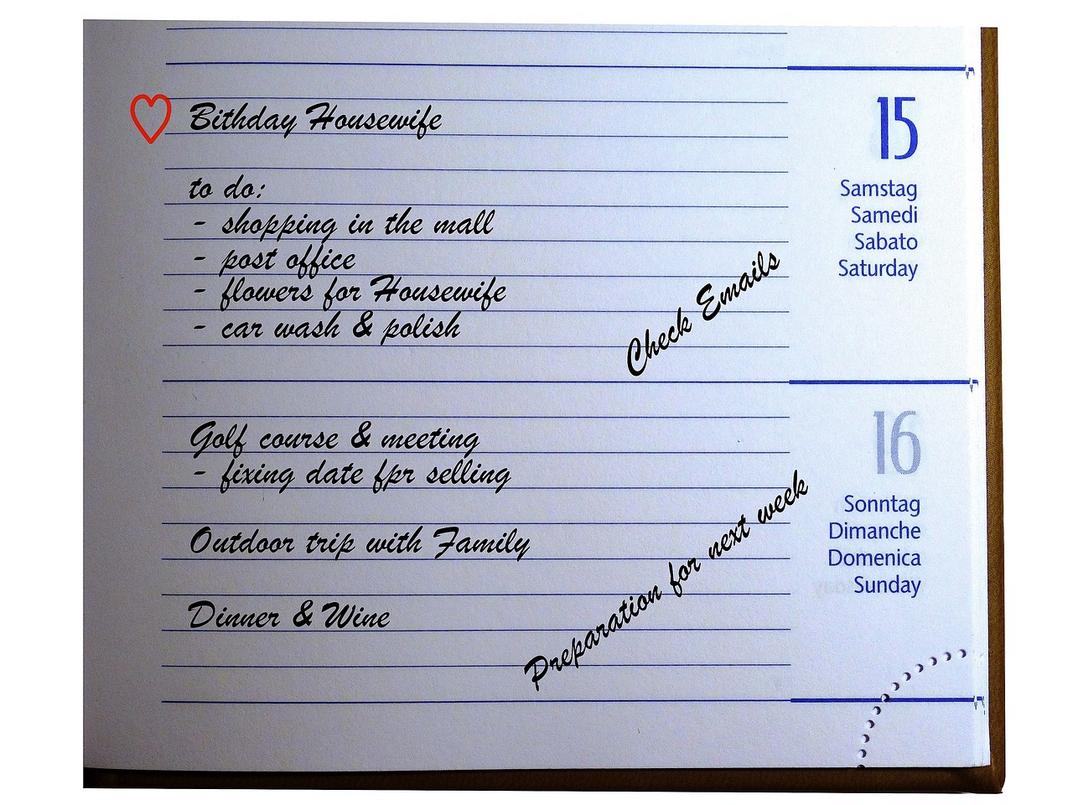
A solid routine doesn’t box your family in—it sets you free. Think of it like building a house: structure first, décor second. When it comes to family daily schedule planning, the difference between chaos and calm often comes down to clarity.
Step 1: Identify Your Anchor Points
Anchor points are the non-negotiables of your day—fixed moments like wake-up times, meals, school drop-offs, and bedtime. These are the pillars everything else rests on.
A vs. B:
- Without anchor points: Every morning feels improvised (and not in a fun jazz way).
- With anchor points: Everyone knows the rhythm, even when surprises pop up.
For example, if dinner is always at 6:30 p.m., activities naturally organize around it. According to the American Academy of Pediatrics, consistent routines support children’s emotional security and behavior regulation (AAP, 2018).
Step 2: Create Time Blocks
Time blocks group similar activities into flexible chunks—like “Morning Prep,” “Learning & Play,” “Quiet Time,” “Chore Power Hour,” and “Evening Wind-Down.”
Rigid hourly scheduling vs. flexible time blocks:
- Hourly: 3:00–3:30 homework, 3:30–4:00 snack (miss one thing and the day derails).
- Time blocks: Homework and snack happen within “Afternoon Focus.”
(Pro tip: Keep blocks 60–120 minutes for younger kids to match natural attention spans.)
Step 3: Hold a Family Meeting
Involvement builds ownership. Let kids choose between vacuuming or dishes, park time or craft hour.
Top-down planning says, “Because I said so.” Collaborative planning says, “You’re part of this team.” Guess which one gets less pushback?
Step 4: Make It Visible
Use a whiteboard, chalkboard, or laminated chart. For pre-readers, add pictures.
Invisible expectations create constant reminders. Visible schedules create independence. (And fewer repeat instructions—music to any parent’s ears.)
Smart Strategies for a Smoother Flow
A smoother day doesn’t happen by accident. It’s built with small, repeatable systems that reduce stress before it starts.
1. Task Batching for Sanity
Task batching means grouping similar tasks into short, focused blocks instead of scattering them all day. For example:
- 20 minutes of meal prep after breakfast
- 10 minutes of email replies during quiet time
- One evening tidy-up sweep
This prevents chores from “leaking” into family time (because somehow dishes multiply when you’re not looking).
2. Use Timers for Transitions
Timers create clear boundaries. Try:
- “5 more minutes of play” warning
- “10-minute tidy-up challenge” with music
Kids respond better when they can see time passing. It reduces power struggles and builds independence.
3. The When/Then Technique
This positive framing connects responsibility to reward.
“When your toys are put away, then we can start our movie.”
Clear cause and effect. No arguing required.
4. Prepare the Night Before
Spend 15 minutes on lunches, clothes, and calendar checks. This single habit transforms mornings.
Pro tip: Combine these strategies with intentional family daily schedule planning to keep routines predictable—even on busy days.
Staying Flexible means accepting that life will interrupt even the best plans. Sick days, surprise appointments, toddler meltdowns—they happen. Instead of chasing perfection, treat your routine like GPS recalculating after a wrong turn. The goal isn’t control; it’s returning to rhythm.
Start with a “bare minimum” routine: three or four anchors like meals, naps, and a bedtime story. On chaotic days, keep those steady and let the rest slide.
Then, practice the reset. Say, “Okay, let’s reset,” and jump into the next block. With thoughtful family daily schedule planning, flexibility becomes your superpower (very Avengers-style) on even the toughest days.
As you navigate the challenges of implementing a realistic daily parenting schedule, it’s also helpful to have strategies in place for those unexpected moments, like travel delays, where having a plan for keeping kids entertained can make all the difference – for more details, check out our How to Keep Kids Entertained During Travel Delays.
Keep Your Family Grounded Wherever You Roam
Traveling with kids can feel overwhelming. New time zones, unpredictable routines, and constant movement can quickly turn an exciting trip into a stressful experience. You came here looking for practical ways to create stability on the road—and now you have the tools to make that happen.
By focusing on family daily schedule planning, building flexible routines, and supporting your child’s development through consistency and connection, you’re not just surviving travel—you’re creating a thriving nomadic lifestyle. Structure doesn’t limit adventure; it makes it sustainable.
The biggest pain point for traveling families isn’t the destination—it’s the chaos that comes from a lack of rhythm. When kids are overtired, off-schedule, or overwhelmed, everyone feels it. A clear, adaptable plan is what keeps meltdowns low and memories high.
Now it’s time to take action. Start mapping out your next travel week with a simple, repeatable routine. Choose anchor points for meals, rest, and connection time. Test it, adjust it, and commit to consistency.
Thousands of traveling parents rely on proven, travel-tested strategies to keep their families balanced on the move. If you’re ready to turn stressful trips into smooth, meaningful adventures, put these systems into practice today and build a routine your family can rely on—no matter where you land next.
 Child Development & Nomadic Lifestyle Advisor
There is a specific skill involved in explaining something clearly — one that is completely separate from actually knowing the subject. Madeleine Klecknerona has both. They has spent years working with helpful reads in a hands-on capacity, and an equal amount of time figuring out how to translate that experience into writing that people with different backgrounds can actually absorb and use.
Madeleine tends to approach complex subjects — Helpful Reads, Daily Parenting Highlights, Child Development Strategies being good examples — by starting with what the reader already knows, then building outward from there rather than dropping them in the deep end. It sounds like a small thing. In practice it makes a significant difference in whether someone finishes the article or abandons it halfway through. They is also good at knowing when to stop — a surprisingly underrated skill. Some writers bury useful information under so many caveats and qualifications that the point disappears. Madeleine knows where the point is and gets there without too many detours.
The practical effect of all this is that people who read Madeleine's work tend to come away actually capable of doing something with it. Not just vaguely informed — actually capable. For a writer working in helpful reads, that is probably the best possible outcome, and it's the standard Madeleine holds they's own work to.
Child Development & Nomadic Lifestyle Advisor
There is a specific skill involved in explaining something clearly — one that is completely separate from actually knowing the subject. Madeleine Klecknerona has both. They has spent years working with helpful reads in a hands-on capacity, and an equal amount of time figuring out how to translate that experience into writing that people with different backgrounds can actually absorb and use.
Madeleine tends to approach complex subjects — Helpful Reads, Daily Parenting Highlights, Child Development Strategies being good examples — by starting with what the reader already knows, then building outward from there rather than dropping them in the deep end. It sounds like a small thing. In practice it makes a significant difference in whether someone finishes the article or abandons it halfway through. They is also good at knowing when to stop — a surprisingly underrated skill. Some writers bury useful information under so many caveats and qualifications that the point disappears. Madeleine knows where the point is and gets there without too many detours.
The practical effect of all this is that people who read Madeleine's work tend to come away actually capable of doing something with it. Not just vaguely informed — actually capable. For a writer working in helpful reads, that is probably the best possible outcome, and it's the standard Madeleine holds they's own work to.